10-year-old Texas boy invents device to prevent death in overheated cars

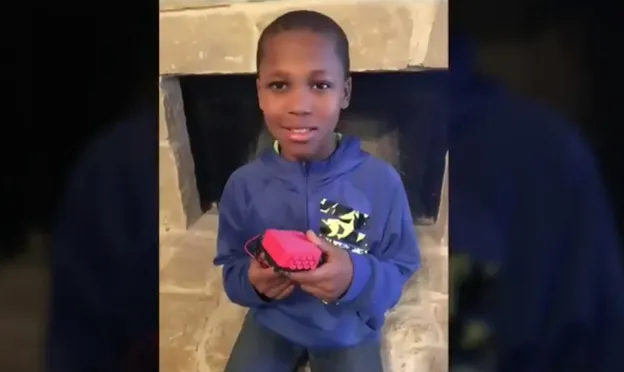
Inspired by a tragedy, Bishop Curry V hopes that his new invention, the Oasis, saves the lives of kids like him.
In 2016, an estimated 39 children in the United States died of heat stroke after being left in hot cars, including one infant who lived near Curry, 10, in McKinney, Texas. This stuck with Curry, and he decided to try to come up with a solution. The Oasis is a fan that attaches to a car seat and can tell when a car is not moving and if there is a child in the seat. If there is a child buckled in and the temperature in the car reaches a dangerous level, the Oasis will begin to blow cold air and send a message to the parents. If they fail to respond, police and paramedics are called. "It would be a dream to have lots of inventions that would save many lives," Curry told NBC5.
The Week
Escape your echo chamber. Get the facts behind the news, plus analysis from multiple perspectives.

Sign up for The Week's Free Newsletters
Join more than 350,000 subscribers and keep yourself informed with a selection of The Week’s most interesting, enlightening and entertaining stories - plus daily puzzles.
Join more than 350,000 subscribers and keep yourself informed with a selection of The Week’s most interesting, enlightening and entertaining stories - plus daily puzzles.


-
-
 talking pointsAfter Pike disaster, is it time to rethink death penalty?
 -
 QUOTE OF THE DAY‘What it actually means in the American context is you want to replace American workers with foreign workers and you want boys to play in girls’ sports.’
 -
 the explainerJustice Dept. launches largest-ever effort to strip citizenship
-
-
-
talking pointsAfter Pike disaster, is it time to rethink death penalty?
-
QUOTE OF THE DAY‘What it actually means in the American context is you want to replace American workers with foreign workers and you want boys to play in girls’ sports.’
-
the explainerJustice Dept. launches largest-ever effort to strip citizenship
-