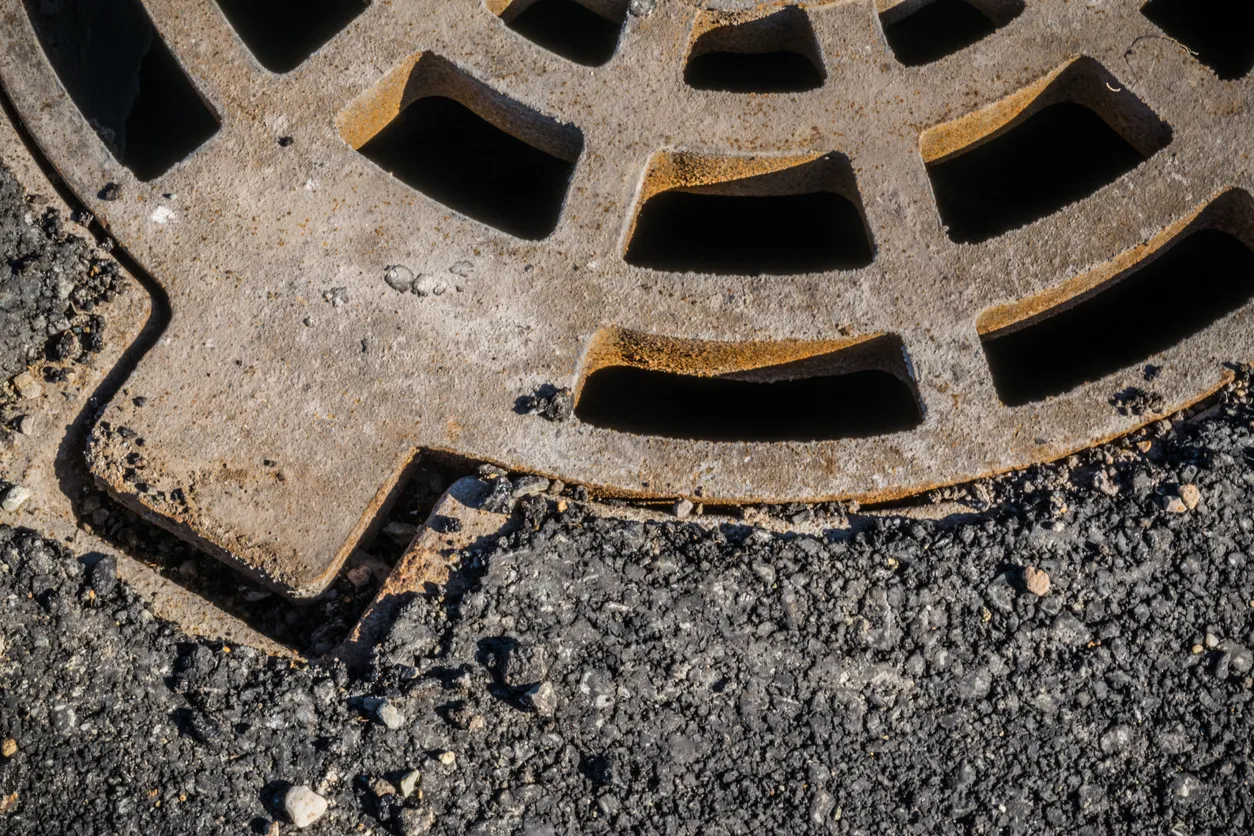
One biotech company thinks a city's most useful secrets live down in the sewers.
Biobot Analytics, a Massachusetts firm, wants to use water-sampling robots to track wastewater and find patterns in a city's opioid usage, Stat reported Tuesday.
Some U.S. cities have been caught off-guard by rising drug use in their communities, researchers point out, so it could be useful to have a "collective urine and stool sample" to keep tabs on public health and evaluate the efficacy of substance abuse programs and treatments.
The Week
Escape your echo chamber. Get the facts behind the news, plus analysis from multiple perspectives.
SUBSCRIBE & SAVE
Sign up for The Week's Free Newsletters
Join more than 350,000 subscribers and keep yourself informed with a selection of The Week’s most interesting, enlightening and entertaining stories - plus daily puzzles.
Join more than 350,000 subscribers and keep yourself informed with a selection of The Week’s most interesting, enlightening and entertaining stories - plus daily puzzles.
Latest Videos FromThe Week US
The company is launching a pilot program in Cary, North Carolina, a quiet town where officials were shocked by a sudden 70 percent increase in opioid overdoses last year. Biobot will soon install robots to pump wastewater through filters to extract dissolved chemicals for analysis, reports Stat. Scientists will analyze the samples every two weeks to get a picture of drug use in Cary over time.
The practice is controversial, however, because cities are worried about the stigma around drug use. Researchers wouldn't be able to identify drug use within individual homes or people, but the city would still be able to track everybody's waste without the chance for residents to opt out. Others point out that many European cities already use similar testing, and say it helps raise understanding and collect better information. Read more at Stat.