The Americas, Western Europe were just treated to a rare super blood wolf moon eclipse. Here's how it looked.

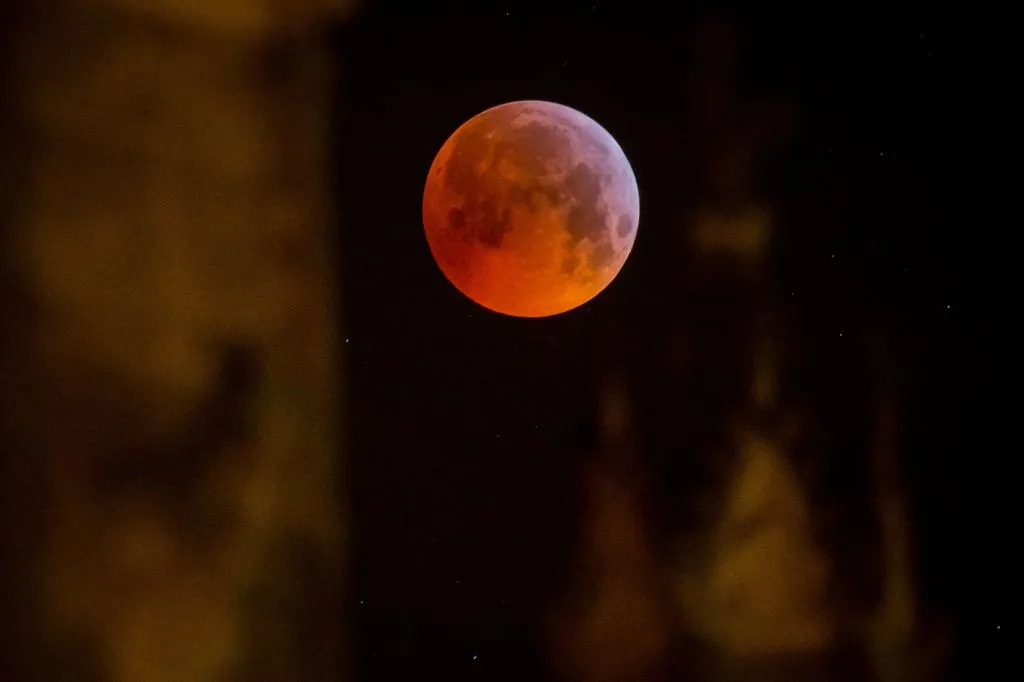
On Sunday night and early Monday, North and South America witnessed the only total lunar eclipse until 2021, and it had the added bonus of being a so-called supermoon, where the moon appears bigger and brighter than normal due to the Earth's position. If you were asleep or had overcast weather, here's what you missed.
The Week
Escape your echo chamber. Get the facts behind the news, plus analysis from multiple perspectives.

Sign up for The Week's Free Newsletters
Join more than 350,000 subscribers and keep yourself informed with a selection of The Week’s most interesting, enlightening and entertaining stories - plus daily puzzles.
Join more than 350,000 subscribers and keep yourself informed with a selection of The Week’s most interesting, enlightening and entertaining stories - plus daily puzzles.