10 states sue to stop T-Mobile and Sprint merger

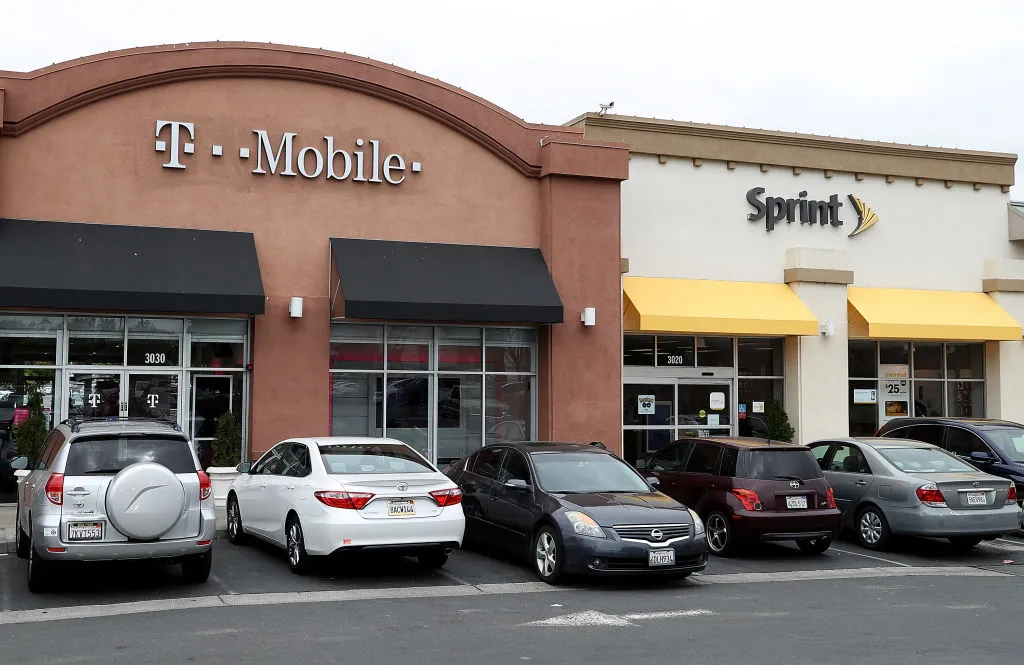
Ten state attorneys general on Tuesday sued to block the merger of T-Mobile and Sprint, saying the $26 billion deal would result in consumers paying more for their wireless phone plans, with low-income and minority customers hit the hardest.
This is "exactly the sort of consumer-harming, job-killing mega merger our antitrust laws were designed to prevent," New York Attorney General Letitia James (D) said. T-Mobile, the third-largest wireless company in the U.S., and Sprint, which follows in the No. 4 spot, announced the proposed merger in April 2018, and said the goal was to get the deal approved by July 2019.
The Week
Escape your echo chamber. Get the facts behind the news, plus analysis from multiple perspectives.

Sign up for The Week's Free Newsletters
Join more than 350,000 subscribers and keep yourself informed with a selection of The Week’s most interesting, enlightening and entertaining stories - plus daily puzzles.
Join more than 350,000 subscribers and keep yourself informed with a selection of The Week’s most interesting, enlightening and entertaining stories - plus daily puzzles.


