Program ended by Trump administration last year helped labs detect viruses that could turn into pandemics
In September, the Trump administration ended a $200 million pandemic early-warning program called PREDICT that trained scientists in laboratories around the world on how to find and respond to viruses that could spread from wild animals to humans.
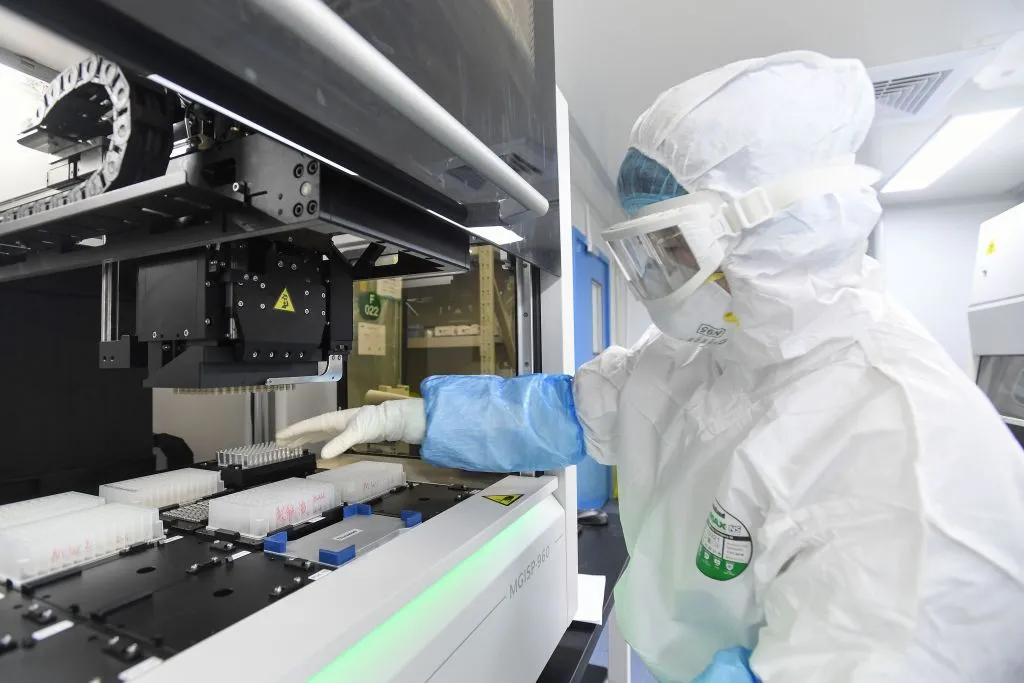
The program was launched by the U.S. Agency for International Development (USAID) in 2009, in response to the 2005 global spread of the H5N1 bird flu. Epidemiologists and wildlife veterinarians studied interactions between animals and humans, and over the course of the project they identified 1,200 viruses that had the ability to turn into pandemics, including more than 160 novel coronaviruses. Nearly 7,000 people in 30 countries were trained through PREDICT, including employees of the Wuhan Institute of Virology in China. That lab went on to identify SARS-CoV-2, the novel coronavirus that causes COVID-19.
Jonna Mazet, PREDICT's former global director, told the Los Angeles Times it was clear from the research that "coronaviruses were jumping easily across species lines and were ones to watch for epidemics and pandemics." As the COVID-19 pandemic began to grow, scientists in Rwanda who were trained by PREDICT immediately called for social distancing in the country, and Mazet said "what we were doing has changed the outcomes for a lot of countries, but unfortunately not our own."
The Week
Escape your echo chamber. Get the facts behind the news, plus analysis from multiple perspectives.
Sign up for The Week's Free Newsletters
From our morning news briefing to a weekly Good News Newsletter, get the best of The Week delivered directly to your inbox.
PREDICT was funded twice, each time for five years, and although it ended in September, USAID on Wednesday granted an emergency extension to the program; experts will spend the next six months assisting foreign labs working to combat COVID-19. USAID is set to unveil a new initiative in August to stop viruses from moving from animals to humans, a spokesman told the Times, adding that PREDICT was "just one component of USAID's global health security efforts and accounted for less than 20 percent of our global health security funding." Read more about PREDICT's efforts at the Los Angeles Times.
A free daily email with the biggest news stories of the day – and the best features from TheWeek.com
Catherine Garcia has worked as a senior writer at The Week since 2014. Her writing and reporting have appeared in Entertainment Weekly, The New York Times, Wirecutter, NBC News and "The Book of Jezebel," among others. She's a graduate of the University of Redlands and the Columbia University Graduate School of Journalism.
-
Senate votes down ACA subsidies, GOP alternativeSpeed Read The Senate rejected the extension of Affordable Care Act tax credits, guaranteeing a steep rise in health care costs for millions of Americans
-
Abrego García freed from jail on judge’s orderSpeed Read The wrongfully deported man has been released from an ICE detention center
-
Indiana Senate rejects Trump’s gerrymander pushSpeed Read The proposed gerrymander would have likely flipped the state’s two Democratic-held US House seats
-
Democrat files to impeach RFK Jr.Speed Read Rep. Haley Stevens filed articles of impeachment against Health and Human Services Secretary Robert F. Kennedy Jr.
-
$1M ‘Trump Gold Card’ goes live amid travel rule furorSpeed Read The new gold card visa offers an expedited path to citizenship in exchange for $1 million
-
US seizes oil tanker off VenezuelaSpeed Read The seizure was a significant escalation in the pressure campaign against Venezuelan President Nicolás Maduro
-
Judge orders release of Ghislaine Maxwell recordsSpeed Read The grand jury records from the 2019 prosecution of convicted sex offender Jeffrey Epstein will be made public
-
Miami elects first Democratic mayor in 28 yearsSpeed Read Eileen Higgins, Miami’s first woman mayor, focused on affordability and Trump’s immigration crackdown in her campaign