Twitter slaps 'glorifying violence' warning on Trump's 'when the looting starts, the shooting starts' tweet

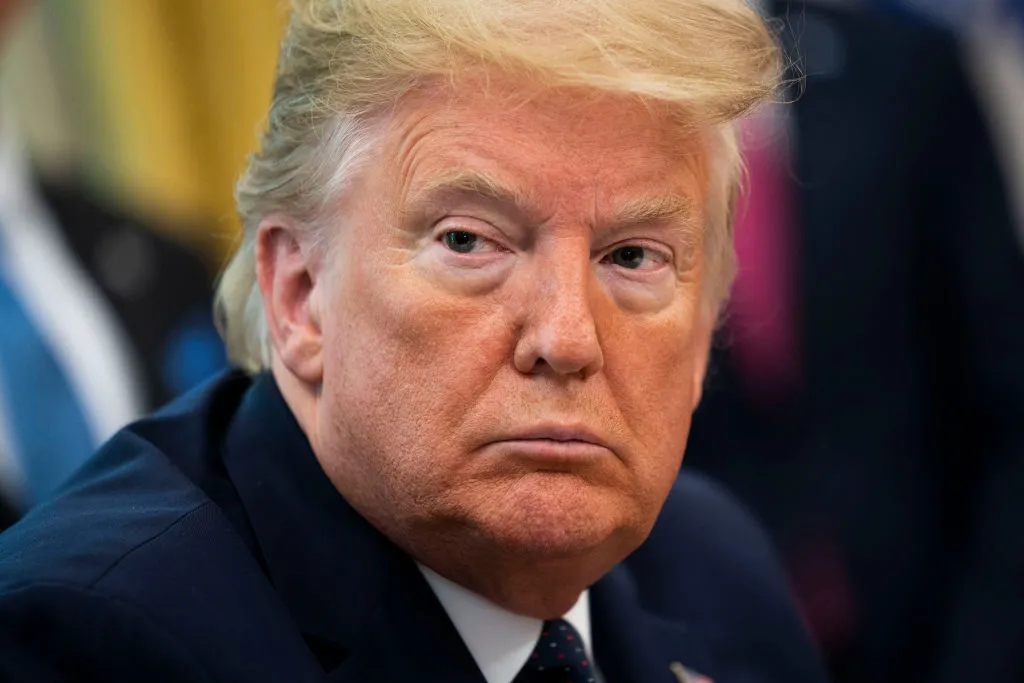
You can still read President Trump's early-Friday tweet about sending the National Guard into Minneapolis if you go to his Twitter feed, but you now have to take an extra step to read the follow-up tweet threatening: "When the looting starts, the shooting starts." That's because Twitter replaced it with this note: "This tweet violated the Twitter Rules about glorifying violence. However, Twitter has determined that it may be in the public's interest for the tweet to remain accessible." You can click the warning to read the tweet.

The Week
Escape your echo chamber. Get the facts behind the news, plus analysis from multiple perspectives.

Sign up for The Week's Free Newsletters
Join more than 350,000 subscribers and keep yourself informed with a selection of The Week’s most interesting, enlightening and entertaining stories - plus daily puzzles.
Join more than 350,000 subscribers and keep yourself informed with a selection of The Week’s most interesting, enlightening and entertaining stories - plus daily puzzles.


