Minneapolis Fed president says normally tight-lipped central bank has a 'responsibility to speak up' about racism

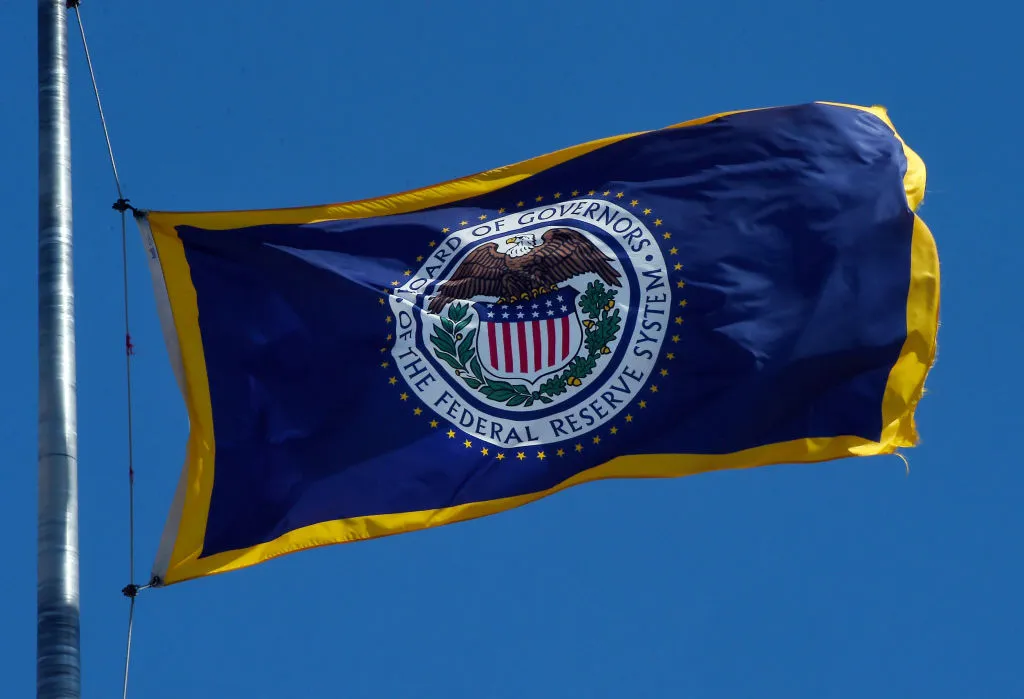
The Federal Reserve normally refrains from commenting on social issues, but Neel Kashkari, the president of the Fed's Minneapolis bank, broke the mold when he addressed on Twitter the plight of institutional racism in the United States following the killing of George Floyd in his hometown.
In an interview with The New York Times, Kashkari indicated that wouldn't be the last time he or other employees of the central bank speak out on certain issues. He still doesn't believe the Fed should weigh in on partisan political matters, like choosing sides between Republicans and Democrats, but when it comes to larger societal problems like police brutality and systemic racism, he thinks "it's totally appropriate for us to weigh in."
The Week
Escape your echo chamber. Get the facts behind the news, plus analysis from multiple perspectives.

Sign up for The Week's Free Newsletters
Join more than 350,000 subscribers and keep yourself informed with a selection of The Week’s most interesting, enlightening and entertaining stories - plus daily puzzles.
Join more than 350,000 subscribers and keep yourself informed with a selection of The Week’s most interesting, enlightening and entertaining stories - plus daily puzzles.