U.K. Supreme Court rules Uber drivers are 'workers' entitled to minimum wage, benefits
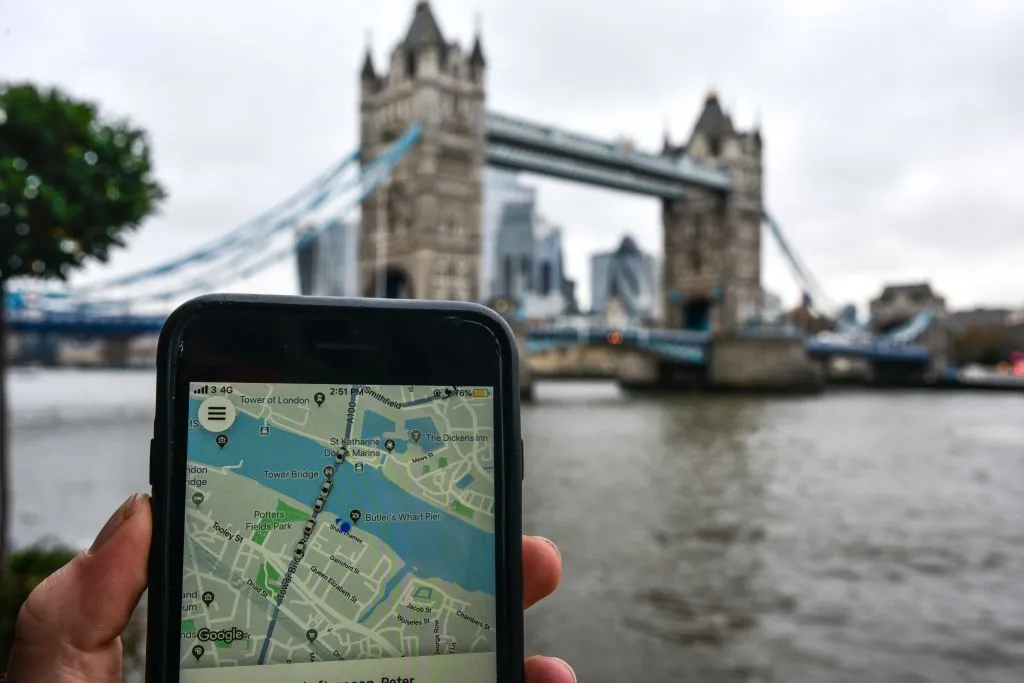
Britain's Supreme Court ruled unanimously Friday that drivers for the ride-hailing service Uber are company "workers," not independent contractors, and are therefore entitled to the national minimum wage, paid annual leave, and other benefits. The court also agreed with lower courts that Uber drivers are on the clock when they are logged in to the app, ready to accept passengers, not — as Uber had argued — only when they are actually driving people to their destination.
Uber has 65,000 active drivers in the U.K., The Associated Press reports, and the ruling threatens to upend its entire business model in the country. "Questions still remain about how the new classification will work, and how it affects gig economy workers who work not only for Uber, but also for other competing apps," BBC News reports. This was Uber's final appeal, after losing in three lower tribunals starting in 2016.
"I think it's a massive achievement in a way that we were able to stand up against a giant," said Yaseen Aslam, president of the App Drivers & Couriers Union (ADCU) and one of the original plaintiffs in the case. Another original litigant, ADCU general secretary James Farrar, called the ruling "a win-win-win for drivers, passengers and cities," because "Uber now has the correct economic incentives not to oversupply the market with too many vehicles and too many drivers." Uber shares were down more than 3 percent in premarket trading in New York, AP notes.
The Week
Escape your echo chamber. Get the facts behind the news, plus analysis from multiple perspectives.
Sign up for The Week's Free Newsletters
From our morning news briefing to a weekly Good News Newsletter, get the best of The Week delivered directly to your inbox.
A free daily email with the biggest news stories of the day – and the best features from TheWeek.com
Peter has worked as a news and culture writer and editor at The Week since the site's launch in 2008. He covers politics, world affairs, religion and cultural currents. His journalism career began as a copy editor at a financial newswire and has included editorial positions at The New York Times Magazine, Facts on File, and Oregon State University.
-
‘Let 2026 be a year of reckoning’Instant Opinion Opinion, comment and editorials of the day
-
Why is Iran facing its biggest protests in years?TODAY’S BIG QUESTION Iranians are taking to the streets as a growing movement of civic unrest threatens a fragile stability
-
How prediction markets have spread to politicsThe explainer Everything’s a gamble
-
TikTok secures deal to remain in USSpeed Read ByteDance will form a US version of the popular video-sharing platform
-
Unemployment rate ticks up amid fall job lossesSpeed Read Data released by the Commerce Department indicates ‘one of the weakest American labor markets in years’
-
US mints final penny after 232-year runSpeed Read Production of the one-cent coin has ended
-
Warner Bros. explores sale amid Paramount bidsSpeed Read The media giant, home to HBO and DC Studios, has received interest from multiple buying parties
-
Gold tops $4K per ounce, signaling financial uneaseSpeed Read Investors are worried about President Donald Trump’s trade war
-
Electronic Arts to go private in record $55B dealspeed read The video game giant is behind ‘The Sims’ and ‘Madden NFL’
-
New York court tosses Trump's $500M fraud fineSpeed Read A divided appeals court threw out a hefty penalty against President Trump for fraudulently inflating his wealth
-
Trump said to seek government stake in IntelSpeed Read The president and Intel CEO Lip-Bu Tan reportedly discussed the proposal at a recent meeting