Elon Musk’s pivot from Mars to the moon
SpaceX shifts focus with IPO approaching


Elon Musk has long had a passion for Mars. The moon? It's a diversion. But that plan has now shifted.
SpaceX will “prioritize going to the moon first,” said The Wall Street Journal. Just last year, the world’s richest man called the prospect of a moon landing a “distraction.” The company was aiming to go “straight to Mars,” with plans to send five Starship-class rockets to the red planet in 2026, he said. Now, SpaceX is focused instead on putting a lander on the moon by March 2027.
The company will be “hard-pressed” to meet that deadline, said the Journal. Two factors in the pivot: pressure from NASA and competition from Jeff Bezos’ rocket company, Blue Origin. The American space agency plans a “lunar fly-by” on Artemis II this spring, setting the stage for a “potential astronaut moon landing in 2028 with SpaceX or Blue Origin.”
The Week
Escape your echo chamber. Get the facts behind the news, plus analysis from multiple perspectives.

Sign up for The Week's Free Newsletters
From our morning news briefing to a weekly Good News Newsletter, get the best of The Week delivered directly to your inbox.
From our morning news briefing to a weekly Good News Newsletter, get the best of The Week delivered directly to your inbox.
Why did Musk want to go to Mars?
A Mars mission has been Musk’s “guiding goal” since SpaceX was founded in 2002, said CNN. The billionaire frequently argued that a “permanent human presence” on the planet was vital for “ensuring a colony of humans can survive a potential apocalypse” on Earth. That ambition sounded like a move out of a science fiction novel. Establishing a Mars colony would take “upwards of one million people and millions of tons of cargo” and up to 10 rocket launches a day, SpaceX said on its website. The objective is to make humanity “multiplanetary.”
Why switch to the moon?
“It’s all about speed,” said Space.com (a sister site of The Week). SpaceX is now focused on “building a self-growing city on the moon,” Musk said on X. That goal could be achieved in “less than 10 years,” whereas colonizing Mars would “take 20-plus years.”
The pivot may also “cover up” the plain truth that Musk “simply is not delivering on his Red Planet promises,” Ellyn Lapointe said at Gizmodo. The tech billionaire in 2020 claimed SpaceX might be able to land humans on Mars by 2026. With that goal now unreachable, it makes sense for the company to “align its strategic vision” with NASA’s aim of putting people back on the moon by 2030.
How does this affect Musk's businesses?
The decision to focus on the moon comes as SpaceX’s initial public offering “fast approaches,” said Yahoo Finance. Potential investors in the company will probably be more focused on “money-making ventures” like SpaceX’s rocket launching business, the Starlink internet service and the potential of putting AI data centers in orbit. Spending billions of dollars on Mars without the prospect of near-term profit could be “too far a stretch” for potential stockholders.
What next?
The moon pivot is a “bitter pill to swallow" for Mars hopefuls, said Eric Berger at Ars Technica. But it’s a realistic one. Landing on the moon “may be hard," but history has already proven it’s doable. Plus, the moon will be a “lot easier to develop than Mars.”

-
 Are Big Tech firms the new tobacco companies?
Today’s Big Question Trial will determine if Meta, YouTube designed addictive products
-
 El Paso airspace closure tied to FAA-Pentagon standoff
Speed Read The closure in the Texas border city stemmed from disagreements between the Federal Aviation Administration and Pentagon officials over drone-related tests
-
 Political cartoons for February 12
Cartoons Thursday's political cartoons include a Pam Bondi performance, Ghislaine Maxwell on tour, and ICE detention facilities


-
 Moltbook: the AI social media platform with no humans allowed
The Explainer From ‘gripes’ about human programmers to creating new religions, the new AI-only network could bring us closer to the point of ‘singularity’
-
 Will regulators put a stop to Grok’s deepfake porn images of real people?
Today’s Big Question Users command AI chatbot to undress pictures of women and children
-
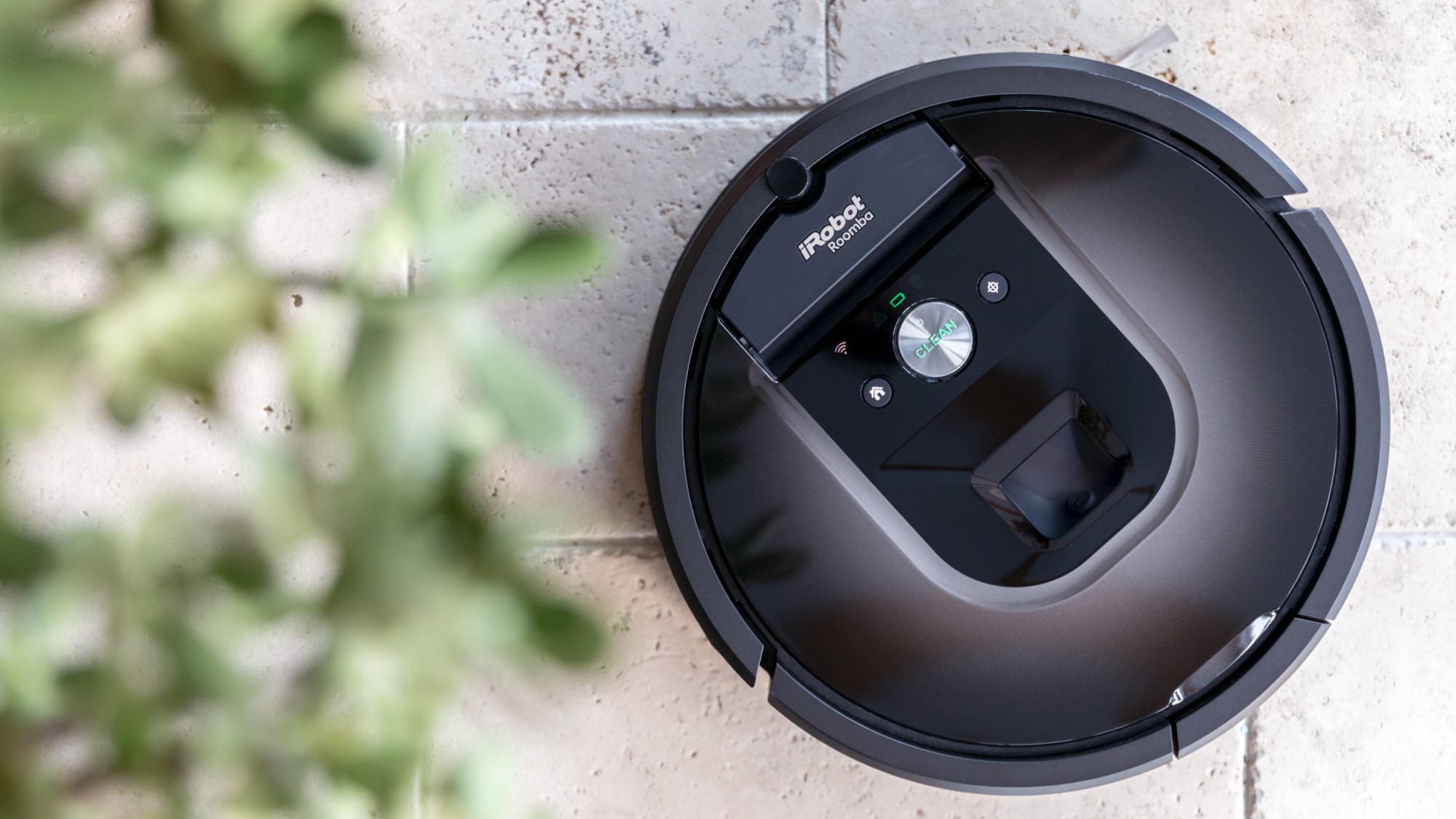 What is Roomba’s legacy after iRobot bankruptcy?
In the Spotlight Tariffs and cheaper rivals have displaced the innovative robot company
-
 Inside a Black community’s fight against Elon Musk’s supercomputer
Under the radar Pollution from Colossal looms over a small Southern town, potentially exacerbating health concerns
-
 Border Patrol may be tracking drivers with secret cameras
In the Spotlight The cameras are reportedly hidden in objects like traffic safety cones
-
 X update unveils foreign MAGA boosters
Speed Read The accounts were located in Russia and Nigeria, among other countries
-
 Digital addiction: the compulsion to stay online
In depth What it is and how to stop it
-
 Grok brings to light wider AI antisemitism
In the Spotlight Google and OpenAI are among the other creators who have faced problems


