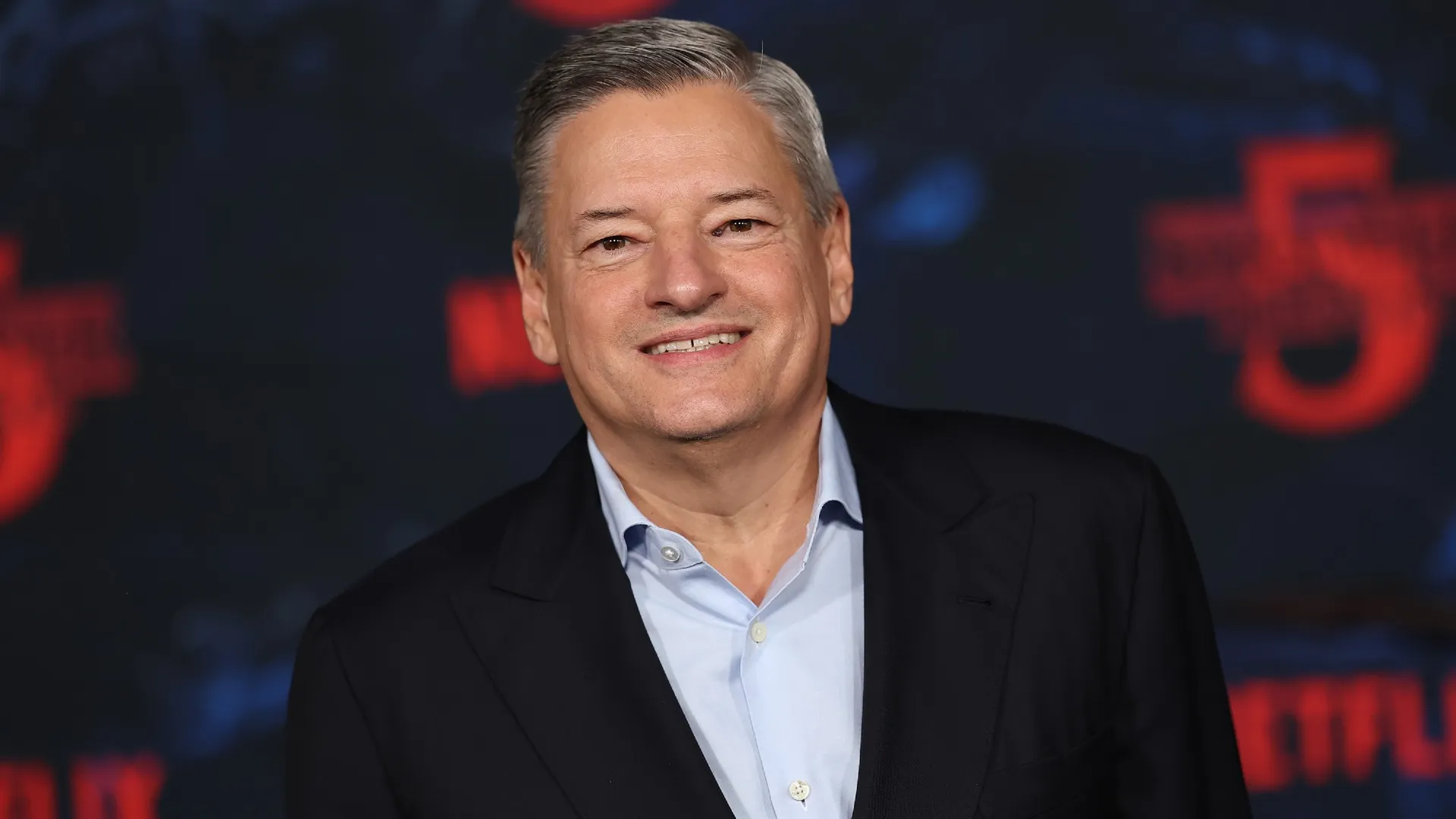
Netflix’s $72 billion deal to take control of Warner Bros Discovery (WBD) could put the streaming giant one step closer to its own Hollywood ending – that of a Best Picture Oscar win – but at what cost to the quality and variety of tinseltown’s output?
As part of the takeover Netflix will acquire the studio’s catalogue and HBO, along with other properties like CNN and the Discovery+ streaming service, which will become part of Discovery Global, a separate company. WBD retains one of the most popular and successful TV and film libraries in the world, including the “Harry Potter” franchise, the DC Universe (including Batman films) and “Game of Thrones”.
WBD has “hailed the deal as a new chapter for the over 100-year-old studio”, said The Telegraph, but “in reality it signals the company’s failure to adapt to the digital age”. The streamer’s “shock victory” represents a “major reshaping of the US media landscape”, where traditional studios are being picked off by the “tech bros”.
The Week
Escape your echo chamber. Get the facts behind the news, plus analysis from multiple perspectives.
SUBSCRIBE & SAVE
Sign up for The Week's Free Newsletters
Join more than 350,000 subscribers and keep yourself informed with a selection of The Week’s most interesting, enlightening and entertaining stories - plus daily puzzles.
Join more than 350,000 subscribers and keep yourself informed with a selection of The Week’s most interesting, enlightening and entertaining stories - plus daily puzzles.
Latest Videos FromThe Week US
‘Silicon Valley’s grasp’
With the fall of WBD, which has been through multiple deals and mergers, only Disney and Universal of the major studios have eluded “Silicon Valley’s grasp”.
The appeal of WBD to Netflix is clear, said The New York Times. HBO, in particular, represents something that Netflix craves: “prestige”. The company has been “piling up Emmys” with global smashes such as “Succession”, “The White Lotus” and “Euphoria”. Even with a “significantly smaller budget and far fewer programmes”, the consistent quality of HBO’s television shows is something that Netflix has “struggled to match”.
Netflix was not the “obvious frontrunner” in the bidding war for WBD, but, if approved, the deal would represent the “zenith” of its “evolution into a Hollywood kingmaker”, said the Financial Times. Just a few weeks ago, WBD chief executive David Zaslav looked set to be “dethroned” by David Ellison, who began making bids in September, with the “ink barely dried” on his Skydance Media’s $8 billion takeover of Paramount.
For a long time, the deal was “Ellison’s to lose”. His “voracious appetite” was bolstered by investment from Apollo and Saudi Arabia, and supported by his billionaire father, Larry Ellison, and even US President Donald Trump.
But Netflix’s “fully-formed offer”, which was “fully executable” immediately, appeared to seal the deal, sweetened by the possibility of Zaslav staying on – a “luxury he would not have been afforded under the Paramount deal”.
Likely to ‘bring about another culture clash’
Ultimately, “tech has swallowed up American entertainment for good”, said Slate. MGM has been acquired by Amazon, Disney is a “giant bundle of streamers”, not to mention YouTube wielding “enough clout to shake down older TV giants”.
This could signal a major decline in quality, as the potential monopoly expands. “Prestige titles” could give way to “generic background viewing”, as high-level creativity reduces to “slop factories”. Now that it has taken over WBD, Netflix will “denigrate” its quality, while “swallowing up another formidable competitor. Congrats to us all.”
This deal will “reshape the business, end the streaming wars” and “likely bring another culture clash”, said Deadline. Ever since its inception, Netflix has “disrupted” the film industry by “changing viewing habits” and it was the “first to embrace a global footprint while betting on local language content”. Once “revolutionary”, this has now become the “basic rule” for streaming success.
For a company that was shipping tens of millions of DVDs by mail just 15 years ago, this acquisition could not only financially benefit Netflix, but skyrocket its reputation for award-winning output. Teaming up with HBO, “two longtime main rivals”, hands it a “practically guaranteed landslide victory” at the Emmys. “Additionally, the transaction may bring Netflix closer to its first Best Picture Oscar win.”
On the flip side, this could be the end of cinema altogether, said Slate. Ted Sarandos, Netflix co-CEO, is “definitely, and infamously, bearish” on the viability of the traditional film-attending experience. Instead he prefers shorter, more “exclusive” film openings “that go just long enough to qualify their titles for the Oscars”.