The Week The Week
flag of US
US
flag of UK
UK
https://cdn.mos.cms.futurecdn.net/flexiimages/jzblygzdxr1769609154.gif

SUBSCRIBE

Try 6 weeks free

Sign in
  • View Profile
  • Sign out
  • The Explainer
  • Talking Points
  • The Week Recommends
  • Podcasts
  • Newsletters
  • From the Magazine
  • The Week Junior
  • More
    • Politics
    • World News
    • Business
    • Health
    • Science
    • Food & Drink
    • Travel
    • Culture
    • History
    • Personal Finance
    • Puzzles
    • Photos
    • The Blend
    • All Categories
  • Newsletter sign up Newsletter
  • The Week Evening Review
    Poland’s economic rebirth, Sudan’s mounting tensions, and China’s ethnic unity law

     
    today’s big question

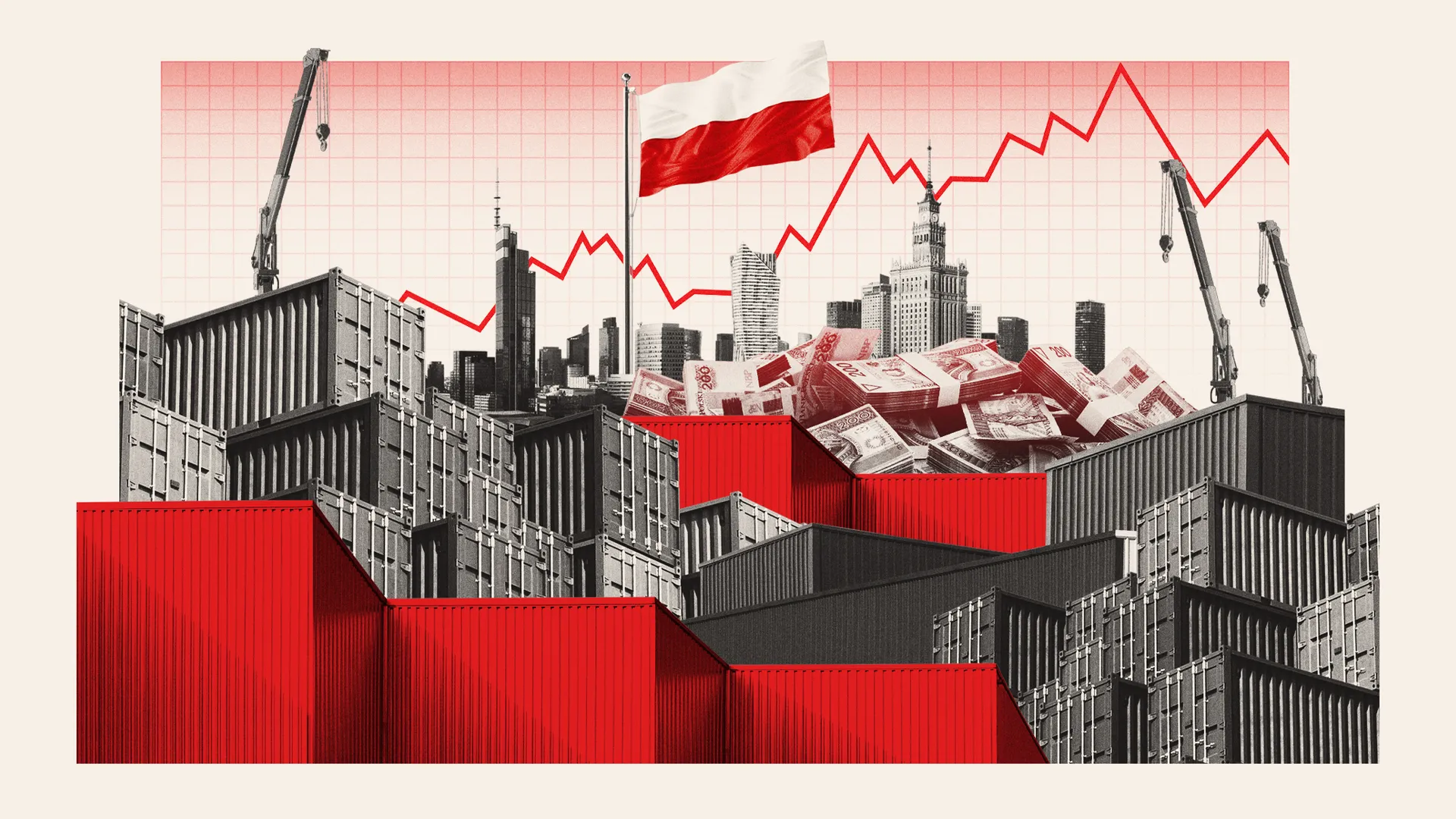
    How has Poland become one of the world’s top 20 economies?

    In the aftermath of Poland’s Communist collapse, the country was considered one of the most economically dire in Europe. But Poland now has the 20th largest economy in the world, the country’s statistics agency announced last week, marking its highest-ever global ranking. 

    What did the commentators say?
    Poland entered the top 20 after leapfrogging Switzerland. It reported more than $1 trillion in economic output for 2025, with its gross domestic product increasing 3.6% year-over-year, according to Poland’s statistics agency. This is a far cry from the early to mid-1990s, when Poland “rationed sugar and flour while its citizens were paid one-tenth what West Germans earned,” said The Associated Press.

    In “35 years,” Poland’s “per capita GDP rose to $55,340 in 2025, or 85% of the EU average,” said the AP. One of the most important factors in that growth was “rapidly building a strong institutional framework for business,” Marcin Piatkowski, an economist at Poland’s Kozminski University, said to the AP. This includes the creation of anti-monopoly agencies and regulatory bodies, ensuring that Poland’s economy “wasn’t hijacked by corrupt practices and oligarchs, as happened elsewhere in the post-Communist world.”

    Poland was also given significant help from the European Union both “before and after it joined the bloc in 2004,” said the AP. This funding “helped modernize Polish industry and expand an increasingly digitalized services sector,” said The Wall Street Journal. 

    What next?
    Poland’s economic prosperity may not last. The country has a low birth rate and an aging society, meaning that “fewer workers will be able to support retirees,” said the AP. Wages in Poland are “lower than the EU average,” and “while small and medium enterprises flourish, few have become global brands.”

    The country “must also contend with rising public debt,” said the Journal. Poland’s budget deficit of 6.8% is “significantly higher than the 3% benchmark for EU member states.” Still, its private-sector debt “remains low by EU standards.”

    Then there’s the possibility of leaving the EU, which could create further economic turmoil. Polish Prime Minister Donald Tusk has accused “right-wing opposition parties of steering the country toward leaving the bloc,” said Politico.


    The explainer

    Middle East violence could fuel more war in Africa

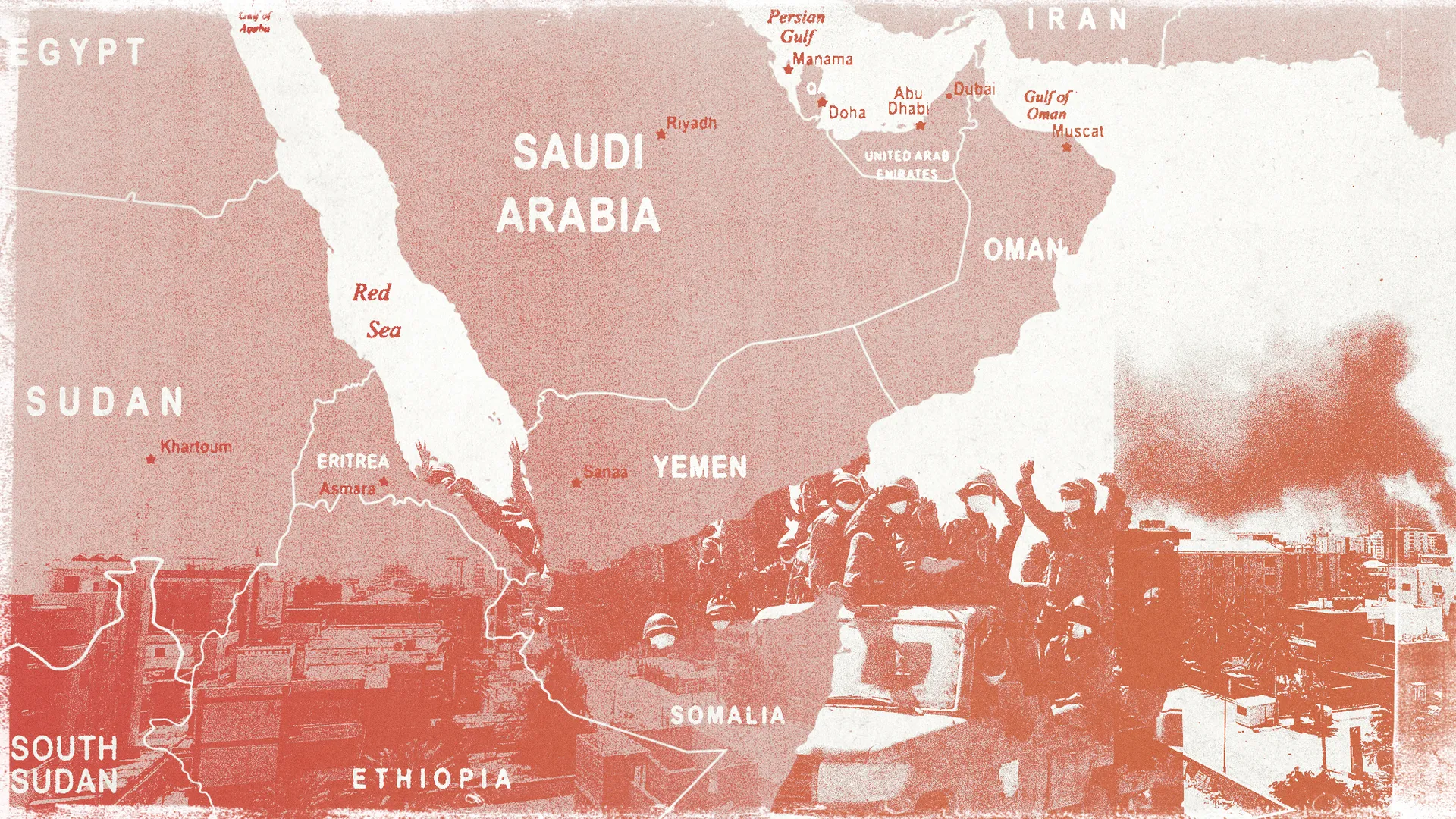
    The power struggle in the Middle East is rippling across the Red Sea and fuelling Sudan’s bloody civil war. Fighting between the Sudanese Armed Forces and the paramilitary Rapid Support Forces has “torn the country apart” since 2023, said The Times. Each side is backed by different Gulf countries and “their network of African allies.” Now, growing tension in the Gulf could cause the Sudan conflict to spread to neighboring countries.

    How are the Gulf States involved?
    The UAE has long been accused of supporting the RSF with weapons and funds. Experts believe it uses its ties to nearby countries, including Ethiopia, South Sudan, Libya and Chad, to support the paramilitaries. But Saudi Arabia and Qatar back the SAF, as do Turkey, Egypt and Eritrea. Even Iran has played a role, allegedly supplying Sudan’s army with drones and missiles.

    What are their motives?
    Access to Sudan’s ports is an advantage in the “contest for control of the Red Sea,” said Ahmed Soliman, of the think tank Chatham House, to The Times. Almost a third of global container shipping flows through the Suez Canal. 

    Sudan sits at the “crossroads of the Red Sea, the Horn of Africa, the Sahel and North Africa,” said Shewit Woldemichael, a Sudan analyst at the International Crisis Group, on Al Jazeera. The civil war is an opportunity for nations to advance their own interests in a “rapidly changing and contested regional order.” 

    Sudan’s “untapped” gold reserves are another motivating factor, said Middle East Eye. It’s Africa’s third-largest producer, and the UAE has established itself as a “global trading hub in gold.”

    How has the conflict spread? 
    Violence is increasing on Sudan’s borders with Chad and Libya. South Sudan, which gained independence in 2011, is also being pulled back into civil war. But the “most worrying theater for future conflict” is between Ethiopia and Eritrea, said The Times. The two nations signed a peace agreement in 2022, but Ethiopia has recently sent “tens of thousands of troops” north. Alliances have “crystallized” along the same lines as in Sudan: The UAE is backing Ethiopia, while Saudi Arabia and its allies have “thrown their weight behind Eritrea.” 

    The mounting tensions between Saudi Arabia and the UAE may “overshadow” their joint peace proposal for Sudan, said Woldemichael. But the threat of Iran could also push the Gulf States to “set aside some of their differences” and “revive stalled diplomatic efforts to end the war.”


    Statistic of the day

    $119 billion: The estimated amount that Americans lose to scams every year, according to the nonprofit advocacy group Consumer Federation of America. Investment scams are the most widely reported and economically devastating and include pig butchering, in which scammers deceive victims into fraudulent investments by gaining their trust over time. 


    QUOTE OF THE DAY

    ‘If you go back 400 years ago, it would never have occurred to anybody to be introspective.’ 

    Netscape co-founder Marc Andreessen on his intentional lack of introspection, in an interview with podcaster David Senra. “Great men of history didn’t sit around doing this stuff,” added the billionaire. “It never resonated with me.”


    in the spotlight

    Is China’s new law ‘ethnic unity’ or ethnic supremacy?

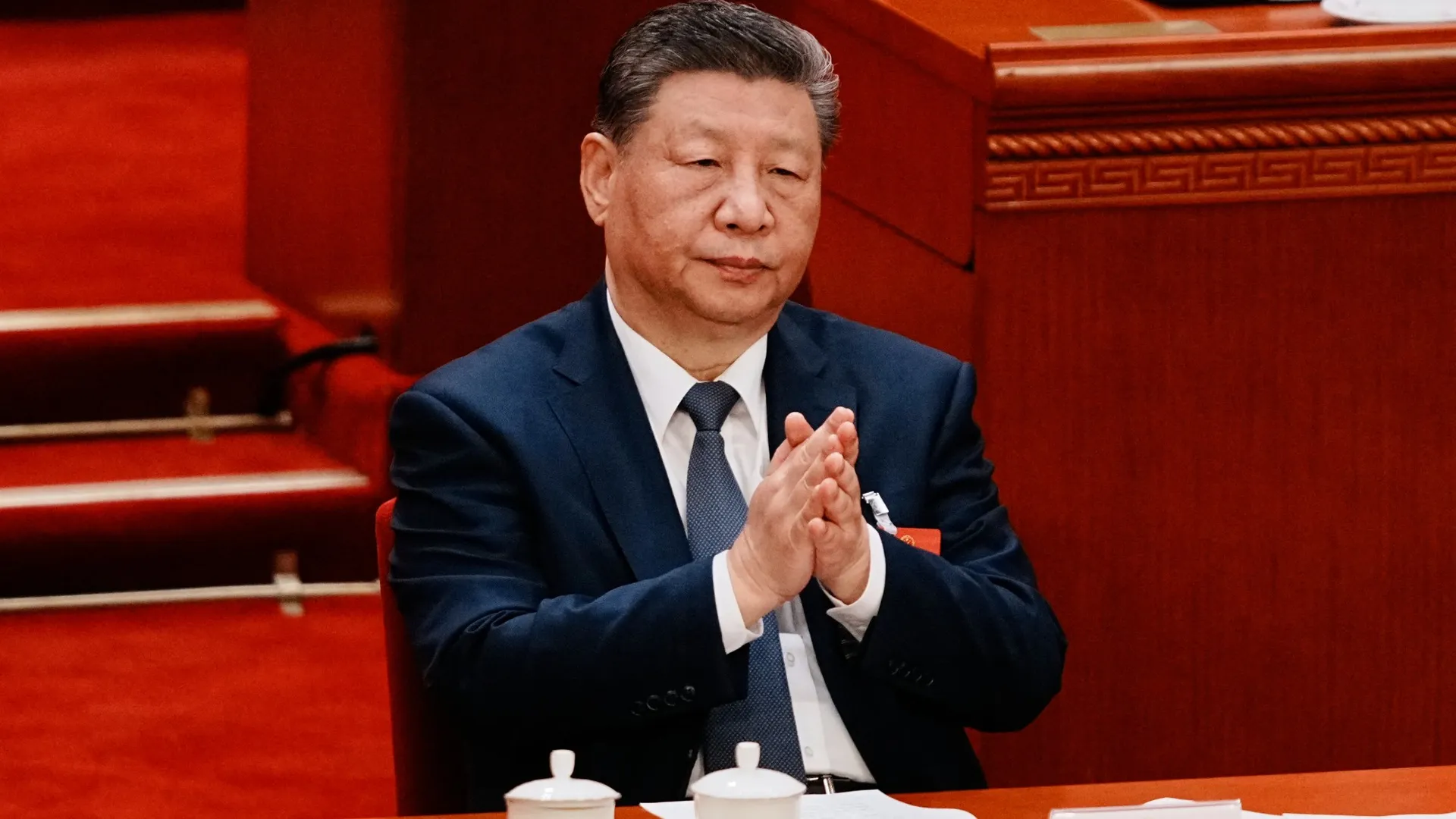
    The country has adopted a sweeping new law that orders government agencies, private enterprises and parents to foster a “stronger sense of community among all ethnic groups” in the nation, said Lou Qinjian, a delegate to the National People’s Congress, at multiple outlets. The new “ethnic unity” mandate may sound benign, but critics say it could erase and diminish the cultural identities of Uyghurs, Mongolians and other minority groups in favor of the country’s dominant Han Chinese culture.

    Binding minorities to the majority
    Beijing wants China’s ethnic minorities to “blend in,” said The New York Times. Xi Jinping has “worked aggressively” during his decade in power to pressure minorities in Tibet and elsewhere to “identify first and foremost as patriotic citizens.” The new law furthers that mission with provisions that “touch on education, housing policy, entertainment and other areas.”

    It orders that the Mandarin Chinese language be used in school instruction and other official business and that different ethnicities should live in mixed communities. The goal: to “bind China’s minorities” to the majority Han Chinese population, said the Times. There are 56 officially recognized ethnic groups in China, and “55 are getting squashed” by the change, said The Economist. 

    Cracking down
    China started its Sinicization of minority groups in the late 2000s, said BBC News. Monks have been arrested in Tibet, Uyghur Muslims have been sent to reeducation camps, and Mongolians have battled authorities to preserve the right to teach children their language. The new law is the latest attempt to “cement Xi’s push toward assimilation.” 

    Chinese officials say the mandate was drafted after consultation with “representatives from ethnic minority communities,” said Reuters. The rules emphasize the “protection of cultural traditions and lifestyles of all ethnic groups,” said an editorial in China Daily, the state newspaper. Minority groups like Tibetans, Mongols, Hui, Manchus and Uyghurs comprise less than 10% of China’s population, said Reuters, but they live mostly in “regions that together cover roughly half of the country’s land area, much of it rich in natural resources.”


    Good day ❤️

    … for women’s heart health. The risk of developing heart disease can be detected from routine mammograms using AI technology to reveal calcium deposits in breast arteries, according to a study published in the European Heart Journal. Heart disease is the “leading cause of death in women worldwide,” yet women are “consistently underdiagnosed and undertreated compared to men,” said study leader Hari Trivedi.


    Bad day 🧒

    … for kids’ innocence. Children as young as 8 months old are capable of lying, according to a study published in the journal Cognitive Development. By 10 months, about a quarter of babies and toddlers exhibit deceptive and “sneaky” behaviors, such as hiding forbidden objects and not listening to their parents.


    Picture of the day

    ‘Feeling cute, might delete later’

    Julia butterflies land on the eyes of a caiman in the Pantanal wetlands of Brazil. The photo taken by Morris Hersko is among a set of previously unseen pictures from last year’s Nikon Comedy Wildlife Photography Awards, released this week to mark the start of the 2026 competition.
    Morris Hersko / Comedy Wildlife Photography Awards


    Puzzles

    Daily sudoku

    Challenge yourself with The Week’s daily sudoku, part of our puzzles section, which also includes guess the number

    Play here


    The Week recommends

    New video games run from cozy to thrilling

    Spring may beckon you outdoors, but that doesn’t mean there aren’t fresh reasons to make staying in worthwhile. From mold-breakers to high-octane adventures, the seasons’ releases offer something for everyone.

    Pokémon Pokopia
    Nintendo’s latest Pokémon game is breaking the franchise’s mold. Fans might be surprised to find that Pokopia is “pretty story-driven,” said TechRadar. There’s “ample side-questing, construction work and resource collection to be enjoyed,” but you will need to “progress through the main quest lines to unlock new powers, areas and Pokémon.” (out now; Nintendo Switch 2)

    Life Is Strange: Reunion
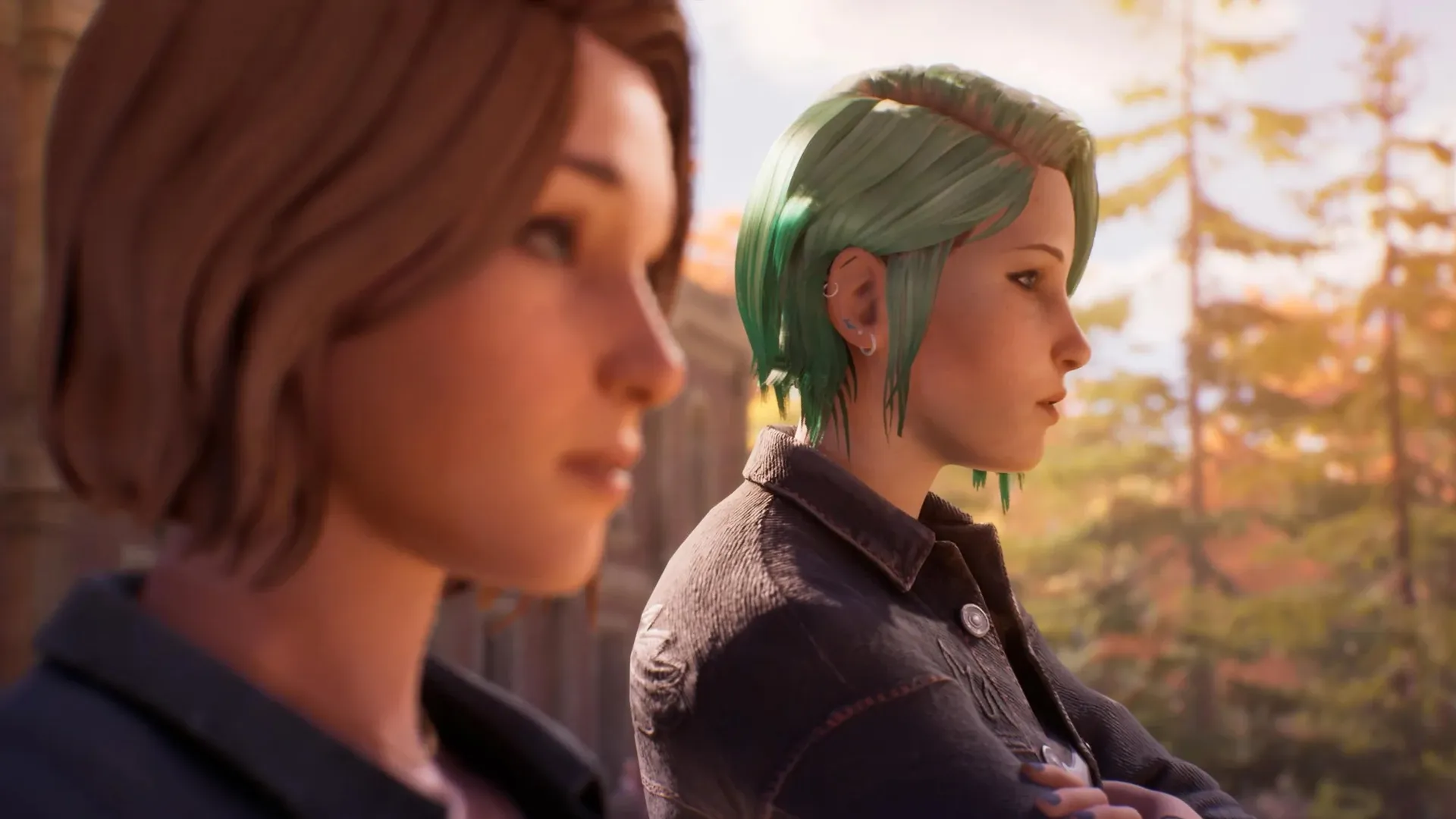
    The sequel to Life Is Strange: Double Exposure reunites two of the franchise’s main characters (pictured above), bringing the series’ original protagonist, Max Caulfield, back together with her original partner, Chloe Price. If Chloe’s absence “soured your feelings” toward Double Exposure, this newest installment may “win you over,” said Gaming Bible. (March 26; PC, PS5, Xbox Series X|S)

    007 First Light
    One of the most anticipated releases this year has players take control of a young James Bond as he completes early M16 missions that will earn him his 00 status. The thrilling action-adventure game is packed with the type of espionage you would expect from the franchise. Bond has had a “mixed legacy in gaming,” said Den of Geek, but with publisher IO Interactive’s history, 007 First Light could be the “start of a gaming renaissance for the super spy.” (May 25; Nintendo Switch 2, PC, PS5, Xbox Series X|S)

    Read more


    Poll watch

    Two in three Americans are confident or very confident the government will run fair and accurate elections in November, but trust is waning, according to an NPR / PBS News / Marist survey of 1,591 adults. The percentage of Americans losing faith in election administration has increased, with 34% having little or no confidence, up from 24% last year.


    INSTANT OPINION

    Today’s best commentary

    ‘Rich men like Bill Gates can do more to make amends for their Epstein ties’
    Bridgette Carr at The Guardian
    When Bill Gates “spoke before his foundation staff last month and said it had been a ‘huge mistake to spend time with Epstein,’” survivors “felt something familiar. Not surprise. Exhaustion,” says Bridgette Carr. Gates’ “apology and others like it are necessary.” But it’s “not sufficient.” For “some individuals, accountability should absolutely mean arrest and prosecution. But not everyone in Epstein’s ecosystem committed crimes.” This “leaves a question nobody seems to be asking: Is an apology enough?”

    ‘We study mass shooters. Something terrifying is happening online.’
    James Densley and Jillian Peterson at The New York Times
    Until “recently, if asked to profile a typical mass shooter, we would have described a middle-aged man who was socially isolated and in despair,” say James Densley and Jillian Peterson. But Americans are “witnessing the emergence of a different paradigm: a mass shooter no less despairing about life’s hardships but younger” and “highly connected to online social networks.” This shift is “highly significant for our understanding of the online-fueled pathologies that afflict our society.”

    ‘What “One Battle After Another” doesn’t get about resistance in Trump’s America’
    Gustavo Arellano at the Los Angeles Times
    The “cheers were loud and long” at the 98th Academy Awards after “One Battle After Another” won Best Picture, says Gustavo Arellano. It’s “supposed to be a movie that means something,” but director Paul Thomas Anderson has “maintained in interviews that people should regard it less as a reflection of our times and more as a commentary on the eternal struggle of American democracy.” This makes it “far less weighty than critics and supporters alike have characterized it as being.”


    WORD OF THE DAY

    AI-sexual

    A type of attraction in which someone is “more than open to experimenting with AI in a sexual or intimate context,” said Mashable. More than half (55%) of Gen Z and millennial adults who actively use AI consider themselves AI-sexual and are comfortable expressing desire with chatbots, according to a survey by AI companion company Joi AI.


    Evening Review was written and edited by Theara Coleman, Nadia Croes, Scott Hocker, Anya Jaremko-Greenwold, Justin Klawans, Harriet Marsden, Joel Mathis and Rafi Schwartz, with illustrations by Stephen Kelly.

    Image credits, from top: : Illustration by Stephen Kelly / Getty Images; Illustration by Stephen Kelly / Getty Images; Vincent Thian / POOL / AFP via Getty Images; Square Enix
     

    Recent editions

    • Morning Report

      Authorities rush to stop meningitis spread

    • Evening Review

      Trump's rallying cry falls on deaf ears

    • Morning Report

      UK readies minesweeping drones for Hormuz

    VIEW ALL
    TheWeek
    • About Us
    • Contact Future's experts
    • Terms and Conditions
    • Privacy Policy
    • Cookie Policy
    • Advertise With Us
    • FAQ
    Add as a preferred source on Google Add as a preferred source on Google

    The Week UK is part of Future plc, an international media group and leading digital publisher. Visit our corporate site.

    © Future Publishing Limited Quay House, The Ambury, Bath BA1 1UA. All rights reserved. England and Wales company registration number 2008885.