The Week The Week
flag of US
US
flag of UK
UK
https://cdn.mos.cms.futurecdn.net/flexiimages/jzblygzdxr1769609154.gif

SUBSCRIBE

Try 6 weeks free

Sign in
  • View Profile
  • Sign out
  • The Explainer
  • Talking Points
  • The Week Recommends
  • Podcasts
  • Newsletters
  • From the Magazine
  • The Week Junior
  • More
    • Politics
    • World News
    • Business
    • Health
    • Science
    • Food & Drink
    • Travel
    • Culture
    • History
    • Personal Finance
    • Puzzles
    • Photos
    • The Blend
    • All Categories
  • Newsletter sign up Newsletter
  • The Week Evening Review
    AI backlash politics, precision medicine, and ‘bubble wrapping’ in the workplace

     
    TODAY’S BIG QUESTION

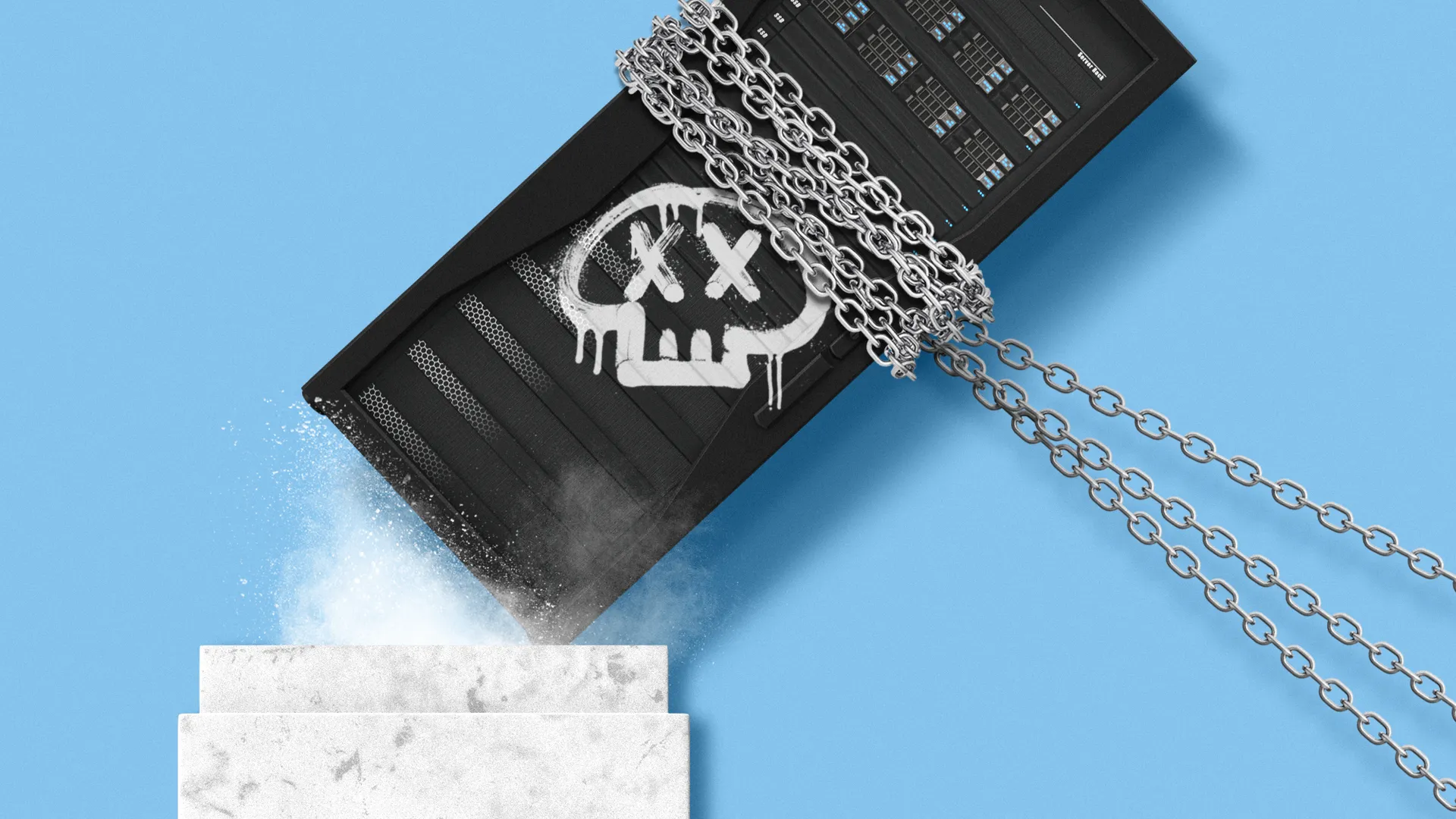
    Will data center backlash decide the midterms?

    New York Gov. Kathy Hochul (D) just signed off on the nation’s first state-level moratorium on data center construction, and other governors may follow, as the pushback against data centers grows. But the issue doesn’t easily map onto party-line divisions, and both Democrats and Republicans are trying to figure out how voter anger at the facilities will factor into this fall’s midterm elections.

    What did the commentators say?
    Congressional Democrats are looking at the New York example and “hoping to seize on the issue in the November midterms,” said Politico. It could serve as a “bridge” between moderates like Hochul and progressives like Sen. Bernie Sanders (I-Vt.), who have “clamored for more restrictions” on artificial intelligence. A whopping 71% of Americans “don’t want an AI data center built close to where they live,” said The New York Times. And when voters “feel like there’s some industry or sector of the economy that’s out of control, they reach for Democrats,” said Robinson Meyer, of Heatmap, to the outlet.

    The challenge is that while Democrats see data centers as a problem, they “disagree on what to do about it,” said The Hill. The centers’ role in “exacerbating both electricity bills and climate change” makes restrictions a “no-brainer” for some in the party, especially given affordability concerns. But party leadership has yet to back a “specific proposal to achieve those ends.” 

    Other Democrats, like Michigan Gov. Gretchen Whitmer, have meanwhile “rolled out the red carpet” for data center projects, said Stephen Starr at The Guardian. Opposing data centers “should be an easy way to win votes” for Democrats, and embracing construction is “risking their midterm hopes.”

    A “string of polls” shows that “even a majority of Republicans” oppose data center construction, said The Washington Post. And some Republican candidates are pitching themselves as defenders of local communities against the projects. Others have decided to “stake out firmly pro-AI positions” out of “concerns about losing the AI war to China.”

    What next?
    The Trump administration is attempting to “quell public concerns” ahead of the midterms by inviting GOP governors to sign a Ratepayer Protection Pledge that would commit data center developers to “pay for their fair share of energy and water use.” Meanwhile, AI and tech groups are “flooding money into the midterms,” said NPR. And legislation to regulate the sector “remains stalled.”


    QUOTE OF THE DAY

    ‘There won’t be any more elections here for them to try to seize the government and seize power.’

    Nicaraguan President Daniel Ortega, in power since 2007, in a speech commemorating the 1979 revolution in which he helped to overthrow the U.S.-backed dictatorship of Anastasio Somoza. The last election in 2021 was widely disputed after Ortega “detained opponents and business leaders” and “criminalized dissent,” said CNN.


    THE EXPLAINER

    How precision medicine is revolutionizing healthcare

    The world’s largest database of human genomes has been made available to scientists and doctors by the National Institutes of Health, “paving the way for a new era of study in personalized medicine,” said The New York Times. Pairing this data from more than 747,000 participants with clinical information could power “next-generation discoveries” in “precision medicine,” said the NIH. 

    What’s precision medicine?
    It’s an “innovative approach that uses information about an individual’s genomic, environmental and lifestyle information to guide decisions related to their medical management,” said the NIH’s National Human Genome Research Institute. Its goal is to “provide” each patient with a “more precise approach for the prevention, diagnosis and treatment of disease.”

    What are the obstacles?
    In theory, “therapies targeted to a person’s genetic makeup should be more effective and have fewer side effects,” said David Cox at the BBC. But in practice, it has often proved “erratic and expensive.” 

    Using precision medicine effectively also requires people to “trust governments and companies with their genomic data” and scientists to navigate a “regulatory environment around medicines” that’s “ill-equipped to cope with therapies that are designed for just one person.”

    That’s the “paradox at the heart of precision medicine,” said NIH Director Jay Bhattacharya. To “tailor treatments to individuals, you actually need very large populations to uncover the patterns that connect genetics, lifestyle and the environment to health outcomes.”

    What can it be used for?
    The data has already fueled more than 1,400 peer-reviewed publications across the U.S. and around the world. Recent related breakthroughs range from a clinical genetic test predicting the inherited risk of heart disease to the development of a low-cost prostate cancer risk model.

    In a small-scale trial in California, people with early-stage dementia who were given personalized treatment plans combining medical interventions with lifestyle changes seemed to show improvements in memory and cognitive function. And millions of women with breast cancer could be spared debilitating treatment, following trials of a genomic test that spots who needs chemotherapy and who doesn’t. That could “transform healthcare guidelines worldwide,” said The Guardian.


    Statistic of the day

    $50.1 million: The amount paid for “Gus,” the almost complete fossil of a Tyrannosaurus rex, by a mystery bidder at a Sotheby’s auction in New York City. The 67-million-year-old fossil is now the most expensive set of dinosaur bones sold at auction, beating a stegosaurus that sold for nearly $45 million in 2024.


    IN THE SPOTLIGHT

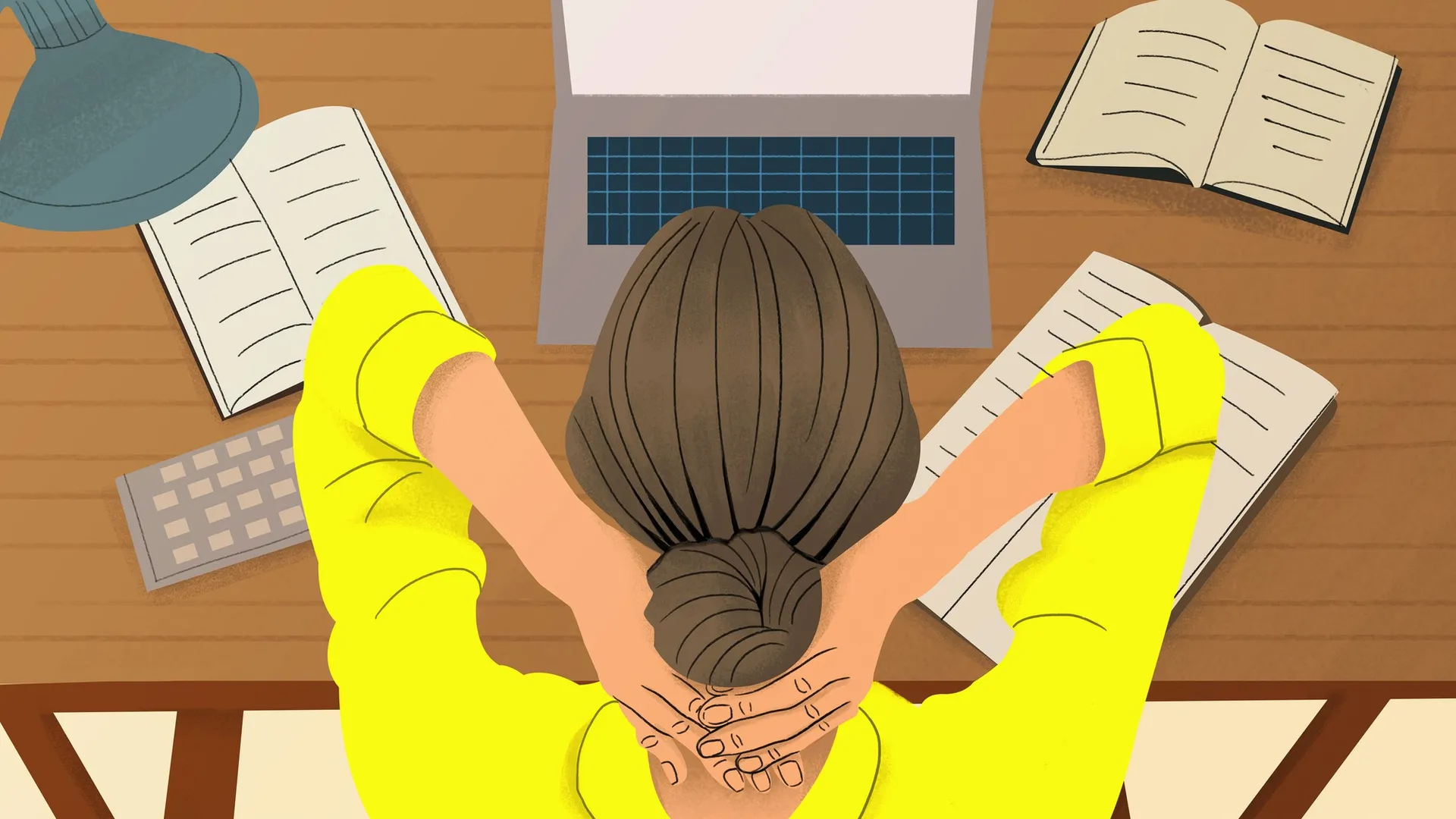
    ‘Bubble wrapping’ at work could limit career progress

    If you have ever avoided giving criticism or expressing boundaries in the workplace, you may have been “bubble wrapping.” The practice of cushioning words or actions to protect others’ feelings is most common among women. And this avoidance of confrontation may inadvertently hinder upward mobility in the office.

    Gendered habit
    More than half of women “feel pressure to be likeable at work compared with only 36% of men,” and this “‘likeability labor’ means women often feel overly responsible for other people’s comfort at work,” said Mandy Lehto, an executive coach and leadership expert, to Stylist. Examples of bubble wrapping in the workplace include apologizing unnecessarily, softening the delivery of criticism or expectations, or taking on extra tasks instead of communicating limits. Many women feel pressure to avoid confrontation because they are “far more likely to receive feedback that they are being ‘bossy’ or ‘too direct’ when they communicate in the same way as male colleagues,” said Léonie Kennepohl, a female leadership expert and co-founder of the networking platform and recruiting community Female x Finance, to Forbes. 

    Harder job
    This pressure to be agreeable can hinder career growth. Bubble wrapping “makes women appear less confident in leadership positions,” said Forbes. It also “deprives people of the very feedback and challenges they need to become more resilient, capable and successful.”

    Women often “become the colleague others vent to, the one who smooths over conflicts, explains someone’s intentions or makes sure everyone else feels comfortable,” said Her World. These added burdens often make jobs more taxing. This emotional labor has “real value because it helps build trust, psychological safety and stronger workplace relationships.” It becomes problematic when it’s “expected from the same people every time.”

    One can “build self-trust by showing yourself that you value your own experience as much as other people’s,” said Lehto. There’s “so much coming at us that’s trying to make us complacent or to look the other way or to not sit in discomfort,” said Reshma Saujani, the founder of Girls Who Code, to Big Think. “We actually need people to feel and to act with courage in their everyday life.”


    Good day 💃

    … for dancing skills. People who take salsa lessons show a greater reduction in depressive symptoms and social anxiety than those who don’t, according to a study published in Psychological Medicine. Doctors should consider social dance classes as an “optional well-being or adjunctive intervention,” particularly for “young people who find them appealing,” said lead study author Brennan Delattre to The Guardian.


    Bad day 📚

    … for independent bookstores. Police in Hong Kong have arrested five booksellers over alleged “seditious” material, as Beijing “imposes increasingly strict control over the once-autonomous territory in successive free speech crackdowns,” said The Washington Post. The police raid has come on the opening day of the Hong Kong Book Fair, a “government-organized event” that has “exercised political censorship and barred independent bookstores from participating.”


    Picture of the day

    Loop the loop

    A member of the Red Devils, the British Army’s parachute display team, turns in the sky above the Farnborough International Airshow. The annual event in Hampshire, England, attracts tens of thousands of aviation fans keen to see state-of-the-art and historic aircraft.
    Toby Shepheard / AFP / Getty Images


    Puzzles

    Daily sudoku

    Challenge yourself with The Week’s daily sudoku, part of our puzzles section, which also includes guess the number

    Play here


    The Week recommends

    Practical products to keep you cool this summer

    The heat is very on, but that doesn’t mean you have to sweat it out. When you don’t have an air conditioner or the temperature is so high that AC isn’t enough, turn to these items to reinvigorate yourself.

    Avène thermal spring water
    One spray of this “soothing” mist on a hot day gives you a “quick refresh,” said Glamour. The pure thermal spring water contains postbiotic microflora, which can calm the skin and reduce redness. It’s also free of fragrance, parabens, alcohol, silicone, mineral oil, aluminum and sulfates, making it ideal for most skin types and safe for use throughout the day. ($15, Ulta)

    Cozy Earth bamboo sheet set
    These sheets are made from 100% bamboo viscose that’s temperature-regulating and “next-level soft,” said Architectural Digest. Snoozing on the fabric feels like “being draped in a luxuriously lightweight silk,” and because it’s thin, air passes “easily through the layer,” keeping you cool and comfortable overnight. Choose from more than a dozen solid colors and limited edition patterns, from twin/twin XL to split king. (starting at $258, Cozy Earth)

    Torras Coolify 2S neck air conditioner
    This “easy to use” neck air conditioner delivers an arctic blast whenever you need it, said Wirecutter. A “decadent” array of advanced semiconductor plates lines the device and when pressed against your skin feels like a refreshingly “cold can of soda.” And the Coolify features a dual-axis hinge design that expands to accommodate most neck sizes. ($199, Amazon)

    Read more


    Poll watch

    Almost all Israeli voters (83%) oppose the inclusion of Haredi (ultra-Orthodox) parties in a coalition formed after the country’s elections, while 8% support it, according to a Maariv survey of 500 adults in Israel. In contrast, 70% of voters are in favor of adding an Arab party to the coalition after elections, while 10% are against it.


    INSTANT OPINION

    Today’s best commentary

     ‘This is why our fresh produce keeps making us sick’
    Timothy D. Lytton at The New York Times
    While cases of cyclosporiasis have “reached a new high this year, the parasitic infection has spread in recent summers, too, abetted by warmer weather and higher consumption of fruits and vegetables,” says Timothy D. Lytton. To “break the cycle of infection, the fresh produce industry has to step up its efforts to prevent contamination on farms and better sanitize food.” The government also needs to “identify outbreaks more quickly so that contaminated food can be removed from store shelves.”

    ‘“The Odyssey” will overwhelm you and not only with spectacle’
    Will Leitch at The Washington Post
    The movie industry “appears to have been turned entirely upside down this year” as big-budget films have “dramatically underperformed,” says Will Leitch. This is why “there remains truly no one like Christopher Nolan,” who has “more on his mind than just spectacle.” His new film, “The Odyssey,” is about the “hubris of man, about how the more we convince ourselves we have conquered nature and the gods and believe that we no longer need to look to history.”

    ‘The attack on workers begins and ends with Black women’
    Anna Gifty Opoku-Agyeman and Ayanna Pressley at The Boston Globe
    Black women have “always been the backbone of the American economy,” say Anna Gifty Opoku-Agyeman and Rep. Ayanna Pressley (D-Mass.). In 2025, “thousands of Black women left or lost their jobs, with college-educated Black women and Black women in the federal workforce being disproportionately impacted.” What’s happening to Black women in the workforce is a “harbinger for every worker and family in America,” a “perfect storm of this administration’s attacks on workers’ rights, equal pay and the workforce.”


    WORD OF THE DAY

    triple-dip

    A rare climate event in which La Niña conditions persist for three consecutive years, including unusually cold sea surface temperatures in the Pacific and strong eastern winds. If it continues for a third round this year as predicted, it will be “bad news” for both the Atlantic hurricane season and the “ongoing drought in the West,” said The Weather Channel. 


    Evening Review was written and edited by Theara Coleman, Nadia Croes, Catherine Garcia, Scott Hocker, Justin Klawans, Joel Mathis, Summer Meza, and Devika Rao, with illustrations by Stephen Kelly and Julia Wytrazek.

    Image credits, from top:  Illustration by Stephen P. Kelly / Shutterstock / Getty Images; Creative Images Lab / Getty Images; Amr Bo Shanab / Getty Images; Illustration by Julia Wytrazek / Getty Images
     

    Recent editions

    • Morning Report

      Healey becomes chancellor in cabinet reshuffle

    • Evening Review

      How to take on Burnham

    • Morning Report

      Spain edge Argentina to reclaim World Cup

    VIEW ALL
    TheWeek
    • About Us
    • Contact Future's experts
    • Terms and Conditions
    • Privacy Policy
    • Cookie Policy
    • Advertise With Us
    • FAQ
    Add as a preferred source on Google Add as a preferred source on Google

    The Week UK is part of Future plc, an international media group and leading digital publisher. Visit our corporate site.

    © Future Publishing Limited Quay House, The Ambury, Bath BA1 1UA. All rights reserved. England and Wales company registration number 2008885.