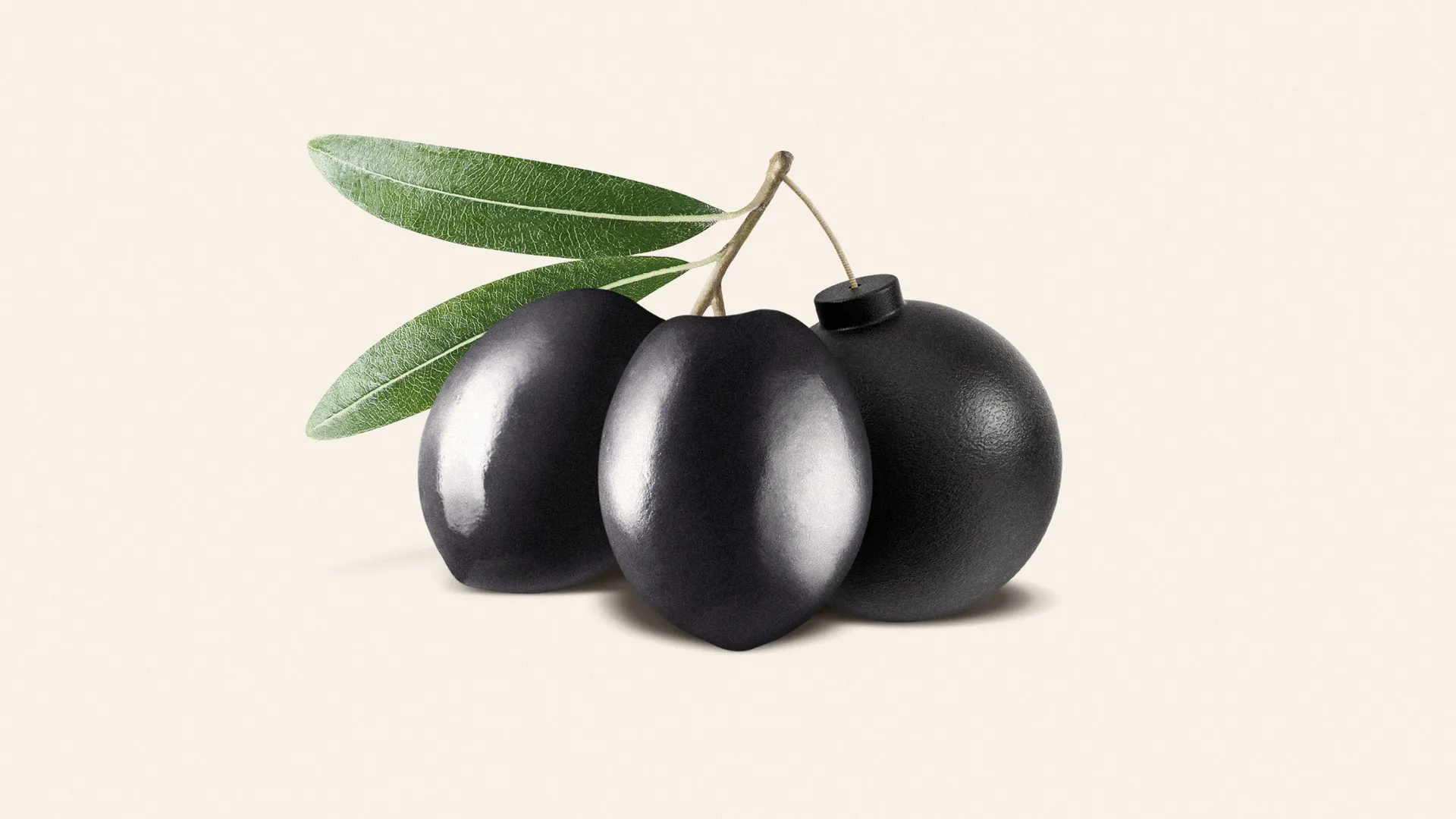
Israeli police have arrested 10 suspects in the occupied West Bank following attacks by Jewish settlers over the weekend in which a US journalist and European diplomats were among those injured.
Masked settlers beat Washington Post photojournalist Heidi Levine as she covered an olive harvest in the Palestinian village of Abu Falah. The following day, settlers attacked diplomats from Belgium, France and Poland, as well as representatives of the Catholic Church, in the Palestinian Christian village of Taybeh.
Why is the harvest so significant for Palestinians?
According to the UN Office for the Coordination of Humanitarian Affairs, between 80,000 and 100,000 Palestinian families depend on the olive sector for at least part of their income. Every autumn, thousands of families harvest olives that have sustained communities for generations. To many olive-growing communities, the harvest represents not just livelihoods, but cultural identity, family heritage and attachment to the land.
The Week
Escape your echo chamber. Get the facts behind the news, plus analysis from multiple perspectives.
SUBSCRIBE & SAVE
Sign up for The Week's Free Newsletters
Join more than 350,000 subscribers and keep yourself informed with a selection of The Week’s most interesting, enlightening and entertaining stories - plus daily puzzles.
Join more than 350,000 subscribers and keep yourself informed with a selection of The Week’s most interesting, enlightening and entertaining stories - plus daily puzzles.
Latest Videos FromThe Week US
The Palestinian Ministry of Agriculture estimates that olive oil production will reach approximately 21,000 tonnes this year, around a quarter of which would be surplus to domestic need and could be exported, said Palestinian News Network. But that yield is reliant on farmers being able to access and harvest their groves.
Settler attacks during this year’s olive harvest season have already surpassed the total for 2025. The UN Office for the Coordination of Humanitarian Affairs has documented 199 olive-harvest-related settler attacks in the West Bank this season. These incidents resulted in one death, 124 injuries and damage to more than 2,500 trees and saplings.
Why is the season vulnerable to violence?
These attacks in the West Bank “are not new”, said Al Jazeera. Every year, “Israeli settlers and hardline groups use the olive harvest period to assert control over valuable agricultural lands”, including by “stealing crops, or building illegal settlement outposts and roads on private Palestinian property”.
This annual ritual of “assaulting farmers, burning or uprooting trees and stealing crops”, is “making it increasingly dangerous for Palestinians to reach and remain on their own land”, Ahmed Najar, a Palestinian political analyst and playwright, told the outlet.
The attacks are also designed to “deter international campaigners from accompanying Palestinian farmers, standing with them against settler violence and documenting the atrocities being committed”, he said. “The objective is not only to dispossess Palestinians, but to ensure that their dispossession happens without witnesses.”
What is being done?
The EU has condemned Israeli settler attacks, with a spokesperson for its diplomatic service saying it expects “full accountability as well as effective measures to prevent continued acts of violence and violent harassment against Palestinians, including during the ongoing olive harvest season”.
The Israeli military has condemned Saturday’s attack on the EU diplomats and said it has opened an investigation into the incident. However, “despite the international condemnation”, the office of Israel’s Prime Minister, Benjamin Netanyahu, has “questioned the video evidence and testimony” from what it calls “alleged” attacks, said the BBC.