'Hardcore yeast' could be the solution to nuclear waste
A free daily email with the biggest news stories of the day – and the best features from TheWeek.com
You are now subscribed
Your newsletter sign-up was successful
As we inch ever-closer to nuclear apocalypse, there may be good news for the inevitable radioactive waste: Scientists have discovered that to stop contamination from spreading, the solution could be as simple as yeast.
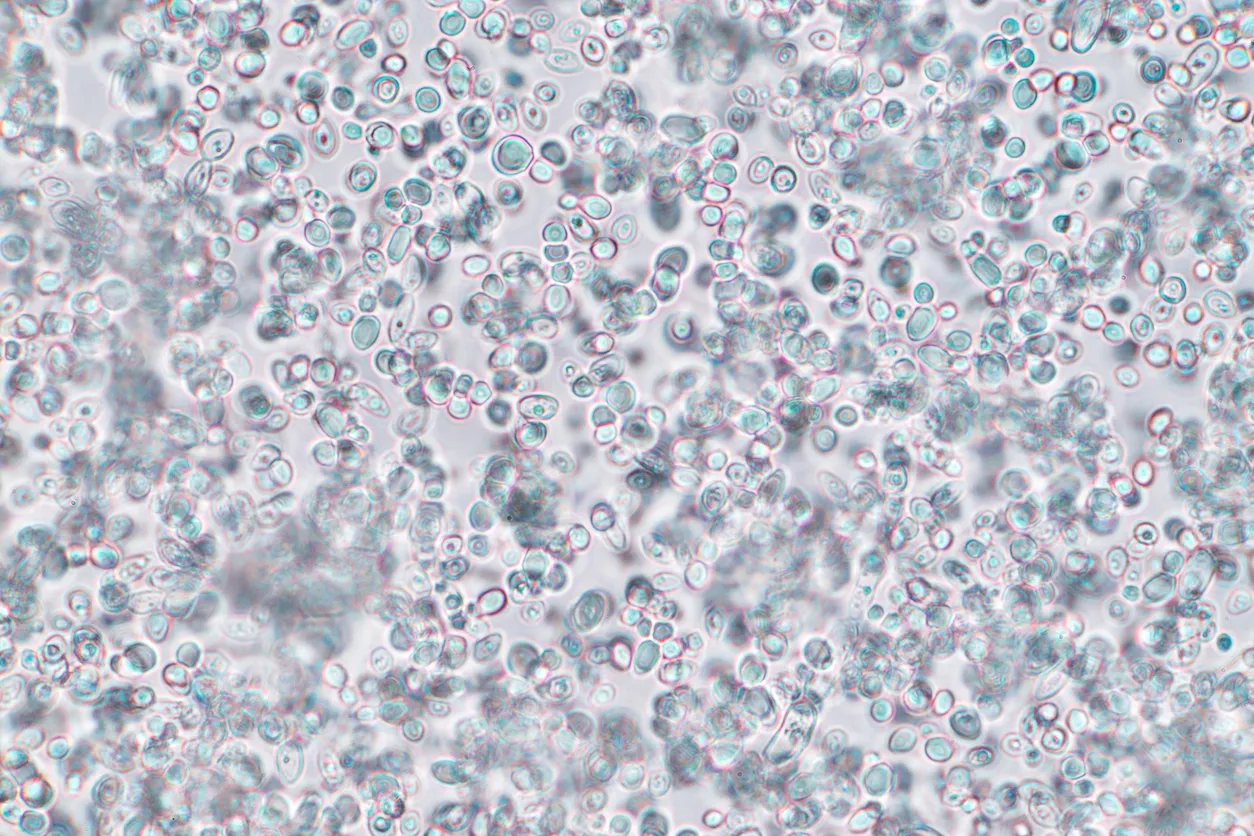
In a study published earlier this month, researchers discovered that yeasts are surprisingly capable of withstanding radioactive and acidic conditions, like those that would follow a nuclear detonation. A species of yeast called Rhodotorula taiwanensis can even form a type of shield, called a biofilm, to stop radioactivity from spreading. The reddish fungus — which Popular Science dubs "hardcore yeast" — was originally found in an abandoned acid mine in Maryland, and it has even proved more effective in halting radioactive spread than a microbe that researchers nicknamed "Conan the Bacterium" for its resistance to radiation.
"The potential for yeast is enormous," said the study's co-author Michael Daly. He and other researchers are hoping to use their newfound fungal ally to stop the leakage of Cold War-era nuclear waste, which is stored at 120 sites around the country. The largest of these, the Hanford Site in southeastern Washington, houses more than 50 million gallons of nuclear byproduct — and has contaminated 10,000 football fields' worth of soil since it was used to assemble the first atomic bombs during the Manhattan Project.
The Week
Escape your echo chamber. Get the facts behind the news, plus analysis from multiple perspectives.
Sign up for The Week's Free Newsletters
From our morning news briefing to a weekly Good News Newsletter, get the best of The Week delivered directly to your inbox.

But with the mighty yeast on their side, these scientists are hopeful that they can contain the dangerous waste. Read more at Popular Science.
A free daily email with the biggest news stories of the day – and the best features from TheWeek.com
Shivani is the editorial assistant at TheWeek.com and has previously written for StreetEasy and Mic.com. A graduate of the physics and journalism departments at NYU, Shivani currently lives in Brooklyn and spends free time cooking, watching TV, and taking too many selfies.
-
Political cartoons for February 22Cartoons Sunday’s political cartoons include Black history month, bloodsuckers, and more
-
The mystery of flight MH370The Explainer In 2014, the passenger plane vanished without trace. Twelve years on, a new operation is under way to find the wreckage of the doomed airliner
-
5 royally funny cartoons about the former prince Andrew’s arrestCartoons Artists take on falling from grace, kingly manners, and more
-
Britain’s ex-Prince Andrew arrested over Epstein tiesSpeed Read The younger brother of King Charles III has not yet been charged
-
Ex-South Korean leader gets life sentence for insurrectionSpeed Read South Korean President Yoon Suk Yeol was sentenced to life in prison over his declaration of martial law in 2024
-
Rubio boosts Orbán ahead of Hungary electionSpeed Read Far-right nationalist Prime Minister Viktor Orbán is facing a tough re-election fight after many years in power
-
Key Bangladesh election returns old guard to powerSpeed Read The Bangladesh Nationalist Party claimed a decisive victory
-
Epstein files topple law CEO, roil UK governmentSpeed Read Peter Mandelson, Britain’s former ambassador to the US, is caught up in the scandal
-
Iran and US prepare to meet after skirmishesSpeed Read The incident comes amid heightened tensions in the Middle East
-
EU and India clinch trade pact amid US tariff warSpeed Read The agreement will slash tariffs on most goods over the next decade
-
Israel retrieves final hostage’s body from GazaSpeed Read The 24-year-old police officer was killed during the initial Hamas attack