Sign up to get Today’s Best Articles in your inbox
Join 350,000+ subscribers and keep yourself informed with a selection of
The Week’s most interesting, enlightening and entertaining stories - plus daily puzzles.
You are now subscribed
Your newsletter sign-up was successful
Want to add more newsletters?
An account already exists for this email address, please log in.
Moscow cemeteries to get free WiFi
Russian authorities hope internet connection will attract more tourists and help visitors 'unwind'
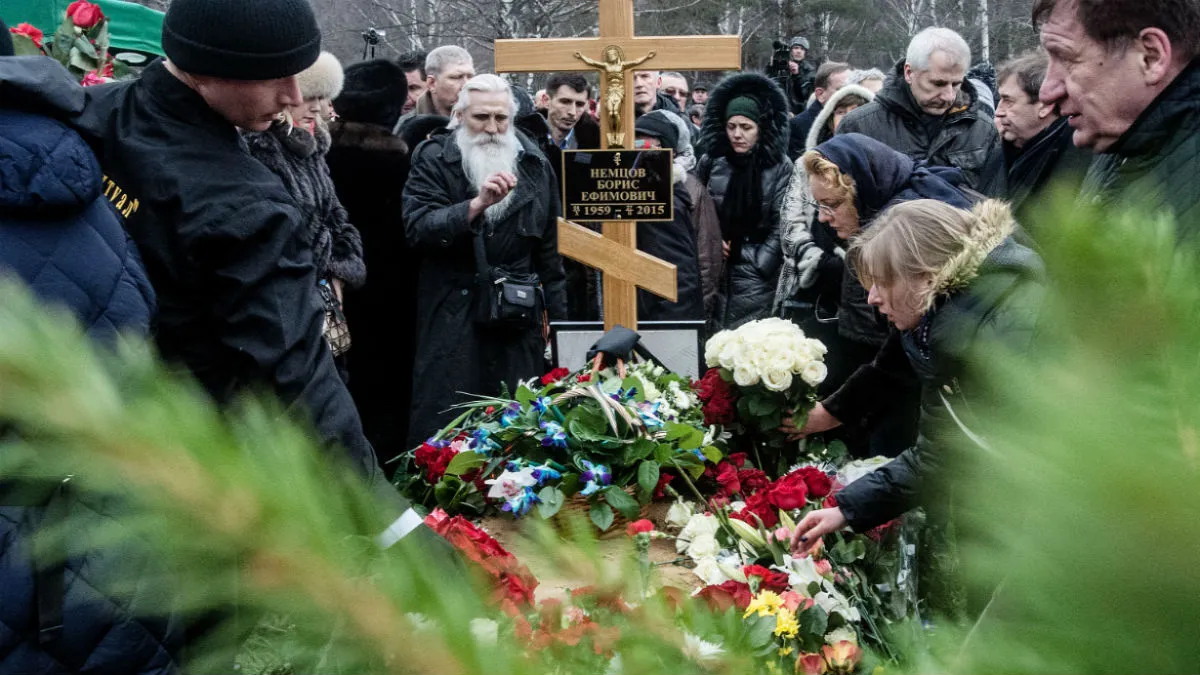
As part of a drive to bring free internet access to crowed public places, Moscow authorities have announced they are connecting up an unlikely new location: cemeteries.
Officials from city hall announced that free Wi-Fi would be available at three of the city's historic cemeteries starting next year.
It is hoped that the move will attract more visitors to the Vagankovo, Troyekurovo and Novodevichy cemeteries where many illustrious Russians, including Chekov, Khrushchev and Stalin are buried.
The Week
Escape your echo chamber. Get the facts behind the news, plus analysis from multiple perspectives.
Join more than 350,000 subscribers and keep yourself informed with a selection of The Week’s most interesting, enlightening and entertaining stories - plus daily puzzles.
Join more than 350,000 subscribers and keep yourself informed with a selection of The Week’s most interesting, enlightening and entertaining stories - plus daily puzzles.
Authorities say it will allow visitors to learn more about the people buried there. If successful, it will be extended to the rest of the capital's 133 cemeteries, the Associated Press reports.
Artyom Yekimov, director of a state-owned funeral company, said internet connection would also help visitors "unwind" at specially designated places in the cemeteries.
The telecommunications company YS System offered to install WiFi after carrying out a public survey this summer, the BBC reports.
"Respondents complained about the lack of internet at the cemetery," company head Yevgeny Abramov tells the Klerk.ru website.
Sign up to get Today’s Best Articles in your inbox
A free daily email with the day’s biggest news and analysis – and the best features from TheWeek.com
"While we were thinking about how to implement this project with the greatest possible sensitivity and respect for the departed, an answer popped up by itself."