Sign up to get Today’s Best Articles in your inbox
Join 350,000+ subscribers and keep yourself informed with a selection of
The Week’s most interesting, enlightening and entertaining stories - plus daily puzzles.
You are now subscribed
Your newsletter sign-up was successful
Want to add more newsletters?
An account already exists for this email address, please log in.
Japan: ‘killer’ nurse injected disinfectant into IV drips
Ayumi Kuboki suspected of killing upwards of 20 patients to avoid bereaved families
Join more than 350,000 subscribers and keep yourself informed with a selection of The Week’s most interesting, enlightening and entertaining stories - plus daily puzzles.
Join more than 350,000 subscribers and keep yourself informed with a selection of The Week’s most interesting, enlightening and entertaining stories - plus daily puzzles.
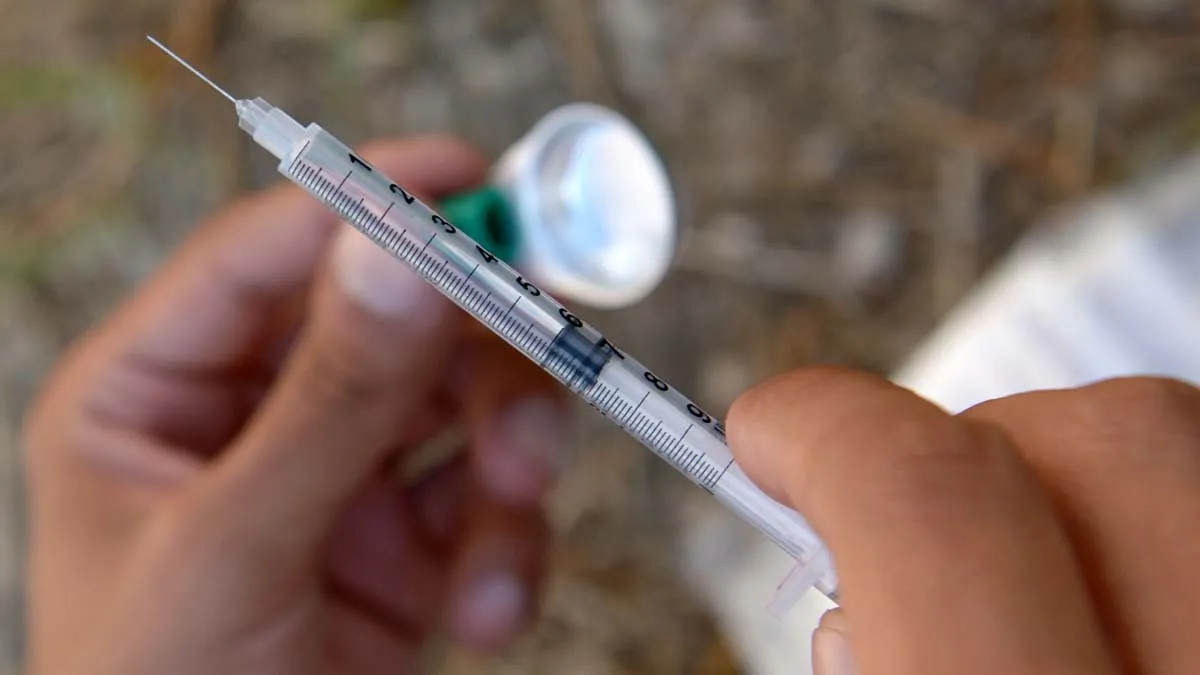
Traces of benzalkonium chloride, a compound used in common hospital disinfectants, were found in his body, as well as in the body of another elderly patient who died in the same hospital room two days later. The discovery sparked a police investigation focussed on the possibility that a staff member was behind the deaths.
Kuboki confessed to “repeatedly” tampering with the drip bags of around 20 patients, but investigators suspect she may have fatally poisoned dozens more.
Between July and late September 2016, 48 patients who died at the hospital were found to have disinfectant chemicals in their system, “including five patients on a single day in late August and four on one day in early September”, the Japan Times reports
According to The Asahi Shimbun newspaper, Kuboki “allegedly accelerated their deaths to avoid the task of explaining the circumstances of the patients’ deaths to relatives falling on her”, telling police she found such interactions “troublesome”.
Sign up to get Today’s Best Articles in your inbox
A free daily email with the day’s biggest news and analysis – and the best features from TheWeek.com
She is said to have told detectives that she targeted sick, elderly patients whom she feared would die during her shift.
The timing of Nishikawa’s death suggests that he was poisoned when Kuboki arrived early for a scheduled night shift. When he died a couple of hours after, a day nurse broke the news to his family.
Other unusual incidents were also recorded at the hospital during this timeframe, including the disappearance of a patient’s records and a nurse who claimed her bottled drink had been spiked with bleach.
A former colleague from a previous hospital said that Kuboki was “considered competent”, but that fellow nurses found it “hard to figure out what she was really thinking”.