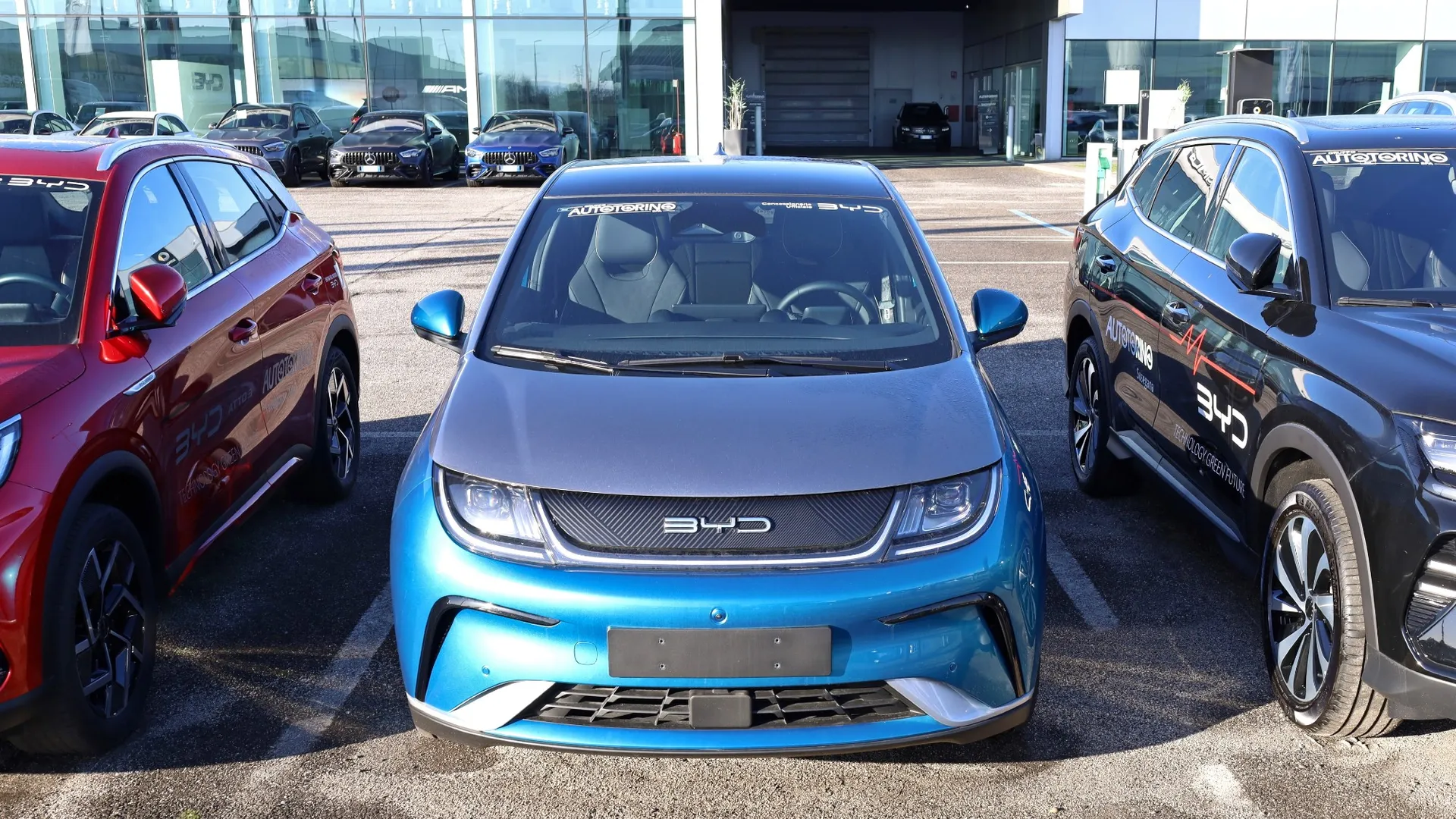
Chinese-made EVs are cheap and increasingly popular around the world but not in the U.S. market where imports are mostly banned. American automakers and their allies in Congress want to keep it that way.
Congress is pushing to “lock Chinese cars out of the U.S. market,” said Autoweek. Michigan Reps. John Moolenaar and Debbie Dingell this week introduced a bill to entrench and expand a Biden-era block on “smart” cars with Chinese-made software systems the lawmakers say is a national security threat.
American automakers are also alarmed by what they see as unfair competition from Beijing-backed companies like BYD, Nio and Geely that have made “steady market share gains in Europe and Mexico,” said Reuters. Geely sells its EX2 EV for $22,500 in Mexico, while the average sale price of a new car in the U.S. is $51,000. Chinese carmakers have “some level of government support, or else they couldn't transact at that price,” Toyota’s David Christ said to the outlet.
The Week
Escape your echo chamber. Get the facts behind the news, plus analysis from multiple perspectives.
SUBSCRIBE & SAVE
Sign up for The Week's Free Newsletters
Join more than 350,000 subscribers and keep yourself informed with a selection of The Week’s most interesting, enlightening and entertaining stories - plus daily puzzles.
Join more than 350,000 subscribers and keep yourself informed with a selection of The Week’s most interesting, enlightening and entertaining stories - plus daily puzzles.
Latest Videos FromThe Week US
‘Common sight in border towns’
Lifting the block on Chinese EVs “could devastate the U.S. auto industry,” Sandy K. Baruah and Glenn Stevens Jr. said at The Detroit News. China has “cunningly” built its carmakers using “vast state subsidies, uncompetitive labor practices and the monopolization of raw materials” to “dominate the global market.” Those practices have created an “unfair playing field” in which Chinese companies now make 62% of all new EV sales globally. “We must not allow that here.”
It is a question of “when, not if” Chinese cars will hit U.S. roads, Katrina Hamlin said at Reuters. The vehicles are “cheaper” and “often snazzier” than what American brands offer, and U.S. drivers “seem keen to buy Chinese cars” as “budget models become increasingly scarce” at home. BYDs purchased in Mexico are already a “common sight in American border towns like El Paso and San Diego” though they cannot be registered in the U.S. The change “looks increasingly like it’s just a matter of time.”
Congress is not buying
“Are cars the next TikTok?” Matthew Choi and Dan Merica said at The Washington Post. Lawmakers are concerned camera, sensor and trip data collected by Chinese smart cars could be shared with Beijing, similar to the fears that forced the sale of TikTok’s American operations to U.S.-based Oracle. President Donald Trump has suggested he would welcome Chinese automakers as long as their cars are “built by Americans in the U.S.” So far, though, “that is not a caveat Congress is buying.”
Chinese carmakers should be allowed “if they agree to conditions,” Bruce Stokes said at Roll Call. They should “hire American union labor” and “buy American-made parts.” They should also share “most advanced Chinese battery and other technologies” with U.S. partner companies and store the “vast amounts data” generated by their cars on U.S.-based servers. The U.S. must strike that deal or risk “being hopelessly shut out of the world market.”