
It’s an overused term, but Frida Kahlo “has become an icon”, said Laura Freeman in The Times. Her likeness is now inescapable and her story, too, is familiar: born in Mexico City in 1907, she took up painting as a teenager, while recovering from a traffic accident that would lead to her losing a leg below the knee.
She had a short but difficult life, compounded by health problems and her tumultuous marriage to the philandering muralist Diego Rivera. She died in relative obscurity in 1954, aged 47; but her works have since become “objects of mass worship and private devotion”.
The Week
Escape your echo chamber. Get the facts behind the news, plus analysis from multiple perspectives.

Sign up for The Week's Free Newsletters
Join more than 350,000 subscribers and keep yourself informed with a selection of The Week’s most interesting, enlightening and entertaining stories - plus daily puzzles.
Join more than 350,000 subscribers and keep yourself informed with a selection of The Week’s most interesting, enlightening and entertaining stories - plus daily puzzles.
-
-
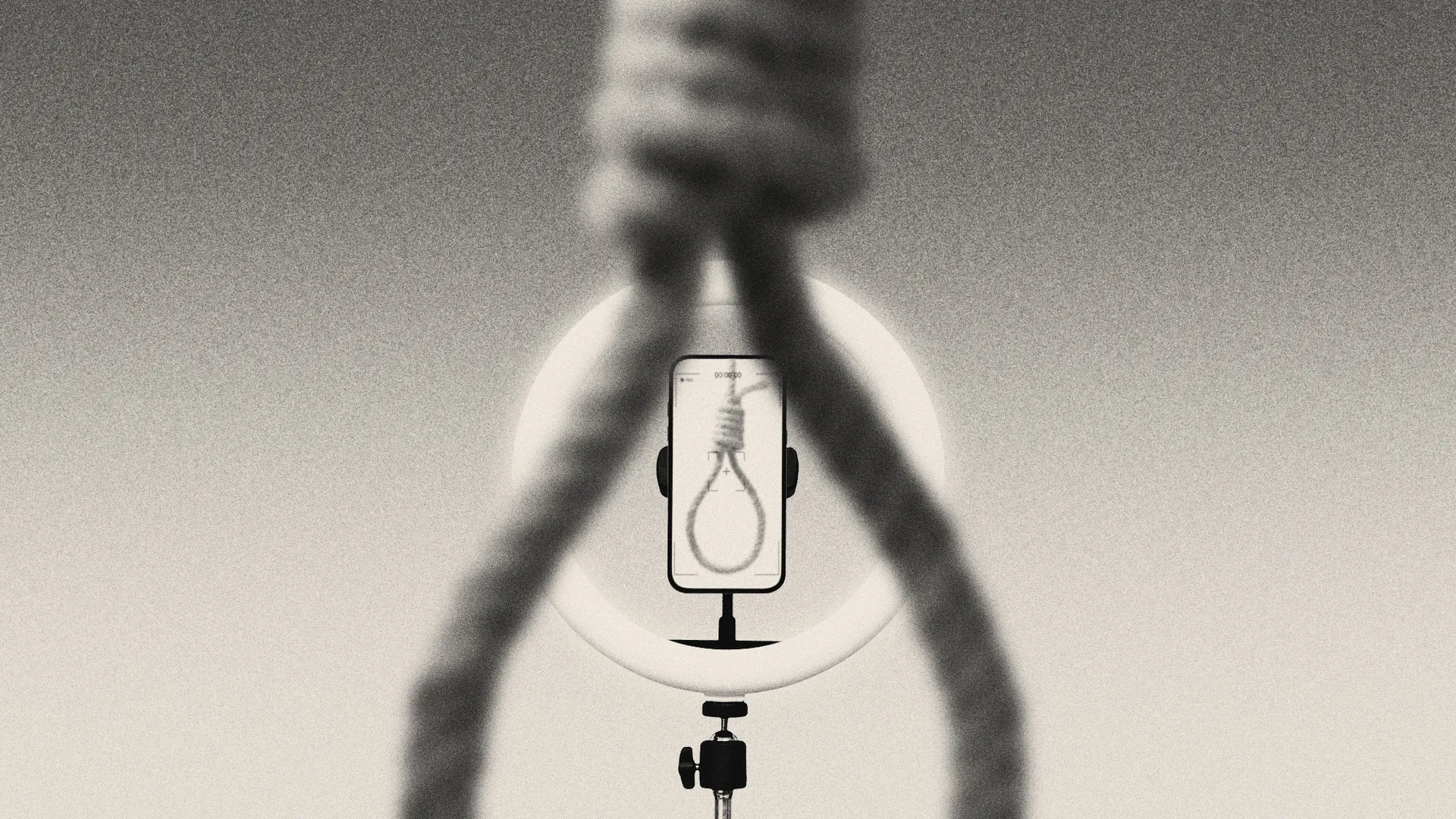 talking pointsLivestreaming an execution: cruelty or added deterrent?
 -
 QUOTE OF THE DAY‘You don’t get to take a man from his family. You don’t get to take his very life, his whole future from him, and just walk away from it. Especially when that man is Tupac Shakur.’
 -
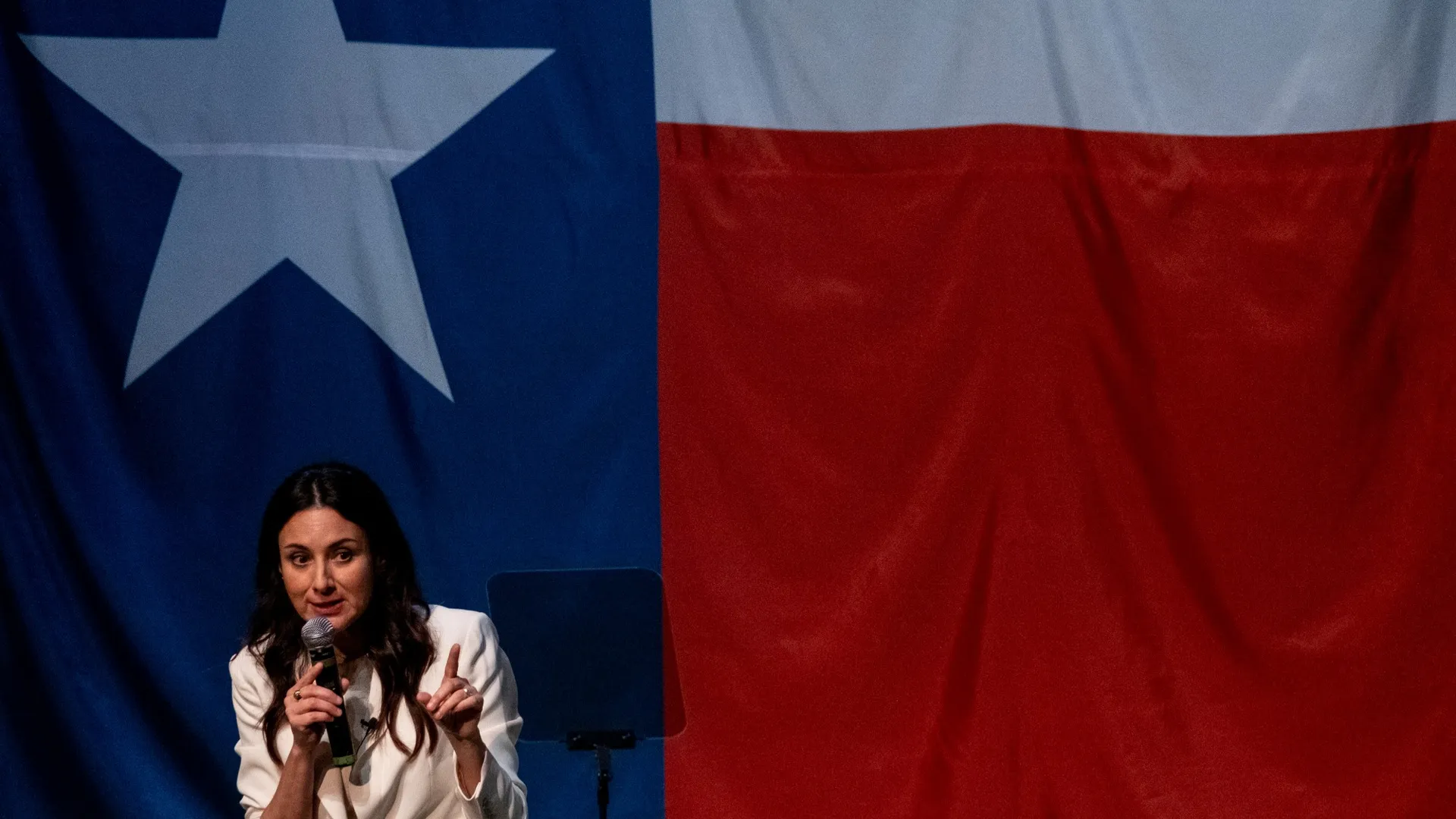 today’s big questionCan a Democrat win the Texas governor’s race?
-
-
-
talking pointsLivestreaming an execution: cruelty or added deterrent?
-
QUOTE OF THE DAY‘You don’t get to take a man from his family. You don’t get to take his very life, his whole future from him, and just walk away from it. Especially when that man is Tupac Shakur.’
-
today’s big questionCan a Democrat win the Texas governor’s race?
-