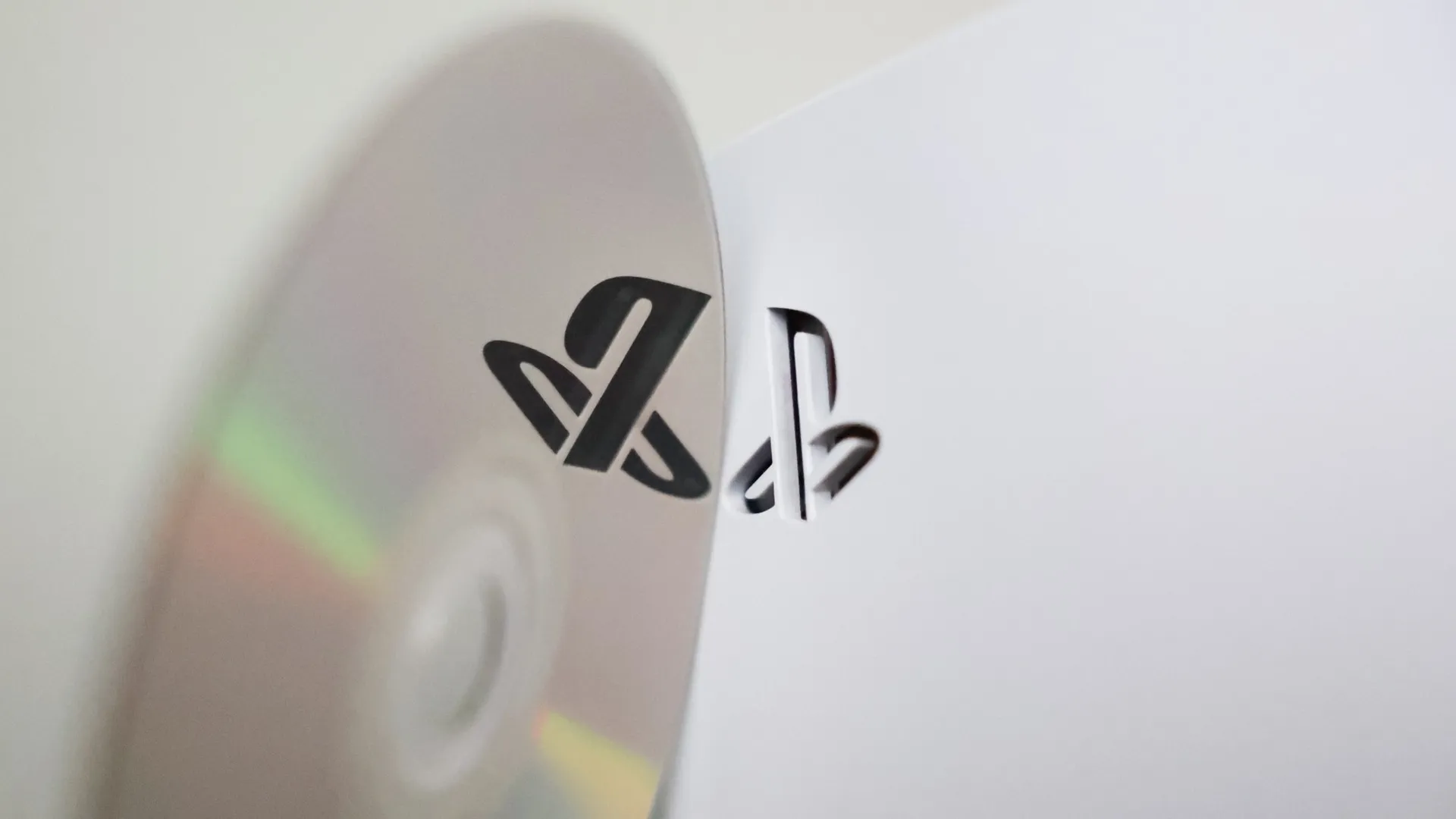
Like all technology, video games continue to evolve. While those advancements have mostly been welcomed, Sony’s recent announcement that it will cease producing physical video games has rattled fans, particularly those who rely on selling and buying used games. The move could be a major setback for the global second-hand gaming market, estimated at nearly $7 billion.
Why is Sony ending physical discs?
The quintessential game disc is “going away, at least on PlayStation,” Kotaku said. Sony, the company behind the iconic console, is set to end production of physical discs for all first-party and third-party PlayStation games in January 2028. Games released before 2028 will “continue to have physical versions, but everything that comes after will be digital-only.”
The majority of all new games are sold digitally, but “many fans still prefer to own their games on discs,” said Kotaku. The end of discs doesn’t “necessarily preclude Sony and other companies from still selling game boxes in brick-and-mortar stores.” They would just have to “download codes inside.” But it’s unclear if the PS6 will “even have a disc drive, either built into the console or as an optional external attachment.”
Sundowning physical media is a “natural direction” for the company to “adapt to consumer trends,” as the “general preference for digital media significantly outpaces physical discs,” Sony said in its announcement. The transition will enable Sony to “align more closely with how most of our community prefers to access and play games today.”
How will second-hand gaming be affected?
One of the biggest losers due to Sony’s decision is the second-hand game market. The market for used games will “keep shrinking and eventually disappear,” Kazunori Ito, the director of equity research at Morningstar, said to CNBC.
If this is the future of gaming, then “brick-and-mortar game retail is doomed,” even though, historically, at least one-third of games have been sold as used, Michael Pachter, the managing director of strategic planning at Wedbush Securities, said to CNBC. This is an “extremely anti-consumer decision” that has no “legitimate justification and communicates a disdain for players,” Michael Futter, the cofounder of video game industry consultancy F-Squared, told the outlet. |