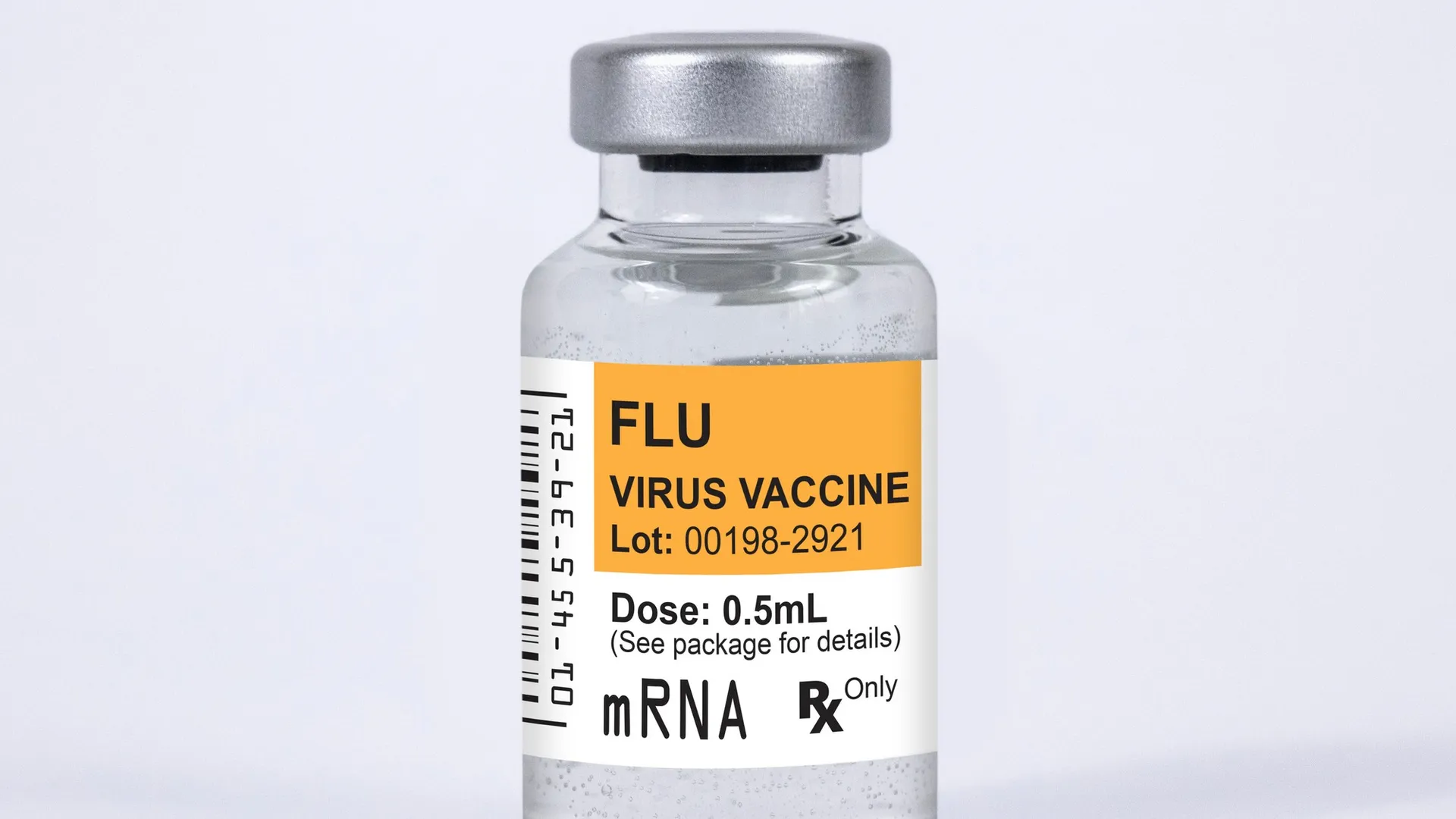
The Food and Drug Administration (FDA) has approved Moderna’s mRNA flu vaccine, mFLUSIVA, despite growing vaccine skepticism. Research shows this new vaccine can produce a stronger immune response and be made faster than the traditional flu shot.
How does this vaccine differ?
The authorization of mFLUSIVA for adults over 50 comes after “documented superiority in effectiveness to normal dose flu vaccines,” particularly for those with “underlying diseases,” said Jesse Goodman, a former top FDA vaccine regulator, to The Washington Post. The vaccine has shown to be almost 27% more effective against the flu than the standard shot.
Traditional vaccines are “typically raised in chicken eggs,” said immunologist Hanover Matz to Science News, and it “takes a long time to generate” them as a result. This method requires policymakers to “determine what the most likely strains of the flu virus are going to be for the fall season in the Northern Hemisphere," and they “need to start that production well before the fall to get the vaccine doses ready.” If there’s a “mismatch in strains, there’s really no way they can go back and update the vaccine and change it.”
By contrast, the mRNA vaccine “instructs the body to produce a fragment of a virus that then sets off the body’s immune response,” said The New York Times. Because the virus does not have to be produced in eggs, mRNA vaccines can be produced much faster and adjusted to “rapidly emerging new flu strains — a capacity we have not had before,” said Georges C. Benjamin, the executive director of the American Public Health Association, to the Times.
What’s the hurdle?
The mRNA technology, notably used in Covid-19 vaccines, has been the subject of widespread anti-vaccine misinformation campaigns. The FDA “refused to even review Moderna’s application for approval earlier this year but quickly reversed course after a public outcry,” said the Times. The approval of mFLUSIVA is still “likely to face pushback,” especially from allies of Health and Human Services Secretary Robert F. Kennedy, Jr. who have “expressed skepticism over mRNA-based coronavirus shots,” said the Post. |