The United Nations is preparing to choose a new secretary-general for the first time in a decade, with seven candidates vying to succeed António Guterres of Portugal. The choice will be made by the U.N. General Assembly, following the recommendation of the Security Council, whose permanent members are China, France, the U.K., Russia and the U.S. But the winner faces a huge challenge, with multiple geopolitical crises and the U.N.’s own status in question.
What does the secretary-general do?
“Equal parts diplomat and advocate, civil servant and CEO,” the secretary-general is both chief administrative officer and the U.N.’s public face, according to the organization’s official description. He or she oversees several important U.N. bodies, including the Security Council, which is charged with maintaining peace and security.
Unlike a prime minister or president, the secretary-general does not have the power to make laws or command countries. The role is more about persuasion, diplomacy and authority than political power.
Who is in the running?
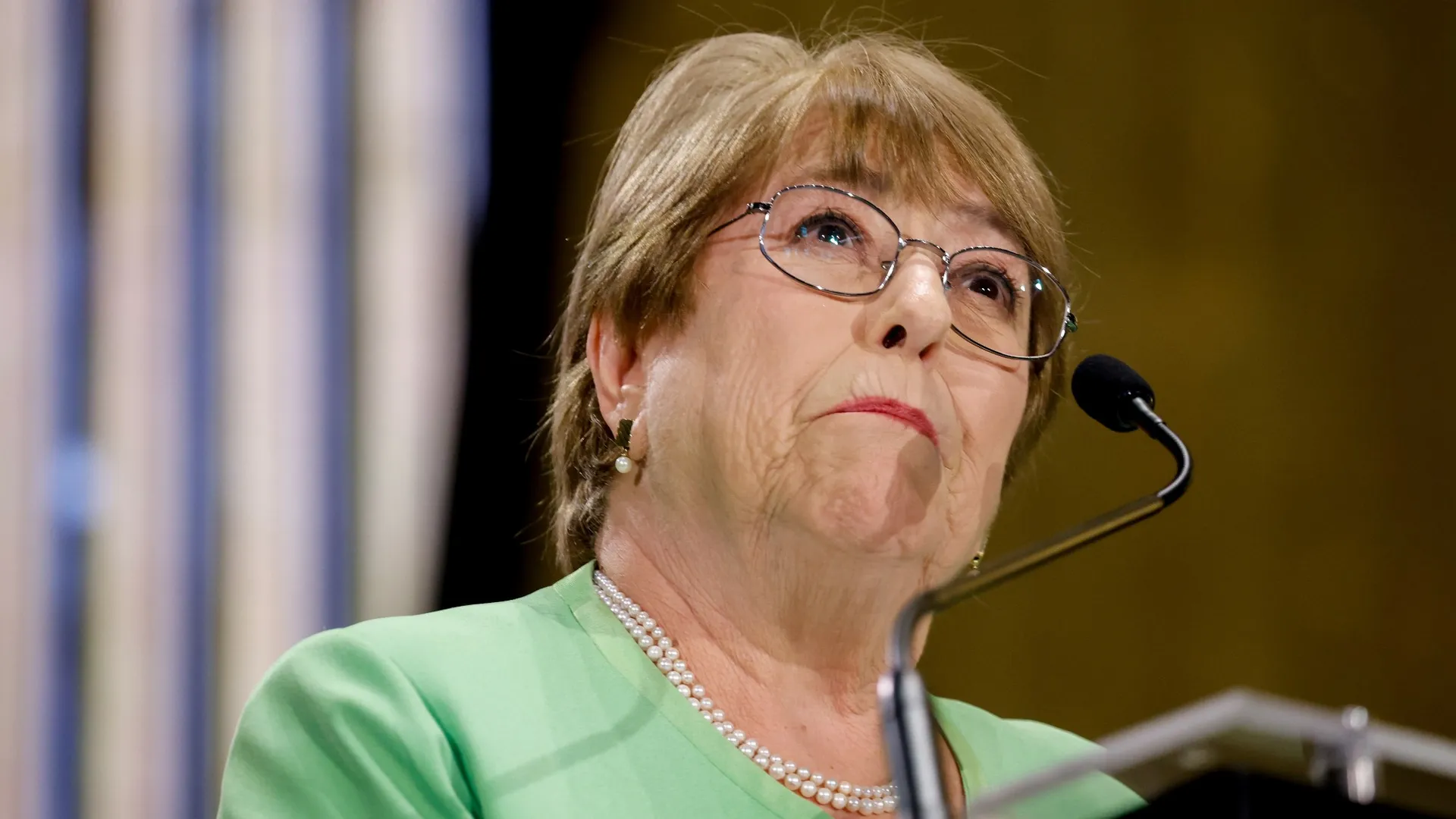
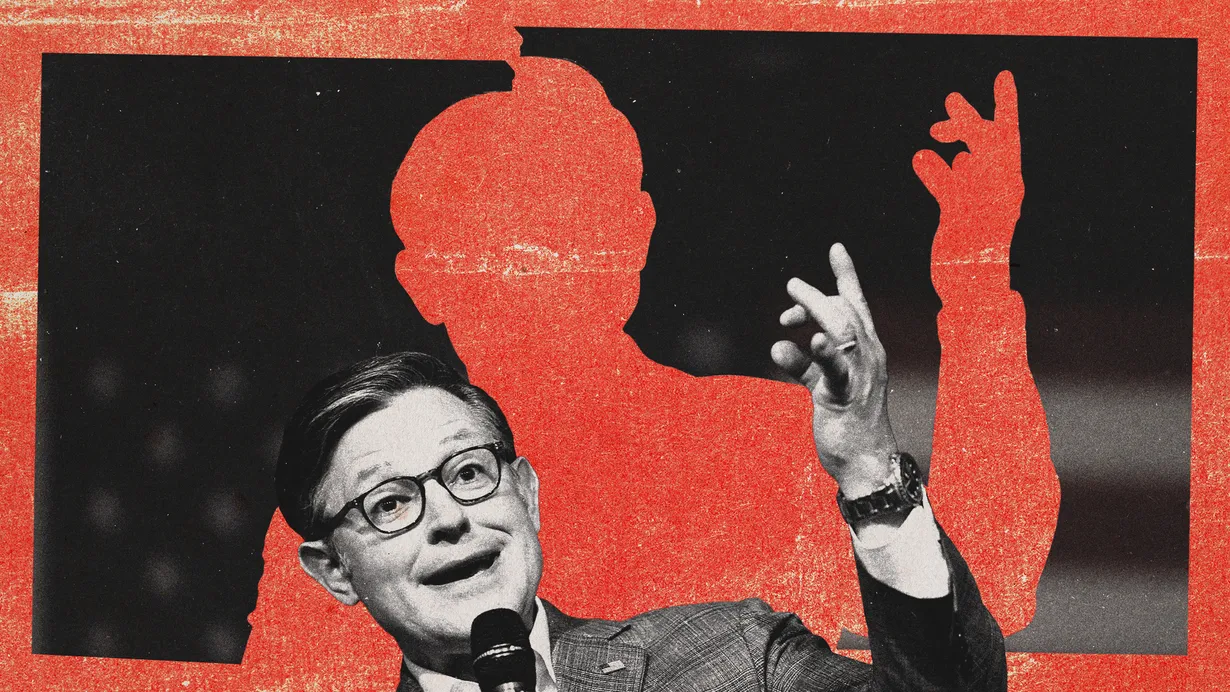
“Calls for a Madame Secretary-General” have been growing “louder,” said the Australian Institute of International Affairs. The women candidates include Michelle Bachelet (pictured above), the former president of Chile; María Fernanda Espinosa, the former foreign minister of Ecuador; Rebeca Grynspan, the former vice president of Costa Rica; and Carolyn Rodrigues Birkett, the former foreign minister of Guyana.
The men in contention are Rafael Grossi, an Argentinian diplomat and the director general of the U.N.’s nuclear watchdog, the International Atomic Energy Agency; Macky Sall, a former prime minister and president of Senegal; and Olara Otunnu, a former Ugandan diplomat and under-secretary-general of the U.N. Observers say it’s “difficult to pick a favorite” because the world’s major powers are “divided on the outcome,” said Agence France-Presse. But Grossi has been “repeatedly mentioned.”
What will be their priorities?
Gaza and Ukraine will be high on the list. But influencing outcomes in either will be a “tough task,” because the “relevance, power and financial capability” of the U.N. is “under an increasingly harsh spotlight,” said Deutsche Welle.
The U.N. is an “increasingly irrelevant global institution,” said Politico. The U.S., its “most powerful member,” is “abandoning and defunding” many parts of its “sprawling structure.” The Security Council “barely functions” because of the “rivalries” between the U.S., China and Russia, all of whom have veto powers. “Even as a venue for international gatherings,” the U.N. is “fading” because leaders would “rather meet and make deals” at the G20. |