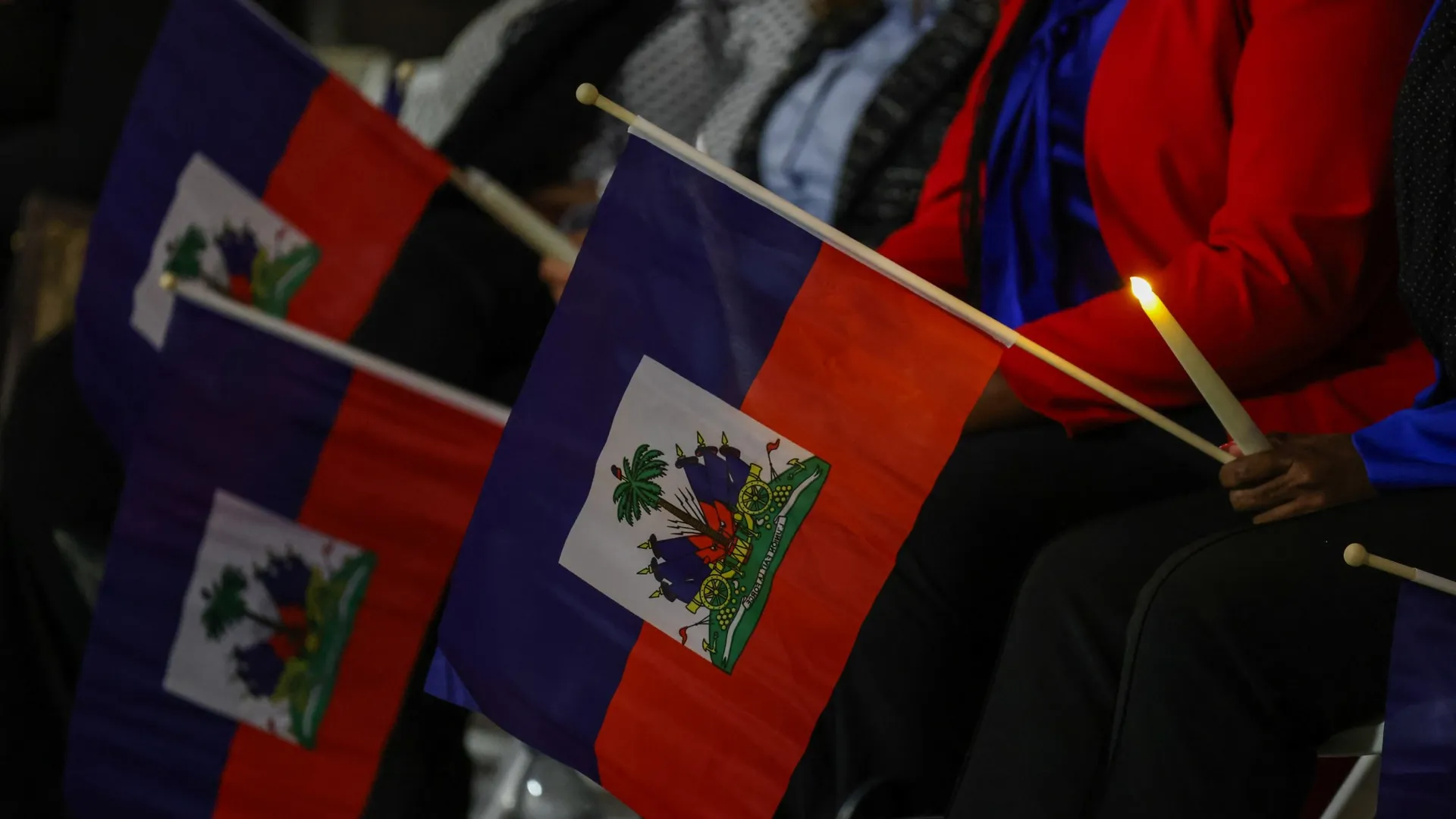
Since the Trump administration ended Temporary Protected Status for Haitian immigrants last month, terminating employment authorization for beneficiaries, South Florida has been bracing for impact. The sudden loss of TPS for so many Haitian employees who reside in the region has hit its economy hard.
What’s happening in Florida?
As a result of the end of TPS for Haitian immigrants, “some home-care agencies have shut down,” said The Wall Street Journal. Nursing homes and assisted living facilities in South Florida are “scrambling to fill vacant positions,” and restaurants are “scaling back operating hours.”
Few industries have been left untouched. Hotels, retailers, airport contractors and small businesses are also struggling with staffing shortages. Of the “roughly 350,000 Haitian TPS holders” in the U.S., almost half live in the state, said the Journal. And about 93,000 of them are part of the state’s workforce, according to the immigrant-rights groups FWD.us, Haitian Bridge Alliance and UndocuBlack Network.
Critics of TPS argue that people with the status “make up a fraction of the overall labor force — a loss the economy can absorb” — and that any difficulties in replacing them could have the “benefit of raising wages.” Their departure creates “real opportunities for less-educated, American-born workers,” said Steven Camarota, the director of research at the Center for Immigration Studies, to the Journal.
Who’s feeling the impact?
Employers and deportees aren’t the only ones feeling the impact. Businesses are “terminating employees with lots of experience,” said Wendi Walsh, the secretary-treasurer of the South Florida hospitality workers’ union Unite Here Local 355, to the Miami Herald. That will “put pressure on the workers left behind.”
The local economy will “miss the workers’ income too,” said the Herald. Haitians on TPS in South Florida provide “$1.5 billion in annual economic contributions, $174 million in annual federal and payroll taxes, and $176 million in annual state and local taxes,” according to Phillip Connor, a research fellow at Princeton University’s Center for Migration and Development, per the outlet.
In South Florida and elsewhere across the nation, many “de-documented” immigrants are “taking refuge in a growing underground economy,” said the Sun Sentinel. Others rely on friends and family to go grocery shopping, “fearing they will be arrested by agents from Immigration and Customs Enforcement.” |