'Sorry to be a free speech absolutist': Elon Musk won't block Russian news sources from Starlink
A free daily email with the biggest news stories of the day – and the best features from TheWeek.com
You are now subscribed
Your newsletter sign-up was successful
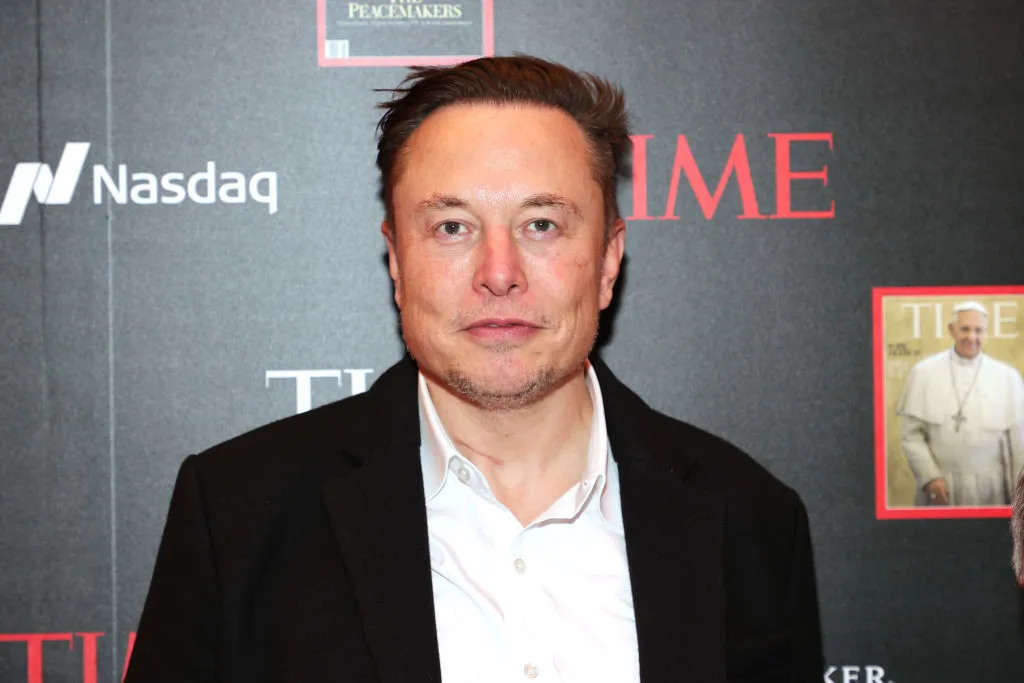
SpaceX founder Elon Musk said Saturday that he would not ban Russian news sources from his Starlink satellite network, Business Insider reported.
"Starlink has been told by some governments (not Ukraine) to block Russian news sources. We will not do so unless at gunpoint," Musk wrote on Twitter. "Sorry to be a free speech absolutist," he added.
Digital communications have become a major battleground in the war between Russia and Ukraine. BBC, CNN, and Bloomberg News have all curtailed their journalistic operations in Russia after President Vladimir Putin signed a law that made spreading "fake" news about the war punishable by 15 years in prison.
The Week
Escape your echo chamber. Get the facts behind the news, plus analysis from multiple perspectives.
Sign up for The Week's Free Newsletters
From our morning news briefing to a weekly Good News Newsletter, get the best of The Week delivered directly to your inbox.
The Russian government blocked Facebook after the social network fact checked reports from Russian state media and has also restricted access to BBC and Voice of America, according to Reuters. Google has suspended all ad sales in Russia.
Despite his refusal to prevent Russian propaganda from being carried on his satellites, Musk has also entered the communications fray on the side of Ukraine. Space.com reports that Musk "sent Starlink terminals to Ukraine at the request of a government official after internet service was disrupted across the country by the Russian invasion."
Musk said Friday that Russian forces were attempting to jam these terminals but that a new software update had resolved the problem.
Also on Friday, Musk tweeted "Hold Strong Ukraine," along with several Ukrainian flag emojis, and expressed his "sympathies to the great people of Russia, who do not want this."
A free daily email with the biggest news stories of the day – and the best features from TheWeek.com
Grayson Quay was the weekend editor at TheWeek.com. His writing has also been published in National Review, the Pittsburgh Post-Gazette, Modern Age, The American Conservative, The Spectator World, and other outlets. Grayson earned his M.A. from Georgetown University in 2019.
-
Local elections 2026: where are they and who is expected to win?The Explainer Labour is braced for heavy losses and U-turn on postponing some council elections hasn’t helped the party’s prospects
-
6 of the world’s most accessible destinationsThe Week Recommends Experience all of Berlin, Singapore and Sydney
-
How the FCC’s ‘equal time’ rule worksIn the Spotlight The law is at the heart of the Colbert-CBS conflict
-
Are AI bots conspiring against us?Talking Point Moltbook, the AI social network where humans are banned, may be the tip of the iceberg
-
Elon Musk’s pivot from Mars to the moonIn the Spotlight SpaceX shifts focus with IPO approaching
-
Moltbook: the AI social media platform with no humans allowedThe Explainer From ‘gripes’ about human programmers to creating new religions, the new AI-only network could bring us closer to the point of ‘singularity’
-
Will regulators put a stop to Grok’s deepfake porn images of real people?Today’s Big Question Users command AI chatbot to undress pictures of women and children
-
Australia’s teen social media ban takes effectSpeed Read Kids under age 16 are now barred from platforms including YouTube, TikTok, Instagram, Facebook, Snapchat and Reddit
-
Inside a Black community’s fight against Elon Musk’s supercomputerUnder the radar Pollution from Colossal looms over a small Southern town, potentially exacerbating health concerns
-
X update unveils foreign MAGA boostersSpeed Read The accounts were located in Russia and Nigeria, among other countries
-
Why Britain is struggling to stop the ransomware cyberattacksThe Explainer New business models have greatly lowered barriers to entry for criminal hackers