Sign up to get Today’s Best Articles in your inbox
Join 350,000+ subscribers and keep yourself informed with a selection of
The Week’s most interesting, enlightening and entertaining stories - plus daily puzzles.
You are now subscribed
Your newsletter sign-up was successful
Want to add more newsletters?
An account already exists for this email address, please log in.
Smaller landlords say they're 'drowning' amid eviction ban
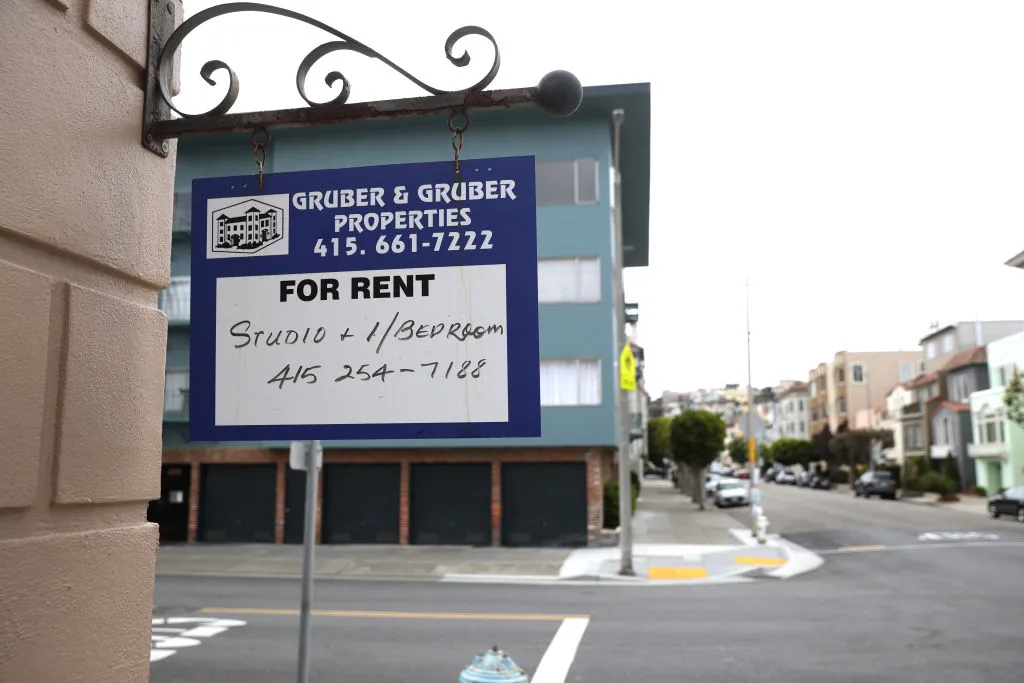
"Mom and pop" landlords, who run a majority of properties in the United States, are taking a larger hit than their more sizable counterparts as a result of the pandemic-related federal eviction moratorium, and they're growing increasingly frustrated with the government response, Politico reports.
Jay Parsons, a rental housing economist at property management software provider RealPage, told Politico that data he's analyzed show that "the smaller the property, the lower the rent collections." He noted that buildings with fewer than 100 units have markedly lower collection rates than larger properties.
For instance, Matthew Haines, a Dallas property owner, owns three apartment buildings with his wife that have fewer than 100 units and average rents between $780 and $950 per month for a one-bedroom. Typically, after overhead, the couple brings in about $32,000 a year from the buildings, but since the coronavirus took hold in the U.S. early last year, Haines told Politico they've accrued $250,000 in debt after rental payments slowed. He said they had to take $50,000 out of their personal savings to keep one of the properties going without laying off any of their 10 employees. "We're doing everything the right way," Haines said. "But we're drowning."
The Week
Escape your echo chamber. Get the facts behind the news, plus analysis from multiple perspectives.
Join more than 350,000 subscribers and keep yourself informed with a selection of The Week’s most interesting, enlightening and entertaining stories - plus daily puzzles.
Join more than 350,000 subscribers and keep yourself informed with a selection of The Week’s most interesting, enlightening and entertaining stories - plus daily puzzles.
The eviction moratorium has come to the forefront in recent weeks, as Democrats pushed President Biden to extend the deadline to protect renters who can't afford to make their payments. The Centers for Disease Control and Prevention eventually did just that, though the constitutionality of the extension is questionable (a federal judge upheld the ban as it awaits ruling in higher courts). The White House's goal, however, is to use the legal to process to allow time for the administration and state governments to distribute rent relief, Axios notes. Read more at Politico.
Sign up to get Today’s Best Articles in your inbox
A free daily email with the day’s biggest news and analysis – and the best features from TheWeek.com
Tim is a staff writer at The Week and has contributed to Bedford and Bowery and The New York Transatlantic. He is a graduate of Occidental College and NYU's journalism school. Tim enjoys writing about baseball, Europe, and extinct megafauna. He lives in New York City.