Travelling in convoy across the Humber bridge, the electric heavy trucks in the photo above are part of the UK’s biggest fleet of eHGVs, operated by Amazon and moving deliveries around its UK logistics network. Amazon touches the daily lives of millions of customers, in the UK and beyond. It long ago transcended its humble bookseller origins and now operates across e-commerce, cloud computing and even digital streaming. That scale brings convenience and speed, but it also brings responsibility. In a region where environmental expectations are high and regulatory scrutiny is increasing, the question is not whether large companies should act on sustainability, but how credibly and how quickly.
For Amazon, sustainability is not separate from their customer obsession, it’s an extension of it. Amazon believes that solutions that benefit the environment can create superior experiences for their customers and become economic drivers that help strengthen communities and protect the planet. Customers do not experience carbon accounting frameworks or corporate pledges; they experience the box on their doorstep and the vehicle that delivers it. That is one of the areas where Amazon is focusing its efforts, reducing packaging waste and lowering transport emissions in ways that customers can see, measure and feel.
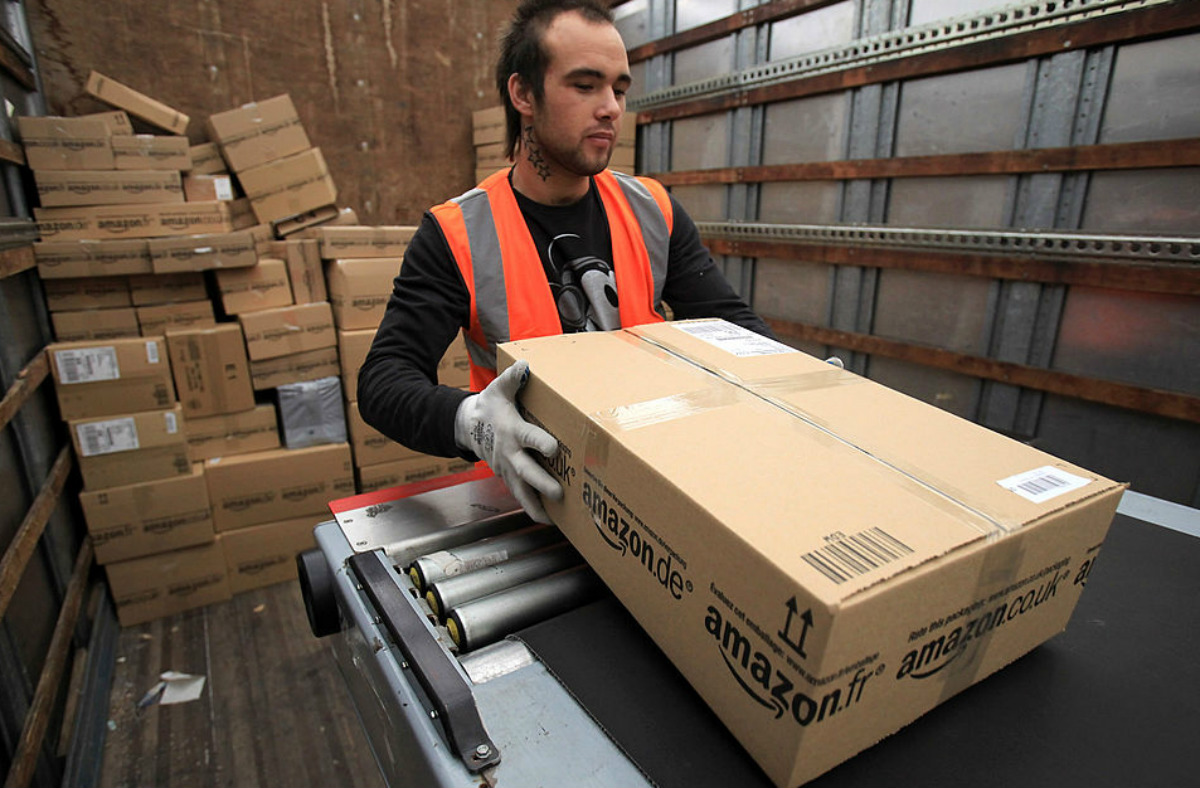
Packaging has become one of the clearest signs of that progress for Amazon. Today, more than 50% of Amazon deliveries across Europe now come with less packaging, or no added packaging at all. Redesigning packaging and eliminating unnecessary materials means Amazon is reducing waste before it is created, not just managing it afterwards. In fact, Amazon has avoided the use of more than 4 million tonnes of packaging since 2015 thanks to its packaging reduction initiatives. The focus is simple and should be for all retailers: use less material, make what remains recyclable, and remove plastic where possible. Customers will have inevitably noticed that in the UK, single-use plastic delivery bags and envelopes have been phased out, and all packaging used in Europe is now 100% recyclable.
Transportation is another key part of Amazon’s sustainability strategy in the UK, and Europe. At the end of 2025, Amazon and its delivery partners had more than 10,000 electric vans making deliveries to customers across European cities and communities, helping to reduce exhaust emissions in the places where customers live.
But the transformation is not limited to vans. In February 2026, Amazon announced a milestone of 100 million deliveries across Europe completed using electric cargo bikes, electric mopeds and push carts for on-foot deliveries. In the UK, those smaller vehicles operate from hubs in London, Manchester, Norwich, Belfast and Glasgow. They are ideally suited to weaving through historic centres and dense residential neighbourhoods where traditional delivery vehicles struggle to operate.
Additionally, as part of a record-breaking order in January 2025, there will be a total of 160 electric trucks on UK roads once fully deployed, making Britain home to the highest number of eHGVs in Amazon's global transportation network.
So, what’s the long-term vision? Amazon is a co-founder of The Climate Pledge and is one of more than 600 signatories (160 of which are British) who have set a goal to reach net-zero carbon by 2040. In Europe, the direction of travel is clear: reduce packaging, decarbonise transport, and continue lowering emissions across operations in ways that are practical and measurable.
“We recognise that progress will not always be linear,” said Amazon’s chief sustainability officer, Kara Hurst, “but we remain focused on serving our customers better, faster, and with fewer emissions.”


 Drones and drills: why Lithuania is feeling vulnerable
 The week’s best photos
 The Week Unwrapped: Is there such a thing as ‘ethical’ gold mining?


 What are the Magnificent Seven stocks and why do they matter?
 How to avoid overspending on Prime Day
 Britons spend more online than anyone else in world
 Technology shares in decline: Dotbomb 2.0 or slow puncture?


 talking pointsAfter Pike disaster, is it time to rethink death penalty?
 QUOTE OF THE DAY‘What it actually means in the American context is you want to replace American workers with foreign workers and you want boys to play in girls’ sports.’
 the explainerJustice Dept. launches largest-ever effort to strip citizenship