Has the Iran war supercharged China’s ‘electrostate’ power?
The current oil shock plays to Beijing’s dominance in renewable energy

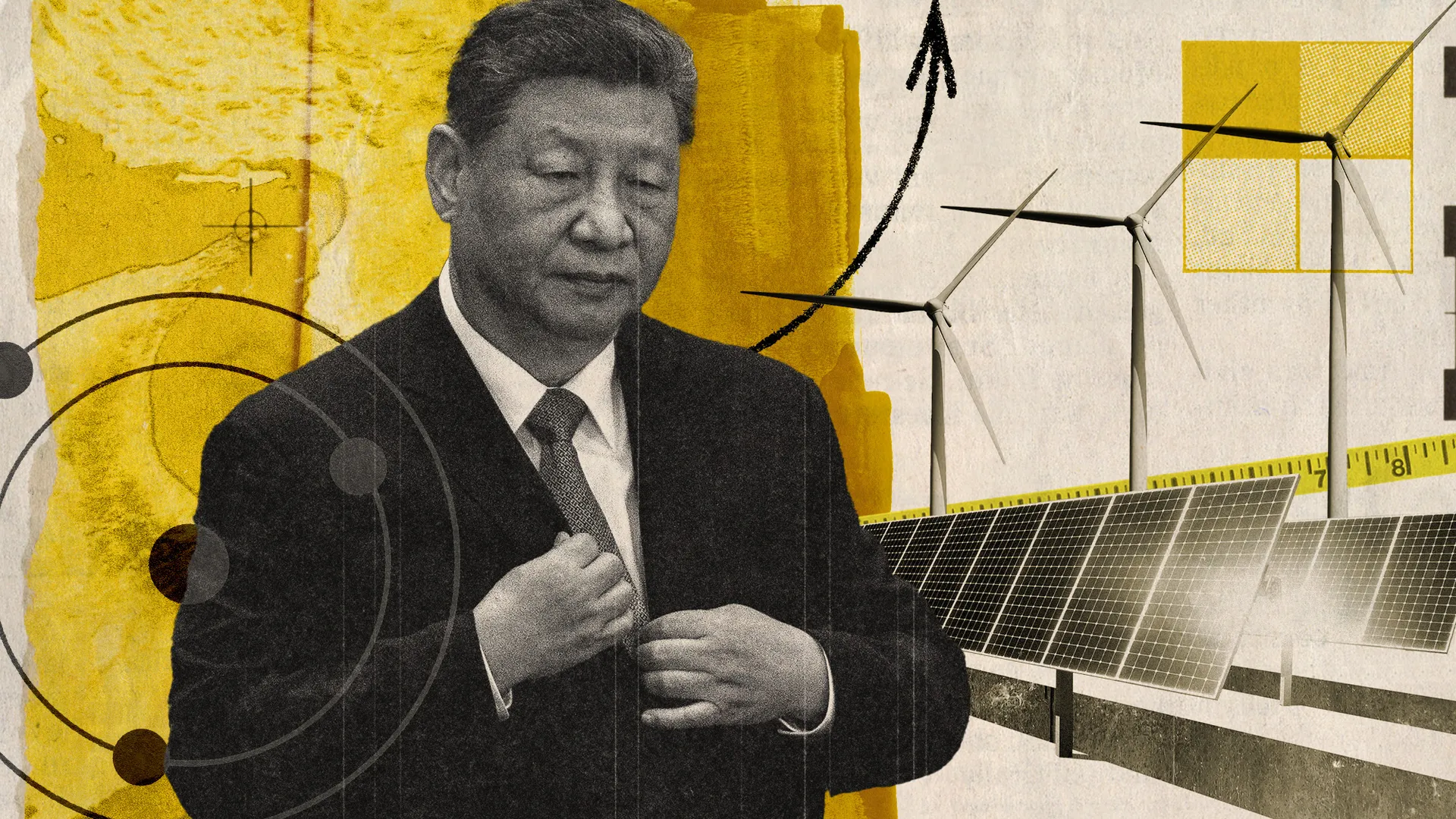
The world is reeling from a war-induced oil shock, and China is poised to take advantage. The country builds nearly every component of the 21st-century electrical grid that will be needed to replace the oil currently bottled up in the Strait of Hormuz.
European and Asian countries facing oil shortages are realizing that “all paths to renewable power run through China and its exporters,” said The New York Times. Beijing has for decades “poured hundreds of billions of dollars into green energy” in its drive for energy independence, and its companies lead the world in producing solar panels, batteries and other equipment. The U.S. war against Iran will “catalyze even more investment and interest in renewables,” said Cory Combs, of analysis firm Trivium China, to the outlet. If Russia and Middle Eastern countries that produce the world’s oil are known as petrostates, China might be the world’s first electrostate.
The Week
Escape your echo chamber. Get the facts behind the news, plus analysis from multiple perspectives.

Sign up for The Week's Free Newsletters
Join more than 350,000 subscribers and keep yourself informed with a selection of The Week’s most interesting, enlightening and entertaining stories - plus daily puzzles.
Join more than 350,000 subscribers and keep yourself informed with a selection of The Week’s most interesting, enlightening and entertaining stories - plus daily puzzles.
What did the commentators say?
What next?

-
-
 talking pointsAfter Pike disaster, is it time to rethink death penalty?
 -
 QUOTE OF THE DAY‘What it actually means in the American context is you want to replace American workers with foreign workers and you want boys to play in girls’ sports.’
 -
 the explainerJustice Dept. launches largest-ever effort to strip citizenship
-
-
-
talking pointsAfter Pike disaster, is it time to rethink death penalty?
-
QUOTE OF THE DAY‘What it actually means in the American context is you want to replace American workers with foreign workers and you want boys to play in girls’ sports.’
-
the explainerJustice Dept. launches largest-ever effort to strip citizenship
-