Sign up to get Today’s Best Articles in your inbox
Join 350,000+ subscribers and keep yourself informed with a selection of
The Week’s most interesting, enlightening and entertaining stories - plus daily puzzles.
You are now subscribed
Your newsletter sign-up was successful
Want to add more newsletters?
An account already exists for this email address, please log in.
Does Trump want to win the midterms?
He is not making it easy on Republicans in the House and Senate
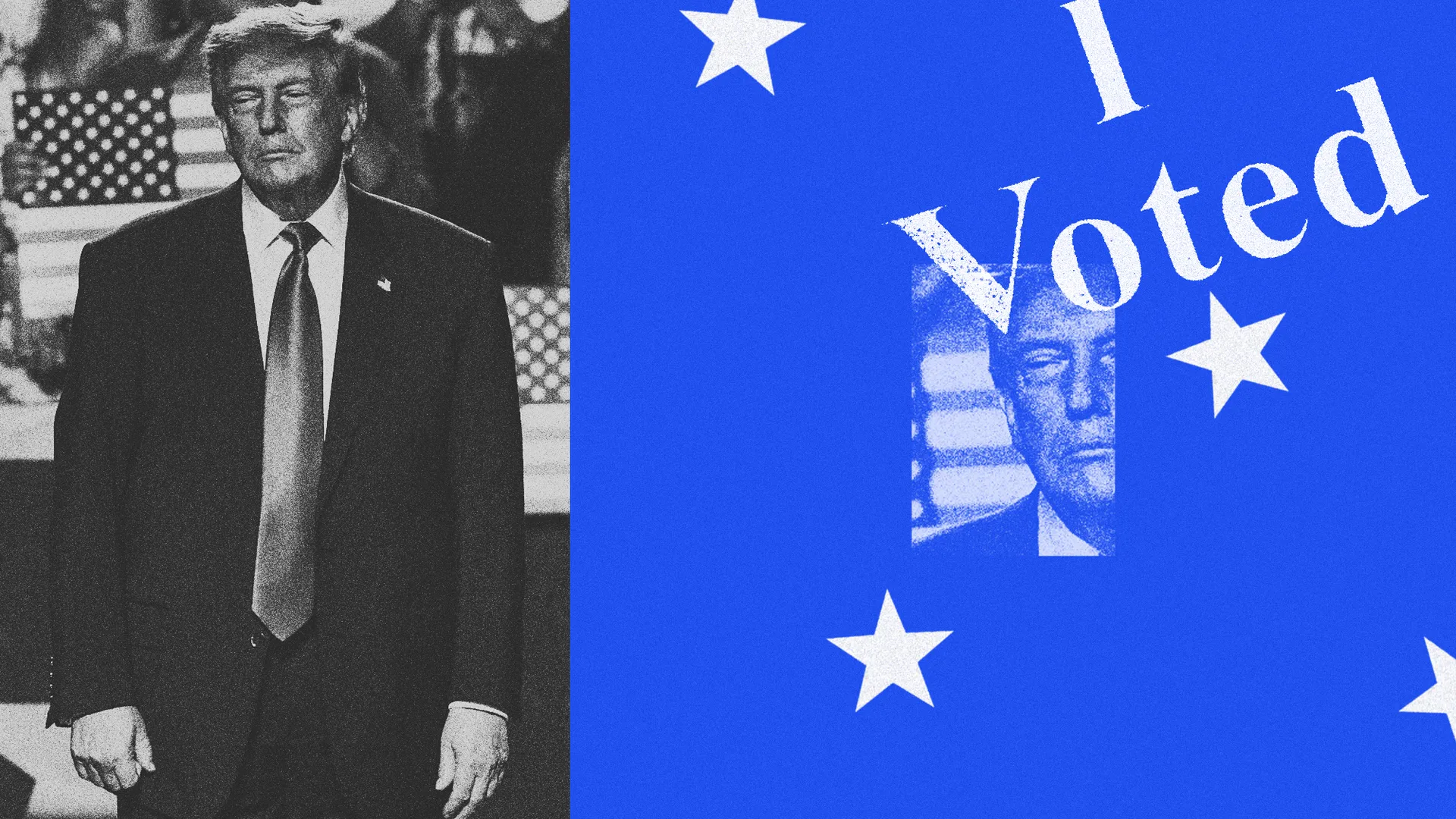
President Donald Trump last week promised to send $5,000 checks to Americans if Republicans win the midterm elections. But he is seemingly intent on making the election a referendum on his increasingly unpopular presidency, doubling down on policies — data centers, tariffs, war with Iran — disfavored by voters. That leads some observers to wonder if he really cares about GOP victories in November.
What did the commentators say?
Trump is “not spending a ton of his mind share on the races,” White House reporter Maggie Haberman said to The New York Times. The president believes GOP candidates “should be doing more to defend what he sees as his many accomplishments,” and he is committing the bulk of his time to “legacy projects” like the “triumphal arch, the ballroom on the White House complex, his goldification of the Oval Office” instead of policy and governance.
Trump has reportedly told advisers that he is “proud” that Republican candidates “don’t do as well when he’s not on the ballot,” said Haberman. His administration’s efforts to exert control over the elections process, however, remains a “significant X-factor” in the midterm election outcome.
The Week
Escape your echo chamber. Get the facts behind the news, plus analysis from multiple perspectives.
Join more than 350,000 subscribers and keep yourself informed with a selection of The Week’s most interesting, enlightening and entertaining stories - plus daily puzzles.
Join more than 350,000 subscribers and keep yourself informed with a selection of The Week’s most interesting, enlightening and entertaining stories - plus daily puzzles.
House and Senate candidates usually try to “detach themselves from the national brand” when their party’s president is down in the polls, Jonathan Chait said at The Atlantic. Trump is making that “impossible,” launching a national ad campaign “focused on himself” and holding last week’s GOP convention highlighting the “synonymity of the party and its leader” to voters. The president “probably” cares about the midterms outcome “but not enough to permit Republicans to acknowledge his lack of popularity.” All of this makes sense if it is understood that “Trump’s interest in politics is purely egocentric.” But it leaves Republican candidates in a tough spot.
The president’s ideological allies are also perplexed. Trump “often sounds as if he’s campaigning against the Republican Senate,” The Wall Street Journal said in an editorial. GOP seats in “at least six races are in serious jeopardy,” and even traditional red states like Kansas and Nebraska are looking shaky for Republicans. But Trump has made it difficult for his party by launching a “tariff brawl” with Canada and working to oust GOP incumbents like Sen. John Cornyn of Texas. If Republicans lose their majority in the Senate, Trump will be the “main reason” why.
What next?
The president is “signaling that he might not accept the outcome” if Republicans lose in November, Bruce Stokes said at Chatham House. A Democratic win in the House or Senate would likely lead to two years of investigations into Trump’s “corporate donors and alleged ‘pay-to-play’ arrangements, and investments by foreign sovereign wealth funds in Trump family-linked businesses.” That provides a “powerful incentive” for Trump to “undermine the outcome of the election.” American democracy “may never be quite the same again” if the president tries once again to reject an election loss.
Sign up to get Today’s Best Articles in your inbox
A free daily email with the day’s biggest news and analysis – and the best features from TheWeek.com
Joel Mathis is a writer with 30 years of newspaper and online journalism experience. His work also regularly appears in National Geographic and The Kansas City Star. His awards include best online commentary at the Online News Association and (twice) at the City and Regional Magazine Association.