Texas Senate race increasingly hinges on what it means to be a man
Republicans have made Democrat James Talarico’s masculinity a central issue in a contentious Texas Senate battle

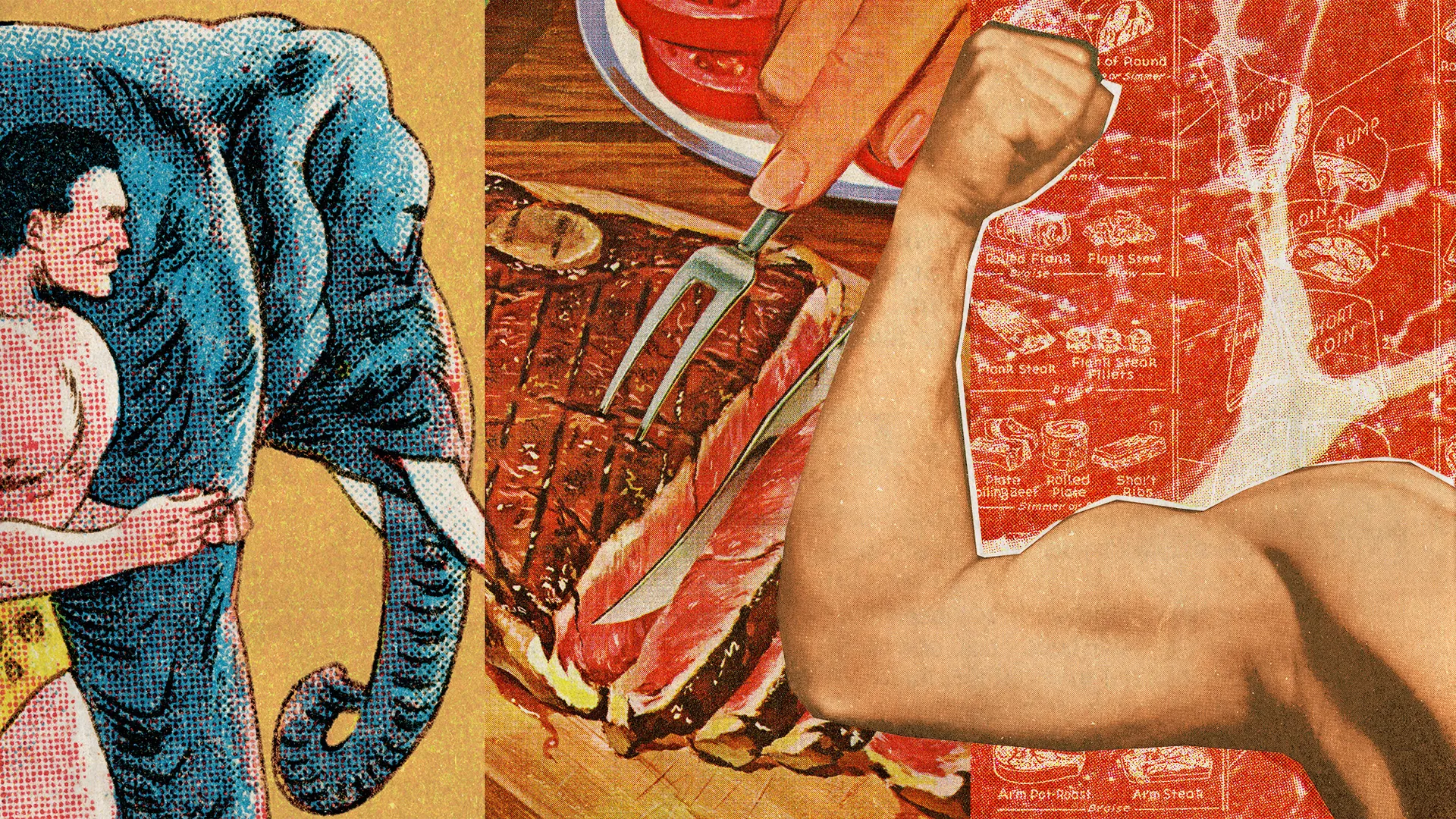
“Tofu Talarico.” “Six-Gender Jimmy.” “James Talafreako.” These are just some of the nicknames allies of Texas Republican Senate nominee Ken Paxton have levied against his Democrat competitor, James Talarico.
Paxton himself attacked Talarico as being “too low-T for Texas” in a campaign ad that accuses his opponent of being a “threat to everything we hold dear.” Now, by deploying these aggressively gendered lines of attack against Talarico, Republicans have positioned dueling definitions of masculinity as a key issue in one of the most combative campaigns of this election year.
‘Obviously coordinated and unusually overt’
The Week
Escape your echo chamber. Get the facts behind the news, plus analysis from multiple perspectives.

Sign up for The Week's Free Newsletters
Join more than 350,000 subscribers and keep yourself informed with a selection of The Week’s most interesting, enlightening and entertaining stories - plus daily puzzles.
Join more than 350,000 subscribers and keep yourself informed with a selection of The Week’s most interesting, enlightening and entertaining stories - plus daily puzzles.
’Rather strange vision of masculinity’

-
-
 talking pointsAfter Pike disaster, is it time to rethink death penalty?
 -
 QUOTE OF THE DAY‘What it actually means in the American context is you want to replace American workers with foreign workers and you want boys to play in girls’ sports.’
 -
 the explainerJustice Dept. launches largest-ever effort to strip citizenship
-
-
-
talking pointsAfter Pike disaster, is it time to rethink death penalty?
-
QUOTE OF THE DAY‘What it actually means in the American context is you want to replace American workers with foreign workers and you want boys to play in girls’ sports.’
-
the explainerJustice Dept. launches largest-ever effort to strip citizenship
-