An amateur astronomer spotted a new moon orbiting Jupiter

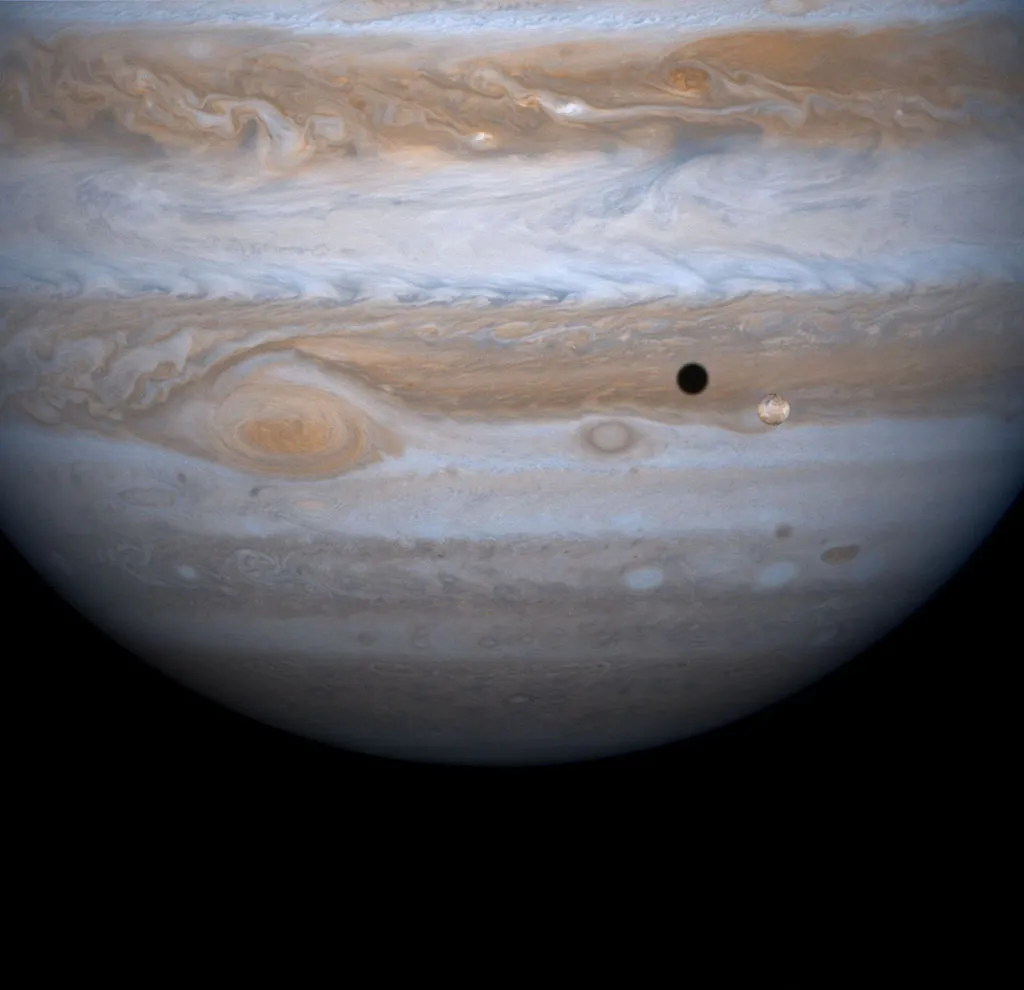
From millions and millions of miles away, amateur astronomer Kai Ly made a big discovery.
In June, Ly began looking closely at telescope images of Jupiter taken by the Canada-France-Hawaii Telescope in 2003. Jupiter is the largest planet in the solar system, with 79 acknowledged moons, and Ly was curious to find any new ones. While studying images from the night of Feb. 24, Ly spotted three possible moons. Moving on to images captured a few days later, Ly couldn't see two of those potential moons, but did see the third, Sky and Telescope reports.
The Week
Escape your echo chamber. Get the facts behind the news, plus analysis from multiple perspectives.

Sign up for The Week's Free Newsletters
From our morning news briefing to a weekly Good News Newsletter, get the best of The Week delivered directly to your inbox.
From our morning news briefing to a weekly Good News Newsletter, get the best of The Week delivered directly to your inbox.

-
 Political cartoons for January 18
Cartoons Sunday’s political cartoons include cost of living, endless supply of greed, and more
-
 Exploring ancient forests on three continents
The Week Recommends Reconnecting with historic nature across the world
-
 How oil tankers have been weaponised
The Explainer The seizure of a Russian tanker in the Atlantic last week has drawn attention to the country’s clandestine shipping network


-
 The ‘eclipse of the century’ is coming in 2027
Under the radar It will last for over 6 minutes
-
 NASA discovered ‘resilient’ microbes in its cleanrooms
Under the radar The bacteria could contaminate space
-
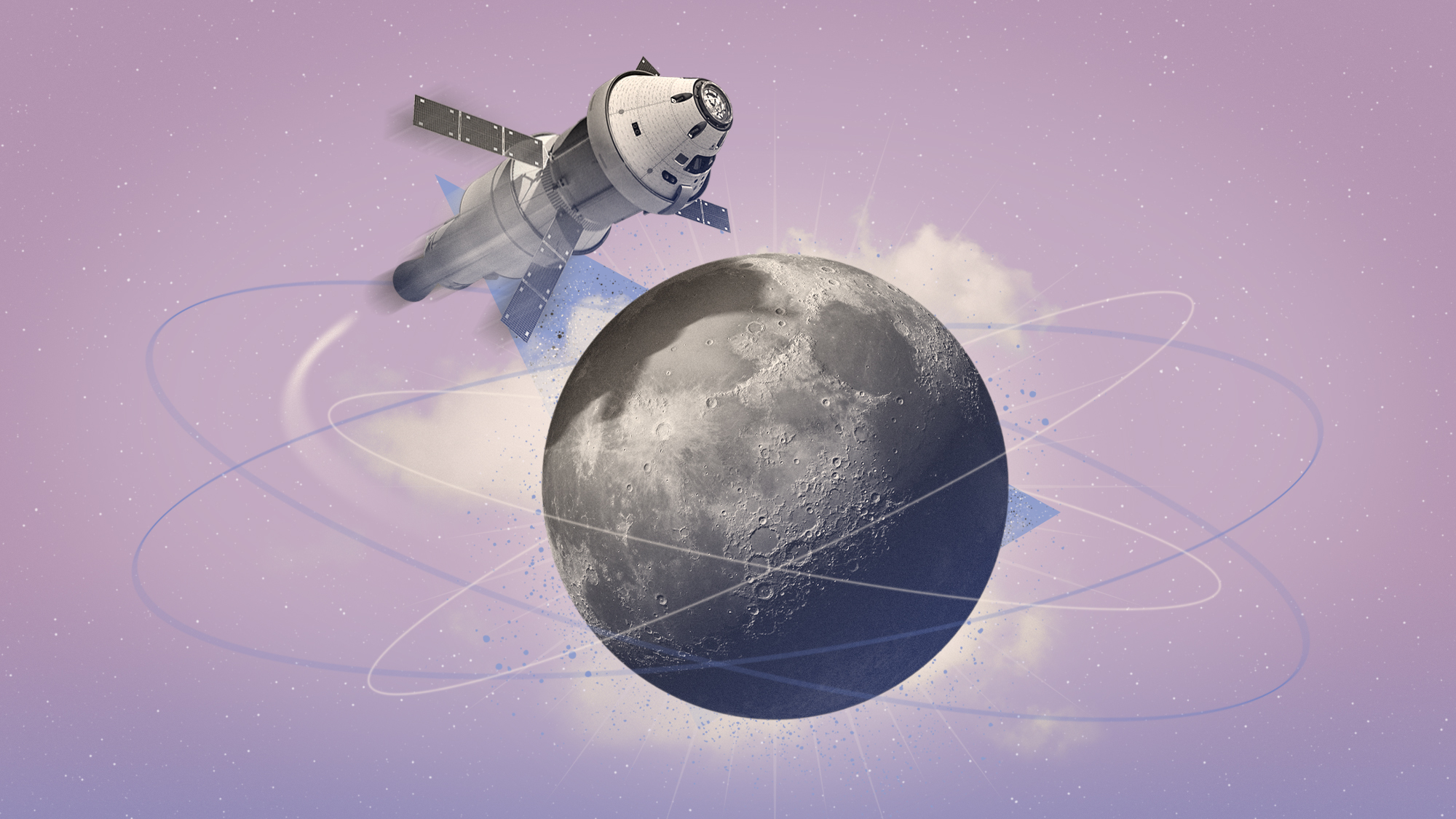 Artemis II: back to the Moon
The Explainer Four astronauts will soon be blasting off into deep space – the first to do so in half a century
-
 The mysterious origin of a lemon-shaped exoplanet
Under the radar It may be made from a former star
-
 The 5 biggest astronomy stories of 2025
In the spotlight From moons, to comets, to pop stars in orbit
-
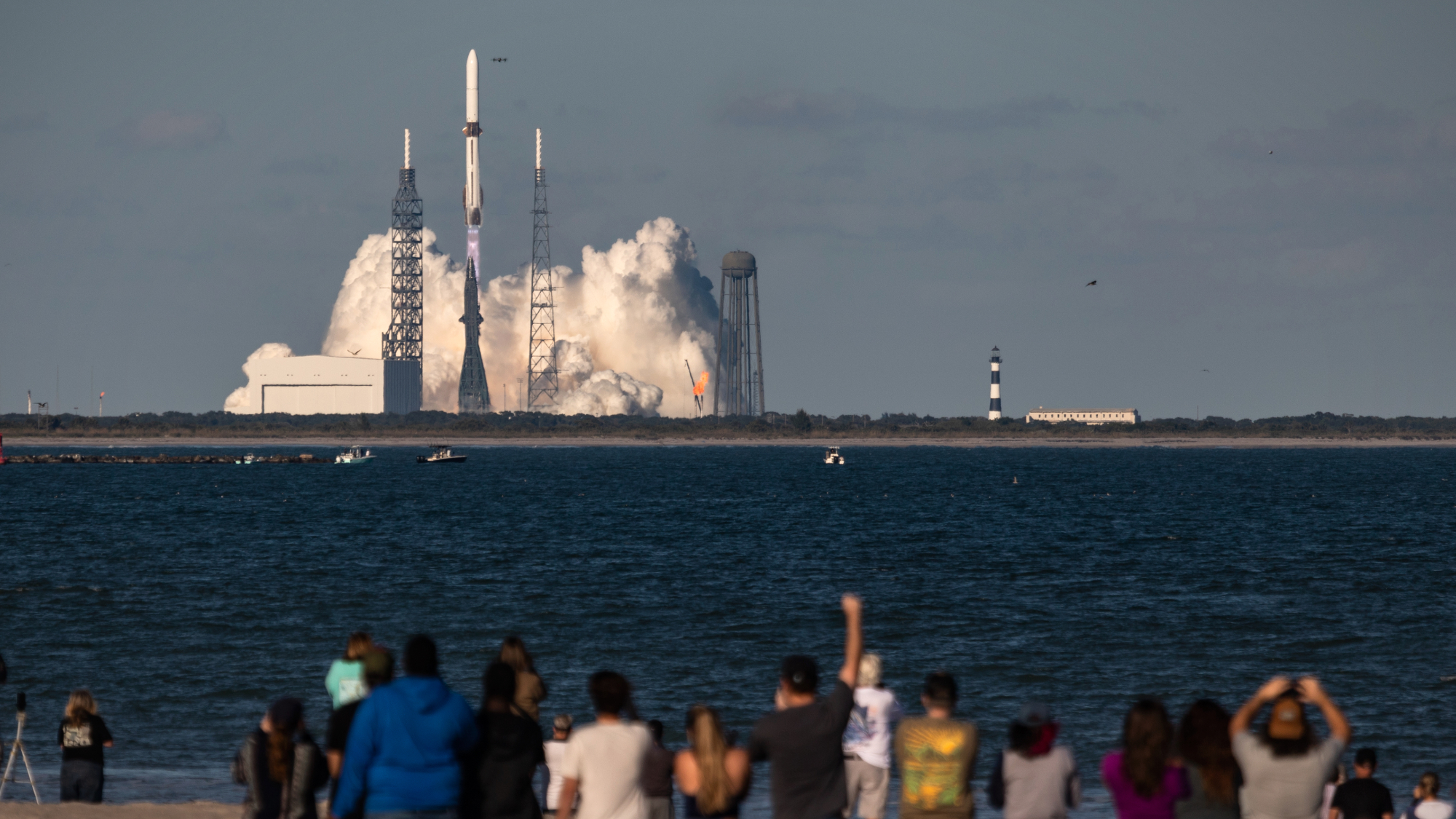 Blue Origin launches Mars probes in NASA debut
Speed Read The New Glenn rocket is carrying small twin spacecraft toward Mars as part of NASA’s Escapade mission
-
 ‘The Big Crunch’: why science is divided over the future of the universe
The Explainer New study upends the prevailing theory about dark matter and says it is weakening
-
 Dinosaurs were thriving before asteroid, study finds
Speed Read The dinosaurs would not have gone extinct if not for the asteroid


