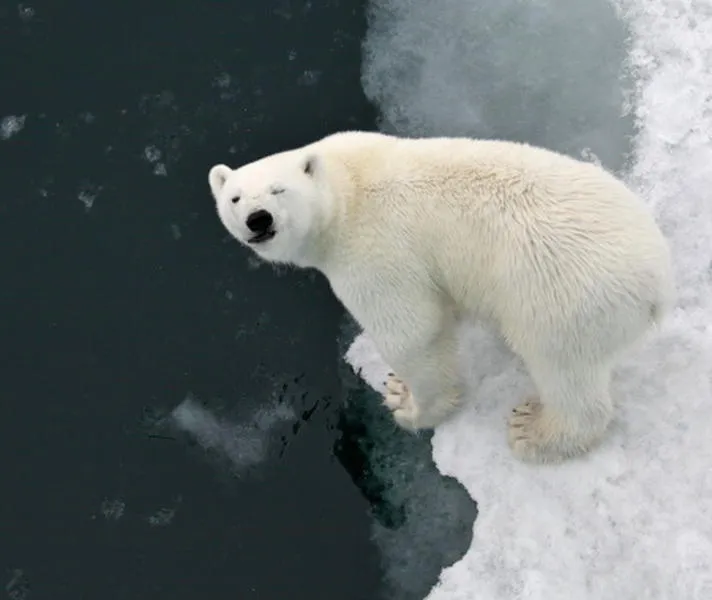
With a diet rich in fat but few heart-related health problems, how do polar bears have it all? Scientists said today the answer is in their genes. Since the white furry creatures split off from their brown bear cousins some 500,000 years ago, polar bears have "undergone remarkable genetic changes" that allow them to eat a high-fat diet.
Researchers said genes relating to the bear's cardiovascular functions and fatty acid metabolism have mutated to let them eat a diet full of fatty meat from seals and fish without risking heart attacks or disease. "For polar bears, being very fat is no problem," said ecologist Eline Lorenzen, who added that the extra fat helps the bears survive in the Arctic's freezing climate.
The Week
Escape your echo chamber. Get the facts behind the news, plus analysis from multiple perspectives.

Sign up for The Week's Free Newsletters
Join more than 350,000 subscribers and keep yourself informed with a selection of The Week’s most interesting, enlightening and entertaining stories - plus daily puzzles.
Join more than 350,000 subscribers and keep yourself informed with a selection of The Week’s most interesting, enlightening and entertaining stories - plus daily puzzles.


