New study suggests sonic waves could help Alzheimer's patients regain memories
A free daily email with the biggest news stories of the day – and the best features from TheWeek.com
You are now subscribed
Your newsletter sign-up was successful
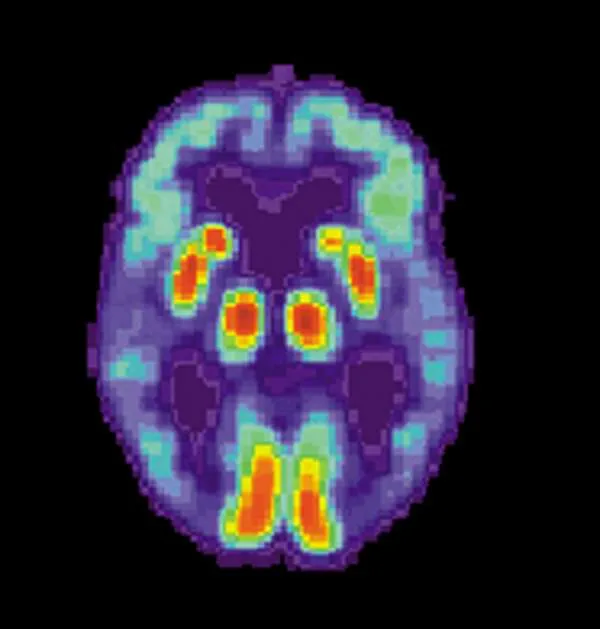
Researchers working with mice found that stimulating their forebrains with blasts of sonic waves helped get rid of protein buildup, a process that might one day be able to help people with Alzheimer's disease.
The study, published Wednesday in the journal Science Translation Medicine, showed that mice who had been bred to develop Alzheimer's did better on memory and navigational tests after having several ultrasound "treatments" compared to their counterparts that did not have any treatments, the Los Angeles Times reports. The researchers saw that after the mice received the scanning ultrasound, specialized immune cells in the brain called microglia were activated, and they swept up and disposed of excess amyloid.
Human trials are still a long way away, but researchers are excited about a non-invasive treatment that doesn't require drugs or surgery.
Article continues belowThe Week
Escape your echo chamber. Get the facts behind the news, plus analysis from multiple perspectives.
Sign up for The Week's Free Newsletters
From our morning news briefing to a weekly Good News Newsletter, get the best of The Week delivered directly to your inbox.
A free daily email with the biggest news stories of the day – and the best features from TheWeek.com
Catherine Garcia has worked as a senior writer at The Week since 2014. Her writing and reporting have appeared in Entertainment Weekly, The New York Times, Wirecutter, NBC News and "The Book of Jezebel," among others. She's a graduate of the University of Redlands and the Columbia University Graduate School of Journalism.