Senate passes $1.3 trillion spending bill, sending it for Trump's signature

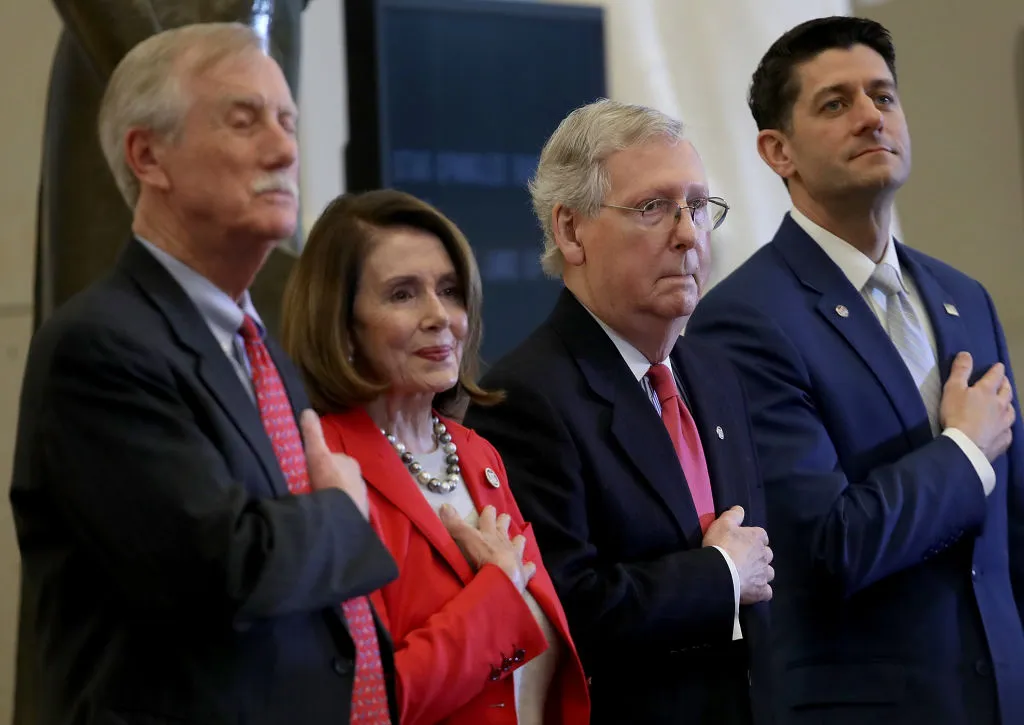
Early Friday morning, the Senate passed a $1.3 trillion omnibus bill to fund the government through September. The 65-32 vote came hours after the House passed the bill, 256-167; the 2,232-page legislation was released Wednesday night. Trump is expected to sign the bill, likely the last major legislation Congress gets through this year, before Saturday, averting a third government shutdown this year.
Some fiscal conservatives were upset with the price tag of the spending bill, which includes big increases for the military and domestic programs — as sought by Republicans and Democrats, respectively. But Sen. Rand Paul (R-Ky.), who caused the last, brief government shutdown, did not reprise his efforts to block this legislation after intense discussions with Senate leaders. Sen. James Risch (R-Idaho) did slow down the bill a bit Thursday evening over a proposal to rename a forest in Idaho after Cecil Andrus, a former four-term Idaho governor who died last year. Risch backed down after the Senate agreed to separate legislation postponing the forest renaming. It's unclear if the House will approve that motion.
The Week
Escape your echo chamber. Get the facts behind the news, plus analysis from multiple perspectives.

Sign up for The Week's Free Newsletters
Join more than 350,000 subscribers and keep yourself informed with a selection of The Week’s most interesting, enlightening and entertaining stories - plus daily puzzles.
Join more than 350,000 subscribers and keep yourself informed with a selection of The Week’s most interesting, enlightening and entertaining stories - plus daily puzzles.


