How Trump let the FBI into Cohen's email, and 4 more takeaways from Mueller's search warrant

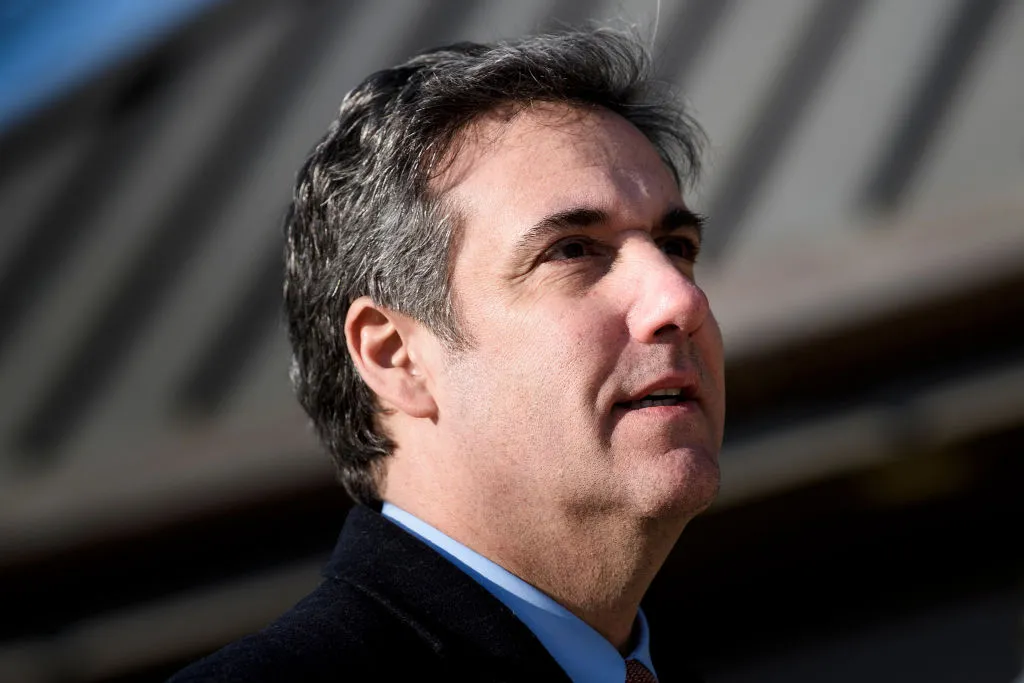
On Monday, a judge in the Southern District of New York ordered the public release of a search warrant that allowed the FBI to raid the office and hotel of President Trump's then-lawyer Michael Cohen in April 2018. The 269-page warrant reveals that investigators were looking into Cohen as early as July 2017, and provides new insight on what led him to cooperate with prosecutors. Here are five more stunning takeaways from the release.
1. Special Counsel Robert Mueller's office suspected Cohen was a foreign agent. Beyond the crimes Cohen was eventually charged with, the warrant also said Mueller probed Cohen on suspicion that he committed money laundering and acted as an unregistered foreign agent.
The Week
Escape your echo chamber. Get the facts behind the news, plus analysis from multiple perspectives.

Sign up for The Week's Free Newsletters
Join more than 350,000 subscribers and keep yourself informed with a selection of The Week’s most interesting, enlightening and entertaining stories - plus daily puzzles.
Join more than 350,000 subscribers and keep yourself informed with a selection of The Week’s most interesting, enlightening and entertaining stories - plus daily puzzles.

-
-
 talking pointsAfter Pike disaster, is it time to rethink death penalty?
 -
 QUOTE OF THE DAY‘What it actually means in the American context is you want to replace American workers with foreign workers and you want boys to play in girls’ sports.’
 -
 the explainerJustice Dept. launches largest-ever effort to strip citizenship
-
-
-
talking pointsAfter Pike disaster, is it time to rethink death penalty?
-
QUOTE OF THE DAY‘What it actually means in the American context is you want to replace American workers with foreign workers and you want boys to play in girls’ sports.’
-
the explainerJustice Dept. launches largest-ever effort to strip citizenship
-