China's parliament approves controversial Hong Kong security bill

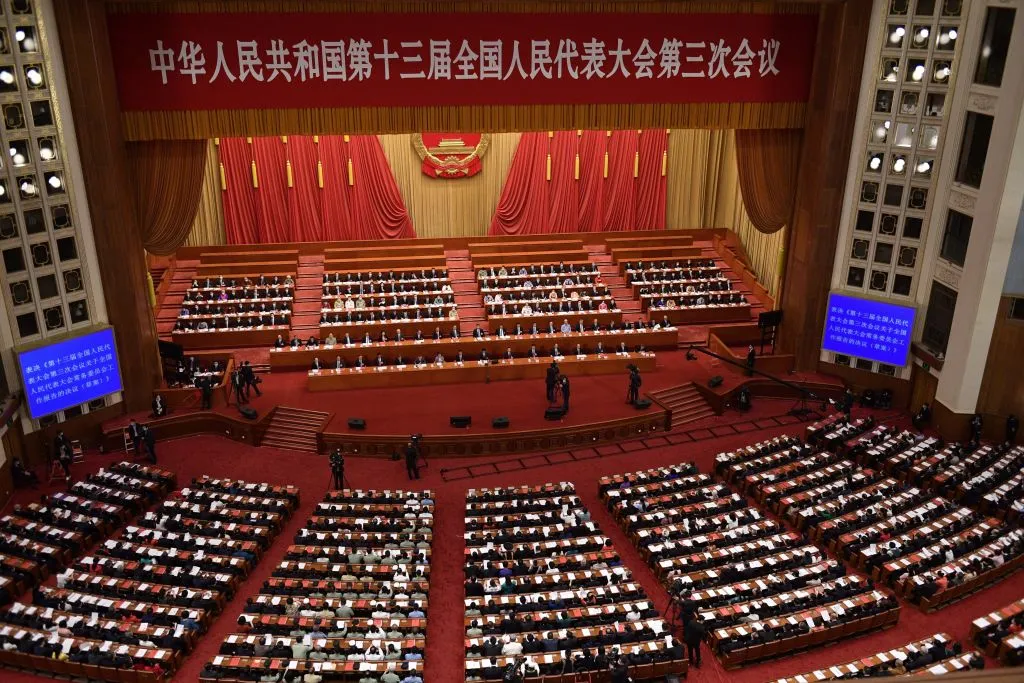
China's National People's Congress approved a controversial bill Thursday that, once enacted, will allow Beijing to exert its power more overtly in semi-autonomous Hong Kong. The 2,878-to-1 vote was expected and it moves the legislation, handed down from China's central government, back to the Standing Committee of the Communist Party. Once the committee finishes writing the law, it could be in force by August or September.
The legislation criminalizes secession, subversion, terrorism, and foreign interference in Hong Kong, and it says that "when needed, relevant national security organs of the Central People's Government will set up agencies in Hong Kong to fulfill relevant duties to safeguard national security in accordance with the law." That has been interpreted as allowing Beijing to set up its own security agencies in Hong Kong, adding a parallel police force. Hong Kong pro-democracy protests have resumed in response.
The Week
Escape your echo chamber. Get the facts behind the news, plus analysis from multiple perspectives.

Sign up for The Week's Free Newsletters
Join more than 350,000 subscribers and keep yourself informed with a selection of The Week’s most interesting, enlightening and entertaining stories - plus daily puzzles.
Join more than 350,000 subscribers and keep yourself informed with a selection of The Week’s most interesting, enlightening and entertaining stories - plus daily puzzles.


