RNC officially re-adopts 2016 GOP platform, resolves to keep 'enthusiastically' supporting Trump's agenda

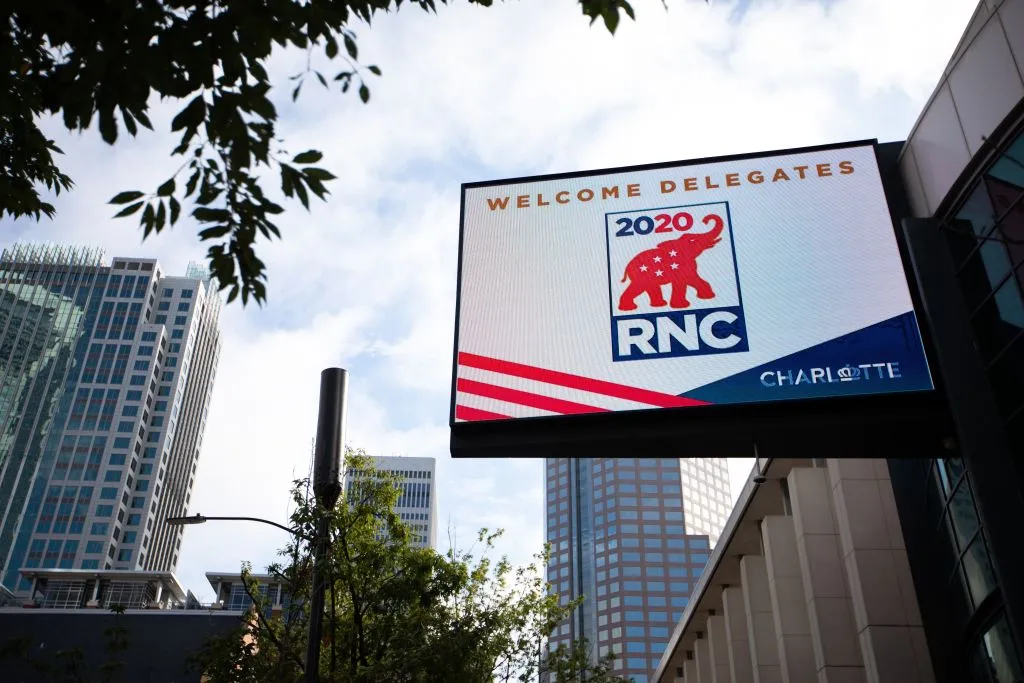
The Republican National Committee adopted the official 2020 GOP national platform in Charlotte, North Carolina, on Sunday evening, and it looks a lot like the 2016 party platform — because it is the 2016 party platform, sharp criticism of the "current" president and all.
The RNC, citing heath concerns and municipal restrictions from the COVID-19 pandemic, said it has unanimously voted to not write a new set of policies and goals this year — but if it had, it "would have undoubtedly unanimously agreed to reassert the party's strong support for President Donald Trump and his administration." No modifications to the 2016 platform will be allowed, the RNC said, and the Republican Party "has and will continue to enthusiastically support the president's America-first agenda" and "reject the policy positions of the Obama-Biden administration."
The Week
Escape your echo chamber. Get the facts behind the news, plus analysis from multiple perspectives.

Sign up for The Week's Free Newsletters
Join more than 350,000 subscribers and keep yourself informed with a selection of The Week’s most interesting, enlightening and entertaining stories - plus daily puzzles.
Join more than 350,000 subscribers and keep yourself informed with a selection of The Week’s most interesting, enlightening and entertaining stories - plus daily puzzles.