COVID-19 cases in children rise by 21 percent in August
A free daily email with the biggest news stories of the day – and the best features from TheWeek.com
You are now subscribed
Your newsletter sign-up was successful
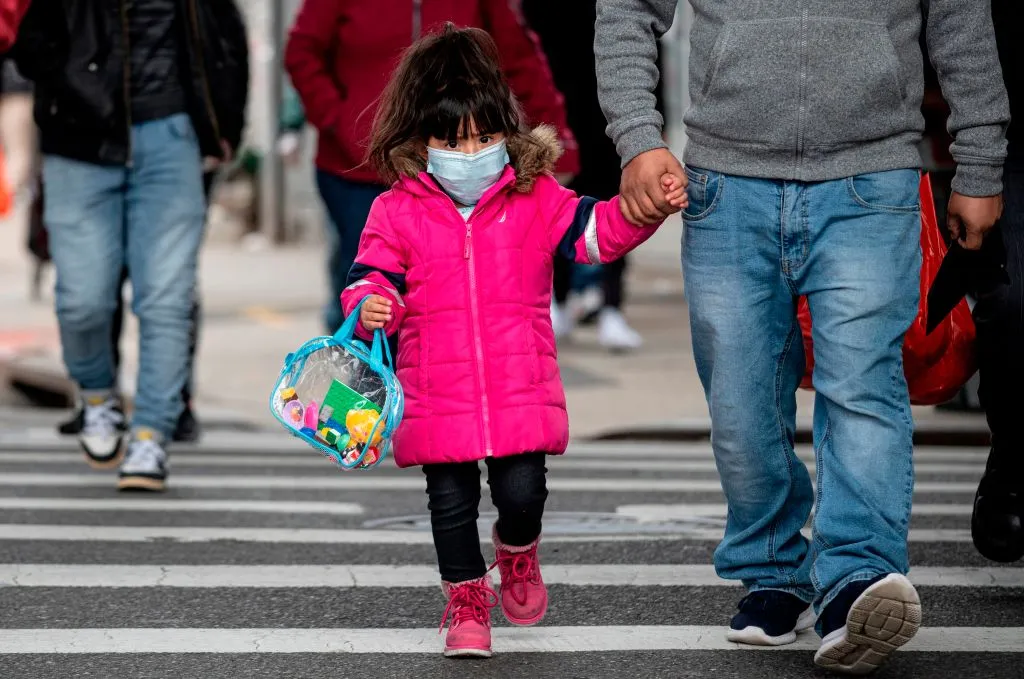
Cases of COVID-19 in children have reportedly risen by about 20 percent in the United States this month.
Data from the American Academy of Pediatrics and the Children's Hospital Association shows that between August 6 and August 20, more than 70,000 new child coronavirus cases were reported across the country, CNN reports. This represents a 21 percent increase, and it brings the total number of children who have been infected with the coronavirus during the pandemic to over 440,000.
Earlier this month, the Centers for Disease Control and Prevention said the number of COVID-19 cases in children had been "steadily increasing" from March through July and that children "likely have the same or higher viral loads in their nasopharynx compared with adults" and "can spread the virus effectively in households and camp settings."
The Week
Escape your echo chamber. Get the facts behind the news, plus analysis from multiple perspectives.
Sign up for The Week's Free Newsletters
From our morning news briefing to a weekly Good News Newsletter, get the best of The Week delivered directly to your inbox.
Numbers from the Academy of Pediatrics and the Children's Hospital Association previously showed that in the last two weeks of July, more than 97,000 children tested positive for COVID-19 in the U.S., which was "more than a quarter of the total number of children diagnosed nationwide since March," The Washington Post reports. The new report this week noted that "severe illness" from COVID-19 seems to be "rare" among children.
"At least acutely it's less severe in children," American Academy of Pediatrics Committee on Infectious Diseases vice-chair Sean O'Leary told The Wall Street Journal, "but we also need to understand whether there are potentially consequences of long-term effects."
A free daily email with the biggest news stories of the day – and the best features from TheWeek.com
Brendan worked as a culture writer at The Week from 2018 to 2023, covering the entertainment industry, including film reviews, television recaps, awards season, the box office, major movie franchises and Hollywood gossip. He has written about film and television for outlets including Bloody Disgusting, Showbiz Cheat Sheet, Heavy and The Celebrity Cafe.