Alaska becomes 1st state to remove eligibility requirements for COVID-19 vaccine

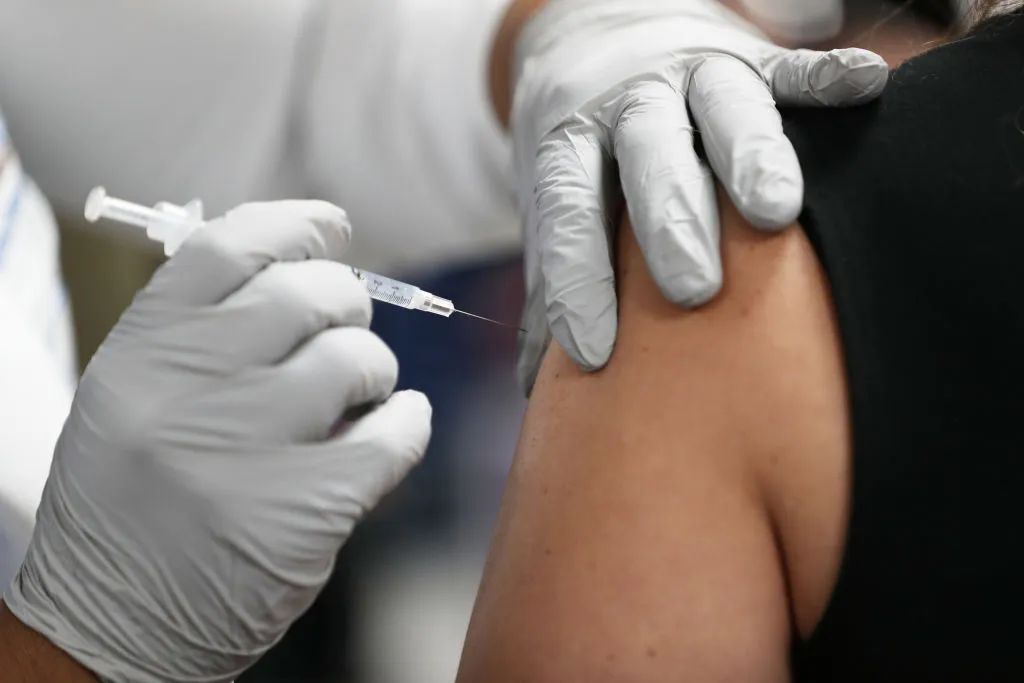
Officials in Alaska shared some good news on Tuesday evening, announcing that anyone 16 and older who lives or works in the state is now eligible for the COVID-19 vaccine.
Alaska is the first state to drop eligibility requirements for the vaccine, giving access to all. Previously, health care workers, educators, and senior citizens were given top priority, followed by people who work essential jobs, those at risk for developing a serious illness from COVID-19, and anyone 55 or older.
The Week
Escape your echo chamber. Get the facts behind the news, plus analysis from multiple perspectives.

Sign up for The Week's Free Newsletters
Join more than 350,000 subscribers and keep yourself informed with a selection of The Week’s most interesting, enlightening and entertaining stories - plus daily puzzles.
Join more than 350,000 subscribers and keep yourself informed with a selection of The Week’s most interesting, enlightening and entertaining stories - plus daily puzzles.