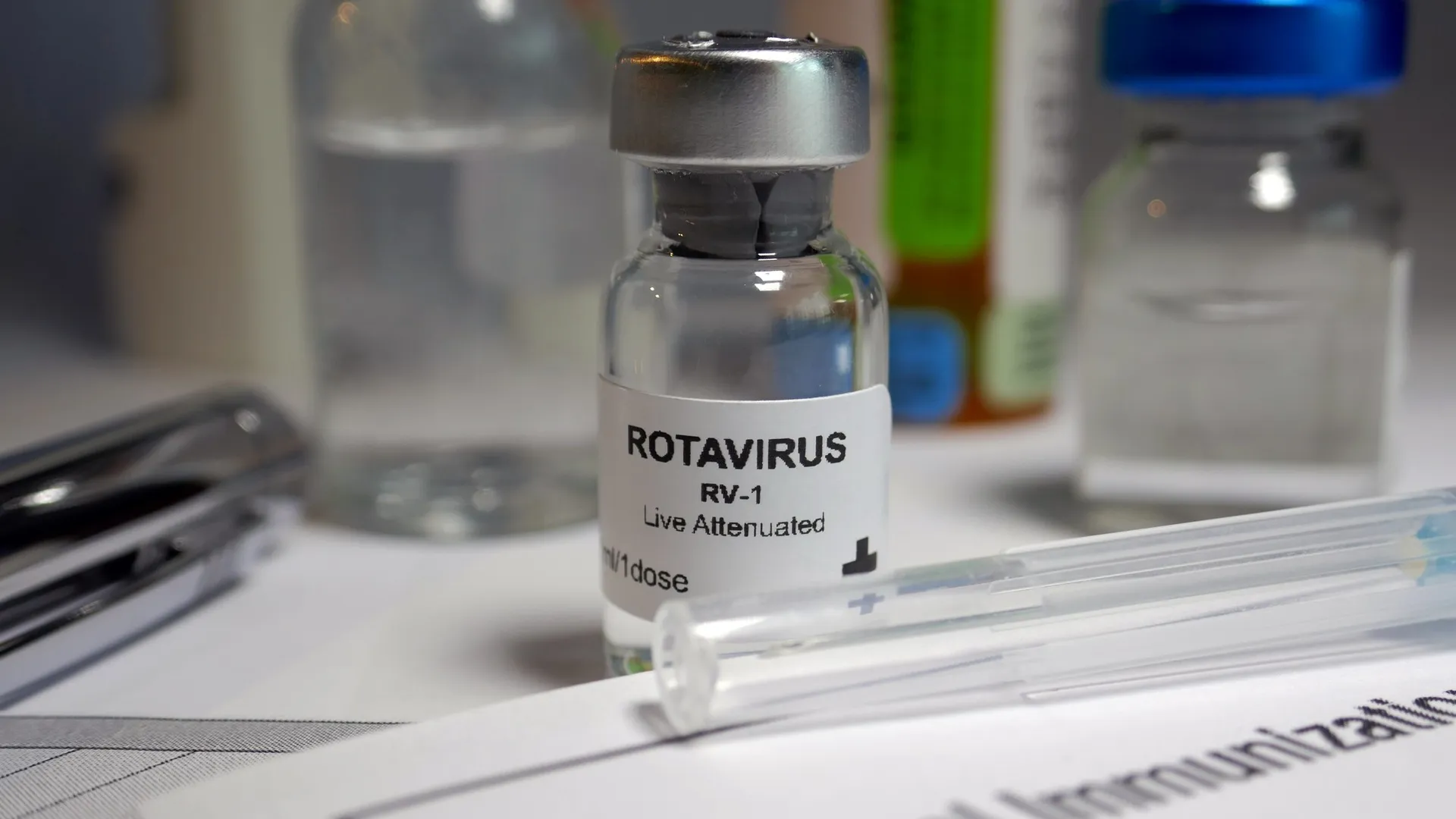
Rotavirus, a potentially deadly gastrointestinal pathogen, is being transmitted at an alarming rate across the country. Young children are the most at risk of severe infection. Experts believe that reduced vaccination rates are behind the trend.
How bad is rotavirus?
Every year, rotavirus is “responsible for 20 to 60 deaths in the U.S., more than 400,000 doctor visits, more than 200,000 emergency room visits and between 55,000 and 70,000 hospitalizations among children under 5,” said Newsweek. Infection rates are higher now than they were at the same time last year, according to CDC data. The percentage of positive rotavirus tests across the country has been steadily increasing since January. “We’re seeing a lot of rotavirus in wastewater right now,” which indicates that “there are high levels of infections in these communities,” Marlene Wolfe, the program director of WastewaterScan, said to NBC News.
Rotavirus can cause gastroenteritis with a “fever above 101 degrees Fahrenheit and vomiting for one to two days, followed by frequent diarrhea,” said Discover Magazine. While “anyone can get infected, the virus spreads particularly quickly among babies and young children via the fecal-oral route through contaminated hands and surfaces.” The virus can lead to severe dehydration, which may require hospitalization. At its peak, there can be “upwards of 20-plus episodes” of diarrhea per day, Stephanie DeLeon, the associate chief medical officer and a pediatric hospitalist at Oklahoma Children’s OU Health, said to NBC News. In the worst cases, the virus is deadly, especially among younger children.
The Week
Escape your echo chamber. Get the facts behind the news, plus analysis from multiple perspectives.
SUBSCRIBE & SAVE
Sign up for The Week's Free Newsletters
Join more than 350,000 subscribers and keep yourself informed with a selection of The Week’s most interesting, enlightening and entertaining stories - plus daily puzzles.
Join more than 350,000 subscribers and keep yourself informed with a selection of The Week’s most interesting, enlightening and entertaining stories - plus daily puzzles.
Latest Videos FromThe Week US
As with most viruses, there is no specific treatment once someone develops gastroenteritis from rotavirus. Doctors “only provide supportive therapy,” including “hydration such as electrolyte drinks or IV fluids in the case of dehydration, small and frequent feeding as well as fever control with medications like Tylenol,” said Forbes. Usually, the symptoms resolve in approximately a week.
Why is it spreading?
Some of the surge in infection is because rotavirus “follows a fairly regular annual pattern, much like influenza,” Ben Lopman, a professor of epidemiology at Emory University, said to Newsweek. “What’s driving this year’s surge is the same basic biology it always has been: A highly contagious virus circulating through communities where young children are in close contact.” The disease tends to peak in late winter and early spring and decline in the summer.
While there is no treatment for rotavirus after infection, the disease can be prevented. There are two different oral vaccinations available against the pathogen. Given during infancy, “7 out of 10 children who get the vaccine will be protected from getting infected, and 9 out of 10 will be protected against severe disease,” said Forbes. Unfortunately, “doctors have fresh concerns that declining vaccinations could lead to more severe illness and a higher surge in the coming years,” said NBC News. Most of those infected and hospitalized are “either too young to get the vaccine, haven’t received all the doses yet or are unvaccinated.”
Vaccine hesitancy may have made this year’s surge worse. Parents refusing to vaccinate their children has also increased cases of diseases like measles and whooping cough. “As someone working on this virus for more than a decade, I ultimately want rotavirus to become less relevant over time, with continued reductions in severe disease and mortality,” Siyuan Ding, a professor of molecular microbiology at the Washington University School of Medicine in St. Louis, said to Newsweek. “It is therefore concerning to see case numbers trending upward this year.”