
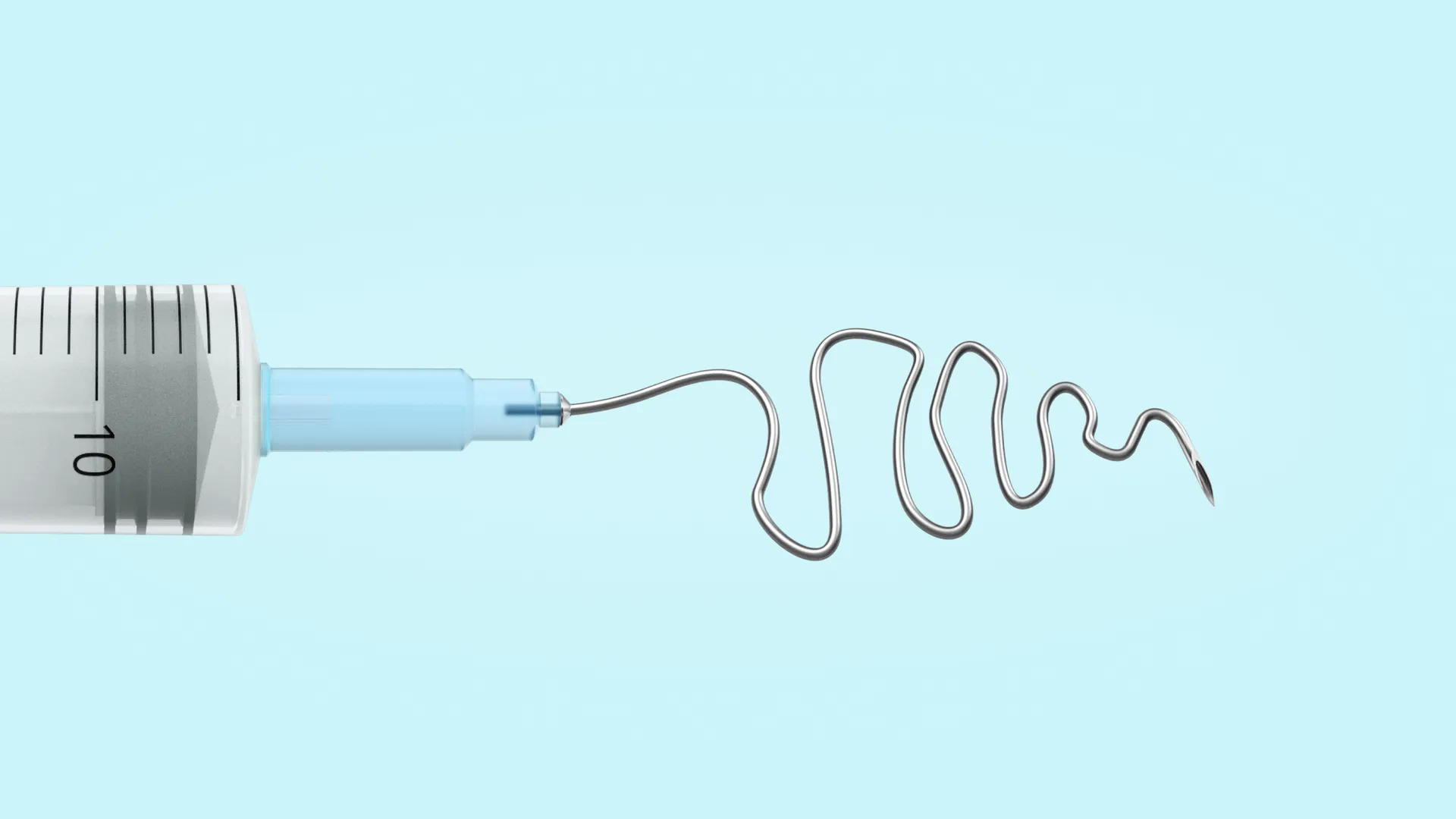
If you want to know where artificial intelligence is headed, visit a hospital,
said Te-Ping Chen and Chao Deng in The Wall Street Journal. Health care has become “the proving ground for widespread AI adoption.” Among health systems, 27% are currently paying for commercial AI licenses, triple the rate across the U.S. economy. It’s helping doctors and administrators “take notes, field phone calls, and deal with insurance claims”—and it is starting to aid in giving health advice. A study last year found that “AI was better able to identify subtle signs of breast cancer” than human radiologists. “Doctors still make medical decisions,” but patients are increasingly turning to chatbots over clinics. OpenAI recently launched ChatGPT Health, enabling AI to zip through medical records and wellness apps for a more “personalized” medical response, said Ina Fried in Axios. More than 40 million people a day already turn to ChatGPT with health questions, the company said, and “ChatGPT is available 24/7.”
This has the potential to “backfire spectacularly,” said Parmy Olson in Bloomberg. Google attempted something similar in the late 2000s under the banner Google Health, which could “aggregate a person’s medical data from different doctors and hospitals.” But people were “creeped out at the idea of uploading their health records to a company that regularly hoovered up personal information for ads.” AI health care has a different problem. Companies haven’t proved yet that their models are free from hallucinations. We need more evidence AI can handle “life or death decisions.” For 25 million Americans without health insurance, ChatGPT “might be the closest thing to a second opinion they can afford,” said Jackie Snow in Quartz. But as we’ve seen with “AI therapy,” people have begun to “form inappropriate attachments” to their always-on, always-agreeable chatbots that can “spiral out of control.” And now these tools want to become your health adviser.
The Week
Escape your echo chamber. Get the facts behind the news, plus analysis from multiple perspectives.

Sign up for The Week's Free Newsletters
Join more than 350,000 subscribers and keep yourself informed with a selection of The Week’s most interesting, enlightening and entertaining stories - plus daily puzzles.
Join more than 350,000 subscribers and keep yourself informed with a selection of The Week’s most interesting, enlightening and entertaining stories - plus daily puzzles.
-
-
 talking pointsAfter Pike disaster, is it time to rethink death penalty?
 -
 QUOTE OF THE DAY‘What it actually means in the American context is you want to replace American workers with foreign workers and you want boys to play in girls’ sports.’
 -
 the explainerJustice Dept. launches largest-ever effort to strip citizenship
-
-
-
talking pointsAfter Pike disaster, is it time to rethink death penalty?
-
QUOTE OF THE DAY‘What it actually means in the American context is you want to replace American workers with foreign workers and you want boys to play in girls’ sports.’
-
the explainerJustice Dept. launches largest-ever effort to strip citizenship
-