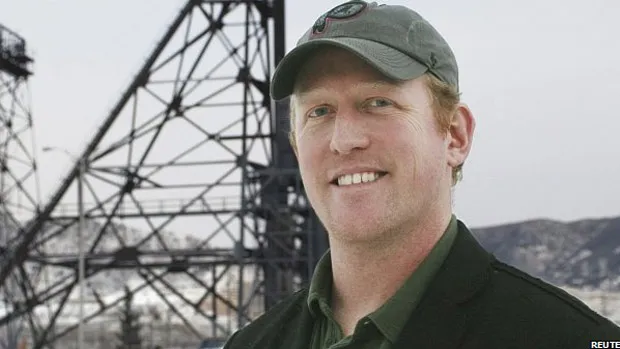
A row has broken out over who killed Osama bin Laden after an ex-Navy Seal Robert O’Neill said in an interview that contrary to previous claims, it was he who fired the fatal shot.
O'Neill told the Washington Post that he was one of dozens of US special operators who stormed the reclusive leader’s compound in Abbottabad, Pakistan on 2 May, 2011.
According to O’Neill’s account, he was the first to enter Bin Laden’s room and fired a round that hit the terrorist leader in the forehead, killing him instantly.
The Week
Escape your echo chamber. Get the facts behind the news, plus analysis from multiple perspectives.
SUBSCRIBE & SAVE
Sign up for The Week's Free Newsletters
Join more than 350,000 subscribers and keep yourself informed with a selection of The Week’s most interesting, enlightening and entertaining stories - plus daily puzzles.
Join more than 350,000 subscribers and keep yourself informed with a selection of The Week’s most interesting, enlightening and entertaining stories - plus daily puzzles.
Latest Videos FromThe Week US
However, the story varies from the description offered by another member of Seal Team Six, Matt Bissonnette, who claims in his controversial 2012 account of the raid, No Easy Day, that he shot and killed Bin Laden.
O’Neill’s new claims reportedly angered other ex-special forces personnel who usually maintain a strict code of silence over their operations. O’Neill had previously been interviewed anonymously about the mission by Esquire magazine, but his decision to reveal his identity publically in a forthcoming interview with Fox News prompted a website run by ex-special forces to publish his name in advance.
The website quotes from a letter signed by force master chief of the Naval Special Warfare Command (NSWC) Michael Magaraci and Rear Admiral Brian Losey. The two men condemn O’Neill and Bissonnette for publicising their roles in the raid.
The post, written by a former CIA officer who goes by the name of Frumentarius says: "Leaving little doubt of the disdain that they, and others in the community, feel toward breaches of the SEAL ethos, Rear Admiral Brian Losey, Commander of NSWC, and Force Master Chief Michael Magaraci state that violators of that ethos 'are neither teammates in good standing, nor teammates who represent Naval Special Warfare.' "
He continues: "They reiterate that a central part of the ethos is not advertising the nature of their work, nor seeking recognition for particular actions."
The US government’s official account of what happened is unlikely to be published for many years, the BBC says.