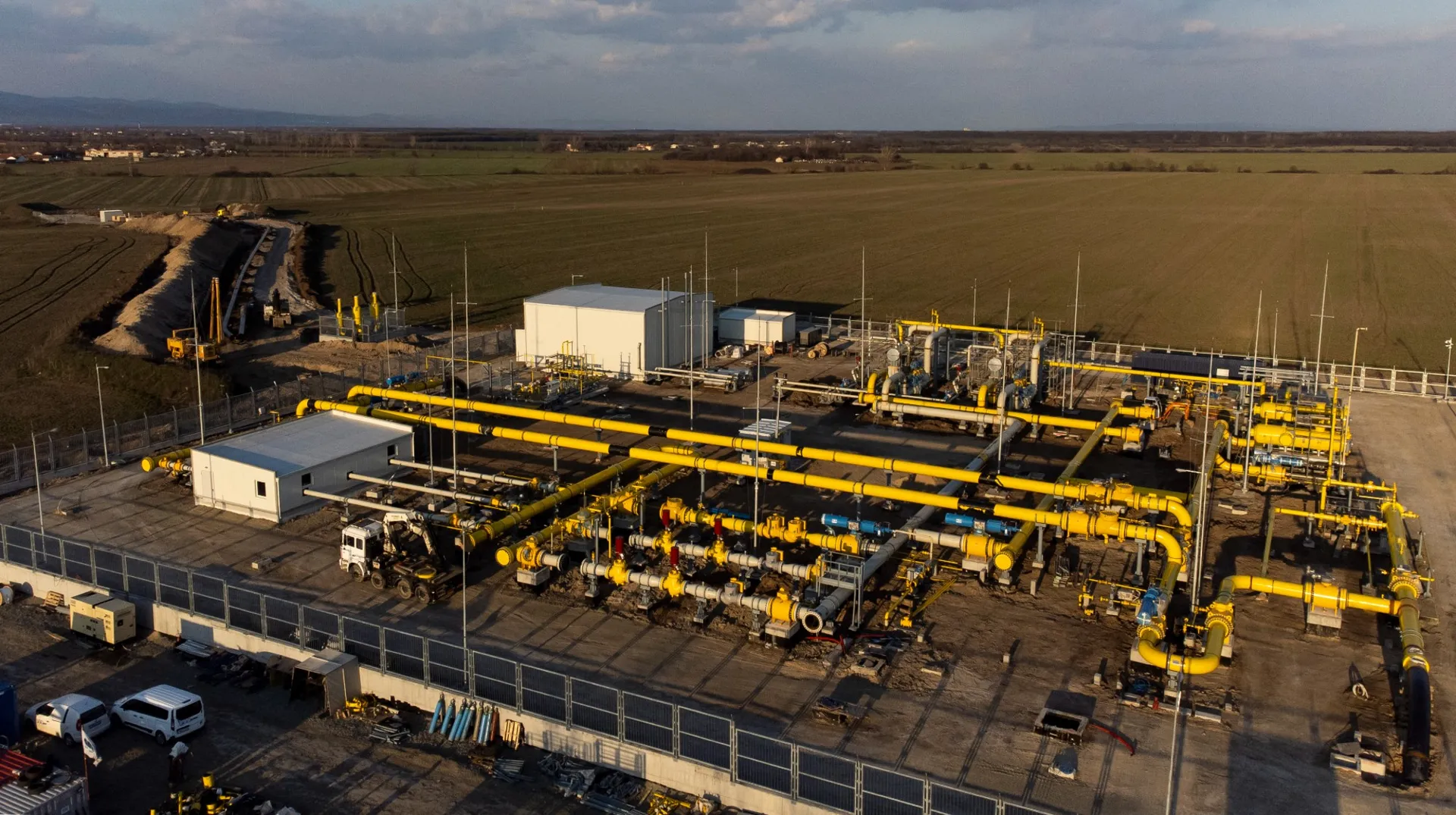
European leaders struggling to address the years of bloodshed on the border with Russia reached a milestone agreement last week, starting the clock on plans to fully uncouple the European Union from Russian gas. Under the new agreement, European nations will end liquefied natural gas imports in the coming year, with long-term pipeline contracts closed by the end of 2027. Europe is “turning off the tap on Russian gas, forever,” said EU Energy Commissioner Dan Jorgensen on X. “We stand strong with Ukraine.”
‘Choke off’ funds for ‘Moscow’s war chest’
Today, Russian gas accounts for some 12% of EU gas imports — down from 45% in the years before Russia’s still-ongoing invasion of Ukraine. As part of the new agreement, member nations will not only transition away from existing Russian gas supplies, but must submit “national diversification plans outlining measures for diversifying their gas supplies and potential challenges” with the goal of meeting the 2027 deadline, the EU said in a press release. The governing body “seeks to choke off key funds feeding Moscow’s war chest” during its offensive against Ukraine, said Le Monde.
The agreement comes as part of the EU’s “REPowerEU Roadmap” to energy independence from Russia. This initiative has “shielded us from the worst energy crisis in decades” and “helped us to transition” from Russian gas and oil at “record speed,” said EU Commission President Ursula von der Leyen in a statement. Currently, the EU “sources the majority of its gas” from other suppliers “including the U.S.,” said The Wall Street Journal, as the bloc “remains committed to phasing out all remaining oil imports” from Russia as well.
The Week
Escape your echo chamber. Get the facts behind the news, plus analysis from multiple perspectives.
SUBSCRIBE & SAVE
Sign up for The Week's Free Newsletters
Join more than 350,000 subscribers and keep yourself informed with a selection of The Week’s most interesting, enlightening and entertaining stories - plus daily puzzles.
Join more than 350,000 subscribers and keep yourself informed with a selection of The Week’s most interesting, enlightening and entertaining stories - plus daily puzzles.
Latest Videos FromThe Week US
Next year’s ban on liquefied natural gas comes a “year earlier than originally proposed” and is “in line with a ban on seaborne deliveries” previously approved by the European Commission, Bloomberg said. “We’re turning that page, and we’re turning it for good,” said von der Leyen.
Looming challenges from within
Predictably, Russia has responded to the EU agreement with criticism, claiming the move would “doom Europe to becoming less competitive” and “lead to higher prices for consumers,” said Reuters. But frustration over the new oil and gas rules hasn’t been limited to Moscow. Several EU member nations with close ties to Russia have also begun to publicly chafe at the agreement, which critics say was “wrongfully disguised” as an issue of trade policy in order to “circumvent the unanimous voting required for sanctions.”
“Accepting and implementing this Brussels order is impossible for Hungary,” said Foreign Minister Peter Szijjarto in a broadcast from his Facebook page. Slovakia has also “complained of the impact” on its national economy should it be forced to reject Russian fuel, said Radio Free Europe. Slovakia has “sufficient legal grounds to consider filing a lawsuit” against the agreement, said Prime Minister Robert Fico. Opposition lawmakers have countered that “such a step would disgrace Slovakia” and is “advancing Russian interests in Europe,” said The Slovak Spectator.