Sign up to get Today’s Best Articles in your inbox
Join 350,000+ subscribers and keep yourself informed with a selection of
The Week’s most interesting, enlightening and entertaining stories - plus daily puzzles.
You are now subscribed
Your newsletter sign-up was successful
Want to add more newsletters?
An account already exists for this email address, please log in.
Osborne plans 'revolution' in the way England is governed
Chancellor offers greater powers to cities that agree to be governed by a directly elected mayor
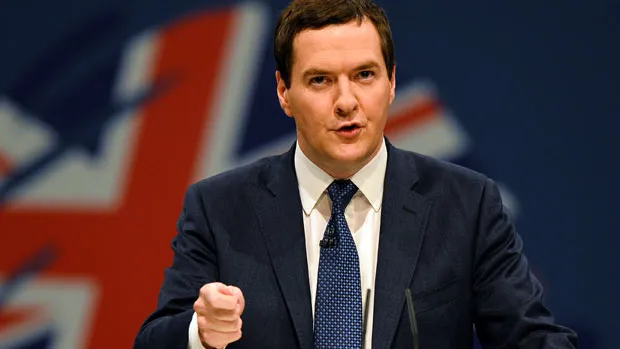
Chancellor George Osborne will today offer greater devolved powers to English cities if they agree to be governed by a directly elected mayor.
Osborne wants to bring in legislation to transfer health, transport, housing and planning powers from Westminster to city mayors.
Details of the Cities Devolution bill come after David Cameron promised to transfer new fiscal powers to the Scottish parliament. It is only fair that England receives equivalent rights, Osborne is expected to say.
The Week
Escape your echo chamber. Get the facts behind the news, plus analysis from multiple perspectives.
Join more than 350,000 subscribers and keep yourself informed with a selection of The Week’s most interesting, enlightening and entertaining stories - plus daily puzzles.
Join more than 350,000 subscribers and keep yourself informed with a selection of The Week’s most interesting, enlightening and entertaining stories - plus daily puzzles.
Manchester looks likely to be the first city to take up the offer, with plans to elect a mayor in 2017 if the law goes through.
According to the Financial Times, the city has been offered £1bn of spending power over transport, skills and other areas, as well as joint control of £6bn health and social care spending with the NHS. The mayor would also take on the role currently covered by the elected police and crime commissioner.
Osborne says his door is open to any other major city that wants to follow suit. However, each city's devolution deal would be negotiated separately with government.
Speaking in Manchester today, the Chancellor will describe the plan as a "revolution in the way we govern England" and a central part of the new government's Queen's Speech at the end of the month.
Sign up to get Today’s Best Articles in your inbox
A free daily email with the day’s biggest news and analysis – and the best features from TheWeek.com
"The old model of trying to run everything in our country from the centre of London is broken," he is expected to say. "It's led to an unbalanced economy. It's made people feel remote from the decisions that affect their lives. It's not good for our prosperity or our democracy.
"I say to these cities: it is time for you to take control of your own affairs."
A handful of council areas already have a directly elected mayor – rather than a council leader selected from councillors. However, it appears that Osborne is expecting the new mayors to cover the whole city region rather than just one local authority. The FT says cities such as Leeds, Liverpool, Sheffield and Birmingham have so far resisted the idea.