Sign up to get Today’s Best Articles in your inbox
Join 350,000+ subscribers and keep yourself informed with a selection of
The Week’s most interesting, enlightening and entertaining stories - plus daily puzzles.
You are now subscribed
Your newsletter sign-up was successful
Want to add more newsletters?
An account already exists for this email address, please log in.
Campus security is under scrutiny again after the Brown shooting
Questions surround a federal law called the Clery Act
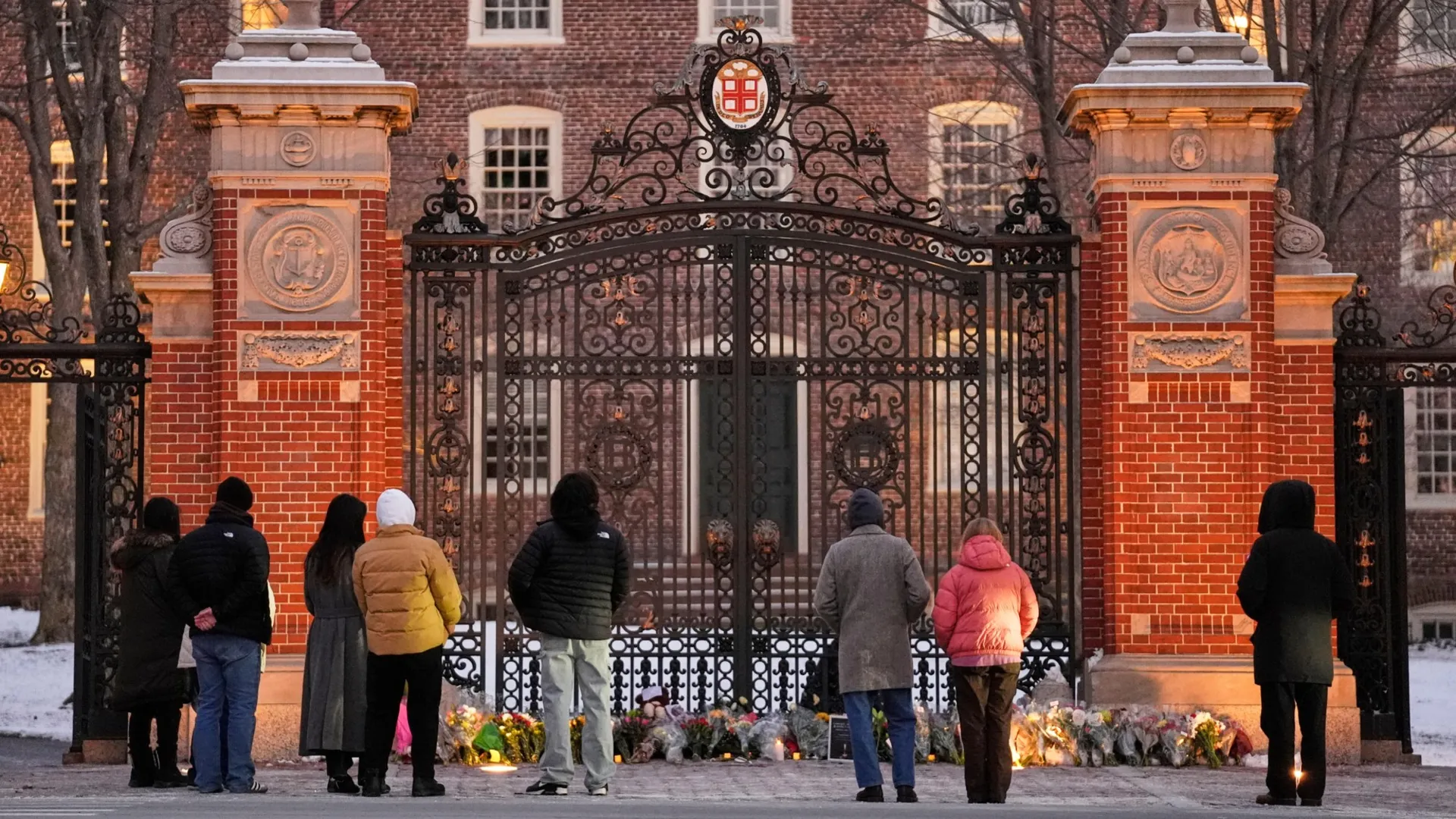
People are turning their anger toward the security at Brown University following a shooting on the Ivy League campus earlier this month. The incident left two students dead and nine wounded, and questions abound as to whether the school’s response to the shooting violated federal law. As the Education Department pledges to look into the issue, security experts have mixed feelings.
‘May not have been up to appropriate standards’
As the Education Department looks into what role Brown’s security may have played in the matter, the university’s police chief has already been placed on leave. The “surveillance and security system may not have been up to appropriate standards, allowing the suspect to flee while the university seemed unable to provide helpful information about the profile of the alleged assassin,” said the Education Department in a press release.
Most of the debate has surrounded the Clery Act, a federal law that “requires colleges and universities to report campus crime data, support victims of violence and publicly outline the policies and procedures they have put into place to improve campus safety,” said the Clery Center. Universities, as part of the act, must release an annual security report and issue “timely warnings in the event of an immediate, significant danger to the campus community,” said The Providence Journal.
The Week
Escape your echo chamber. Get the facts behind the news, plus analysis from multiple perspectives.
Join more than 350,000 subscribers and keep yourself informed with a selection of The Week’s most interesting, enlightening and entertaining stories - plus daily puzzles.
Join more than 350,000 subscribers and keep yourself informed with a selection of The Week’s most interesting, enlightening and entertaining stories - plus daily puzzles.
If it’s determined that Brown violated the Clery Act, the school could be fined. This has happened before, as Virginia Tech “ultimately paid $32,500 in fines to the Department of Education” for alleged Clery Act violations following its 2007 shooting, said CNN. Brown and other universities have been targeted by the White House before for ideological reasons, and the “fallout from this month’s shooting on campus threatens to once again put the university at odds with the administration.”
‘Clery Act doesn’t touch it’
The federal law is often seen as a key lifeline because its “required reports can help families decide where to send their children to college,” said The Boston Globe. Universities that violate it can also “lose federal student aid if they do not follow their own published procedures.” But there are safety experts who say that in the case of Brown, the Clery Act does not apply.
Much of the scrutiny has been around the alleged lack of surveillance cameras on Brown’s campus, with President Donald Trump even addressing this issue on social media. While an affidavit claims the building where the shooting occurred lacks sufficient interior cameras, the Clery Act “does not require universities to have any specific protocols such as cameras,” campus safety consultant Daniel Carter said to the Globe. “Absent saying something in the annual security report about having surveillance cameras, the Clery Act doesn’t touch it.”
Many safety experts are “puzzled by the mention of cameras because that’s not really what the Clery Act is designed to do,” said Peter Margulies, a national security and criminal law professor at Roger Williams University, to the Globe. But there’s also an understanding that the government “will want to make sure an institution like Brown was dotting its Is and crossing its Ts in the wake of a horrendous crime like this.”
Sign up to get Today’s Best Articles in your inbox
A free daily email with the day’s biggest news and analysis – and the best features from TheWeek.com
Justin Klawans has worked as a staff writer at The Week since 2022. He began his career covering local news before joining Newsweek as a breaking news reporter, where he wrote about politics, national and global affairs, business, crime, sports, film, television and other news. Justin has also freelanced for outlets including Collider and United Press International.