The government has said its new definition of anti-Muslim hostility does not restrict people’s freedom to criticise Islamism but gives “a clear explanation of unacceptable prejudice, discrimination and hatred targeting Muslims”. Critics say it will shut down debate about immigration and cultural assimilation.
Unveiling the definition this week, as part of a wider social cohesion plan, Communities Secretary Steve Reed said the government has a duty to act against record levels of hate crime against Muslims, and “you can’t tackle a problem if you can’t describe it”.
‘Privileged status’
The new three-paragraph definition, which is not legally binding, describes anti-Muslim hostility as engaging in, assisting or encouraging criminal acts directed at Muslims because of their religion, or directed at those perceived to be Muslim. It also encompasses prejudicial stereotyping to encourage hatred against Muslims, and unlawful discrimination to disadvantage Muslims.
The Week
Escape your echo chamber. Get the facts behind the news, plus analysis from multiple perspectives.
SUBSCRIBE & SAVE
Sign up for The Week's Free Newsletters
Join more than 350,000 subscribers and keep yourself informed with a selection of The Week’s most interesting, enlightening and entertaining stories - plus daily puzzles.
Join more than 350,000 subscribers and keep yourself informed with a selection of The Week’s most interesting, enlightening and entertaining stories - plus daily puzzles.
Latest Videos FromThe Week US
I'm deeply concerned about introducing a definition like this, the government’s former anti-extremism tsar, John Woodcock, told The Times. It could be used by Islamist extremists to “deflect scrutiny from their quest to undermine our values and intimidate fellow Muslims”.
Giving Muslims “privileged status to shield them from ‘hostility’” is a “potentially divisive approach that is unlikely to encourage assimilation”, said The Telegraph’s editorial board. It is also “inimical to free speech”, which is a “cornerstone of the culture within which integration is supposed to happen”. The “great debate of our times” is about the spread of “political Islamism and the terrorism committed in its name”. So why is the government “setting out to shut it down”?
The government insists that the definition is “no threat at all” to freedom of speech, said Andrew Gilligan in The Spectator, “but that’s not the only problem”. It’s “an obvious and open act of two-tier policy”. Hatred and discrimination against Muslims “is already illegal”, so “the only purpose” here “must be to create special protections for one faith which don’t apply to those of other faiths or none”. That will “stoke grievance” and “risks making Muslims less safe, not more”.
‘Right diagnosis’
Hate crimes against Muslims have risen by almost a fifth in the past year and polls show that almost half of Britons “believe Muslim immigrants have had a negative effect on the UK”, said Zoe Williams in The Guardian. “Never have the effects of Islamophobia been so obvious, or so bleak.” Read the news and “you would think that no grooming gang had ever contained a non-Muslim”.
This is “the right diagnosis for this illness”, said health under-secretary Zubir Ahmed, one of only two Muslims in the government, pointing to an “extraordinary” shift in what people think is acceptable to say about identity and race. We “find ourselves in a space where” I can’t look at my children and confidently say that “their lives, in terms of living in society on an equal footing”, are better than mine was when I was growing up. “That’s a really sad thing to see.” This definition is telling Islamophobes “that there is an issue”, and it’s “validating” our “existence in this country”.
The definition talks of anti-Muslim hostility and “doesn’t use the word Islamophobia”, said James Renton, co-director of the Racial Justice and Migration Research Group, on Al Jazeera. I think that’s a mistake: it gives “carte blanche to those who attack Islam” for creating “potential terrorists, oppressors of women” and “sex predators”. To then “celebrate such attacks as the expression of ‘free speech’ is to glorify hatred”.


 talking pointsAfter Pike disaster, is it time to rethink death penalty?
 QUOTE OF THE DAY‘What it actually means in the American context is you want to replace American workers with foreign workers and you want boys to play in girls’ sports.’
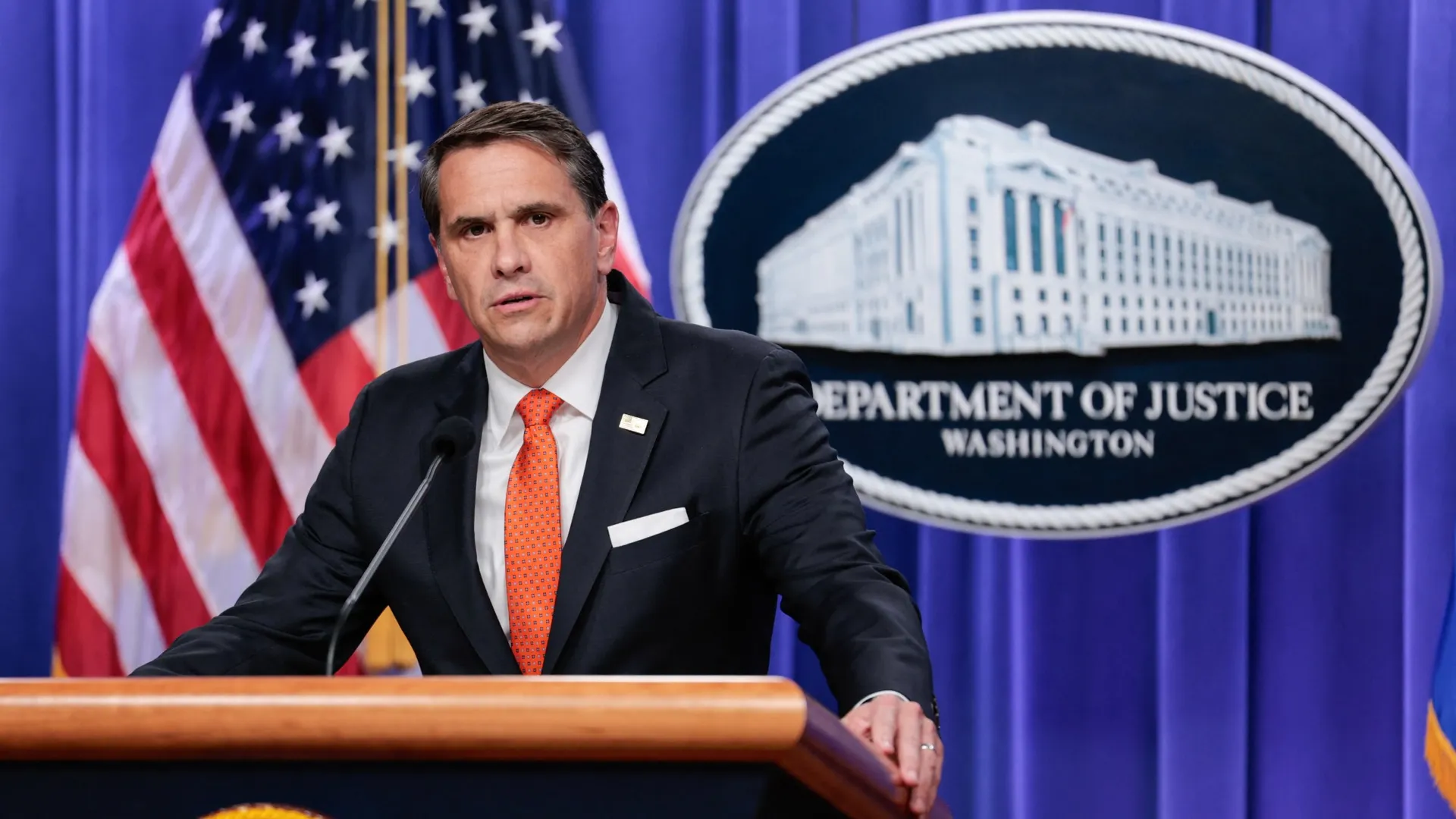 the explainerJustice Dept. launches largest-ever effort to strip citizenship