The Week The Week
flag of US
US
flag of UK
UK
https://cdn.mos.cms.futurecdn.net/flexiimages/jacafc5zvs1692883516.jpg

SUBSCRIBE & SAVE

Less than $3 per week

Sign in
  • View Profile
  • Sign out
  • The Explainer
  • The Week Recommends
  • Newsletters
  • Cartoons
  • From the Magazine
  • The Week Junior
  • Student Offers
  • More
    • Politics
    • World News
    • Business
    • Health
    • Science
    • Food & Drink
    • Travel
    • Culture
    • History
    • Personal Finance
    • Puzzles
    • Photos
    • The Blend
    • All Categories
  • Newsletter sign up Newsletter
  • The Week Evening Review
    South America’s right-wing shift, gene-edited dogs, and OpenAI’s divisive brand trip

     
    TODAY’S BIG QUESTION

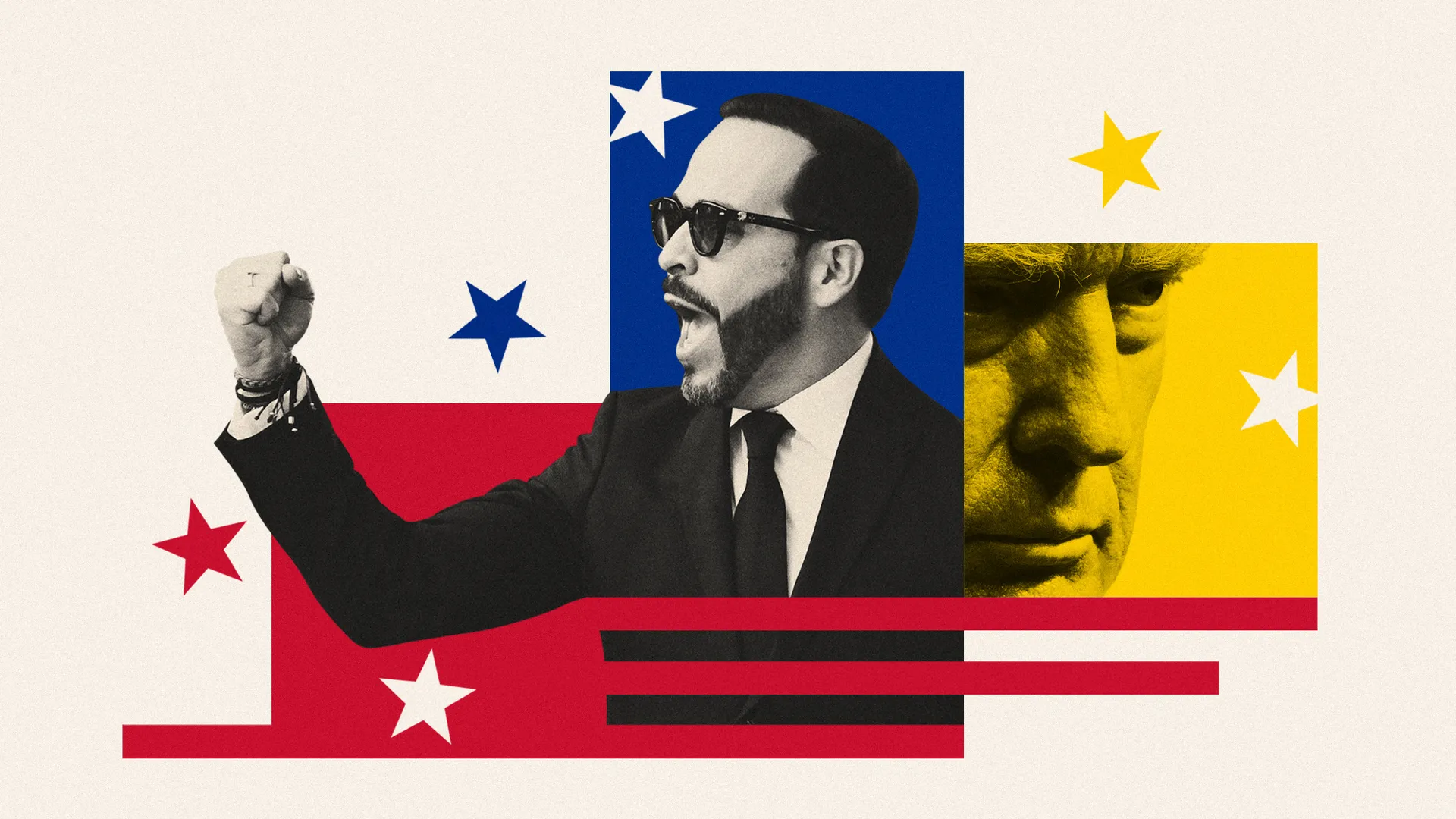
    How will de la Espriella push Colombia to the right?

    Colombia’s short-lived era of leftist leadership has ended, as Abelardo de la Espriella takes office as the nation’s 36th president. Unlike his predecessor, Gustavo Petro, de la Espriella hopes to shift the South American country to the right. He’s also dealing with a major natural disaster in his first days in office.

    What did the commentators say?
    De la Espriella represents a “sharp” turn from Petro, who “stopped awarding new oil and gas exploration contracts while pushing Colombia toward renewable energy,” said The Associated Press. The new president has instead pledged to “revive the country’s oil and gas sector, restore state-owned energy company Ecopetrol and strengthen the electricity system.” 

    Alongside this energy agenda, de la Espriella will also be making changes stemming from his stance on social issues, including crime and drug trafficking. He has “promised to confront rebel groups in Colombia with greater military force,” said NPR. De la Espriella also “campaigned on promises to crush his country’s powerful drug traffickers with the help of the United States” and in collaboration with the Trump administration, said The New York Times.

    Overall, de la Espriella is pushing the “entire region, especially South America, toward the right,” said Gimena Sanchez, of the nonprofit Washington Office on Latin America, said to PBS News. The new leader will be “feeling the pressure to make really big moves from the get-go, because there’s so much expectation from the U.S. that he’s going to be hard on narcotraffickers.” 

    The president is simultaneously contending with the aftermath of a 7.4-magnitude earthquake that struck western Colombia today. Officials in several major cities “reported dozens of injuries, people trapped inside collapsed buildings and serious damages,” said NBC News. 

    What next?
    The earthquake killed at least 82 people, with casualties expected to rise. In the first major check of his power, de la Espriella “declared a national disaster situation,” said BBC News.

    Alongside earthquake recovery, de la Espriella’s government is still focusing on anti-crime efforts. In another sign of a looming partnership, the U.S. pledged at least $1 billion in security assistance to Colombia soon after de la Espriella took office.


    QUOTE OF THE DAY

    ‘The idea that there’s a diversity of thought in America among everyday voting people is a fundamental fact of our country.’

    Rep. Alexandria Ocasio-Cortez (D-N.Y.), on ABC News’ “This Week,” on whether she believes the political agenda of the Democratic Socialists of America will “doom” Democrats. They should not be “worried about what somebody somewhere believes,” she added.


    the explainer

    Gene-edited dogs may prevent pet allergies

    If one company has its way, animal allergies could soon be a thing of the past. A biotech laboratory has developed gene-edited dogs that do not contain the allergy-causing proteins found in most pups, which they say marks a breakthrough in the pet industry. 

    How were these dogs created?
    Two beagles, Bailey and Alfie, were specifically bred with a “targeted genetic knockout” of Can f 1, the major allergy-causing protein in dogs, according to research published in The CRISPR Journal. Born in September 2024, the canines have shown “healthy growth and development,” said Kindred Companion Sciences, the company behind the research, in a press release.

    Breeds like poodles are often recommended for their hypoallergenic coats. But these dogs “still produce allergy-causing proteins that end up in their saliva, hair and dander, so they can still make people sniffly,” said The Associated Press. In the case of Bailey and Alfie, scientists at Kindred used the DNA-altering technology CRISPR to eliminate the Can f 1 protein entirely. Tests of the two dogs thus showed “no detectable protein compared to samples from nonedited dogs,” said Wired.

    How will this affect the pet industry?
    Experts believe it could open the door to a new wave of adoptable pets. Gene editing “can and should be applied to solving legitimate problems that humanity has,” said Fyodor Urnov, a gene editing expert at the University of California, Berkeley, to Wired. About 10% to 20% of the world’s population have pet allergies, according to the Asthma and Allergy Foundation of America.

    Questions remain as to the viability of the genetic changes. For one, Can f 1 “isn’t the only protein in dogs that can trigger allergic reactions — there are also so-called minor allergens,” said New Scientist. There are also concerns about the long-term health of these animals, although “so far both dogs appear normal.” 

    For some, the jury is still out. “It opens the door to a lot more people being able to own pets,” said New York University bioethicist Arthur Caplan to the AP. But on the “negative side, it may discourage people from trying to use strays and unwanted animals that are not engineered to be allergy-free.”


    Statistic of the day

    162 years: The age of a bottle of Guinness discovered by Belgian underwater photographer Stefan Panis “buried in a shipwreck off the coast of Dover” in the U.K., said the BBC. There’s a chance researchers could “recreate the taste of Guinness” as it was brewed in 1864 “using samples of the recovered stout.”


    in the spotlight

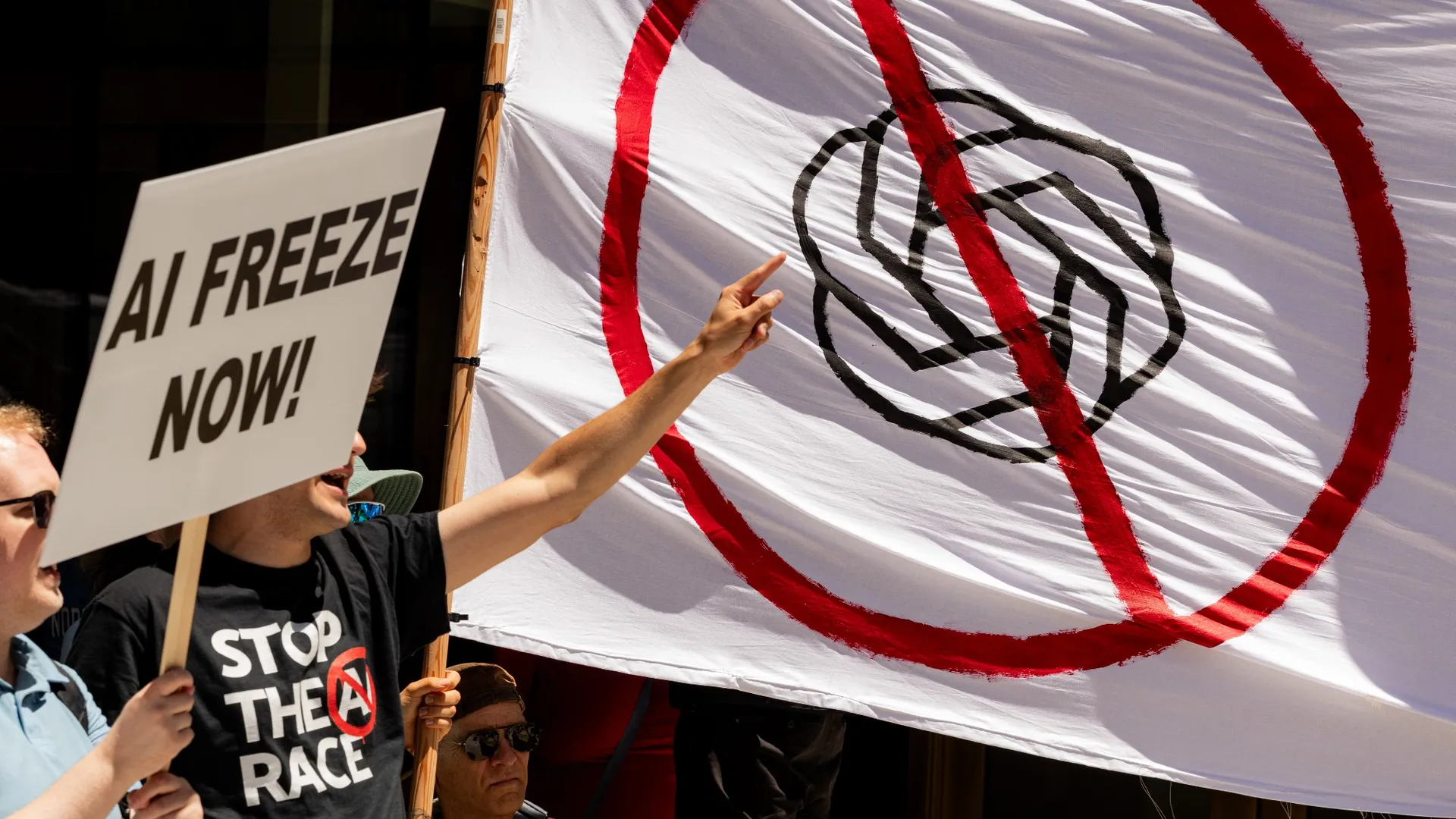
    OpenAI’s summer camp for influencers backfires

    Since videos of OpenAI’s first brand trip hosting business and tech influencers hit social media timelines, the backlash has been swift. Already facing scrutiny on multiple fronts, the company has likely seen any hope that this move would boost its reputation dashed.

    Missing the mark
    The high-end getaway, dubbed OpenAI Summer Camp, was held at Wildflower Farms, a “luxury resort in New York’s Hudson Valley,” where room rates can exceed $2,000 a night, said Business Insider. Creators were treated to an itinerary that included “lessons about OpenAI’s latest tools” and a “session with a beekeeper.”

    The weekend's “pastoral content” swiftly drew criticism across social media, said Business Insider. Critics questioned why a company associated with “several energy- and water-intensive data centers” was treating influencers at a “nature-focused resort.”

    As the influencers come under fire, OpenAI maintains that the content creators are an “important part of our community and how people get information and learn about our products today,” said company spokesperson Drew Pusateri to Fast Company. The lab welcomes “healthy debate as AI becomes more prevalent.”

    Why one company and not the others
    OpenAI is not the only AI lab that has “worked with influencers,” said TechCrunch. Anthropic reportedly held a brand dinner for its app Claude, and Microsoft hosted a Super Bowl brand trip for influencers, according to tech newsletter Sarah and Kate. But none of the other AI-led trips seem to have “struck as big of a nerve as this OpenAI brand trip.”

    A creator dinner with Claude does not “give me the same reaction as seeing a luxury resort for an OpenAI ChatGPT weekend,” said Meredith Lynch, a creator who covers politics and pop culture, to Inc. It felt like a “propaganda trip to take this technology that’s getting a lot of pushback and sanitize it through aesthetically beautiful content creation.” The problem is not the existence of an influencer trip but that the format “carries different implications” when used to “build trust in a technology facing criticism over job displacement and data centers’ energy and water use.”


    Good day 🌱

    … for being right. Scientists have proven that a “small innocent-looking flowering plant” is a “stone-cold killer” — something Charles Darwin “suspected over a century ago,” said the CBC. Saxifraga candelabrum, native to southwestern China, is a carnivorous plant that uses its “sticky little hairs to trap and devour unsuspecting insects,” according to findings published in the journal Nature Communications.


    Bad day 🦠

    … for protecting public health. Leprosy, also known as Hansen’s disease, is on the rise in Florida, and officials have pinpointed a possible source behind the spread of the rare 4,000-year-old bacterial infection. The spike in cases may be associated with “nine-banded armadillos,” which are “naturally infected with mycobacterium leprae,” the bacteria that causes leprosy. 


    Picture of the day

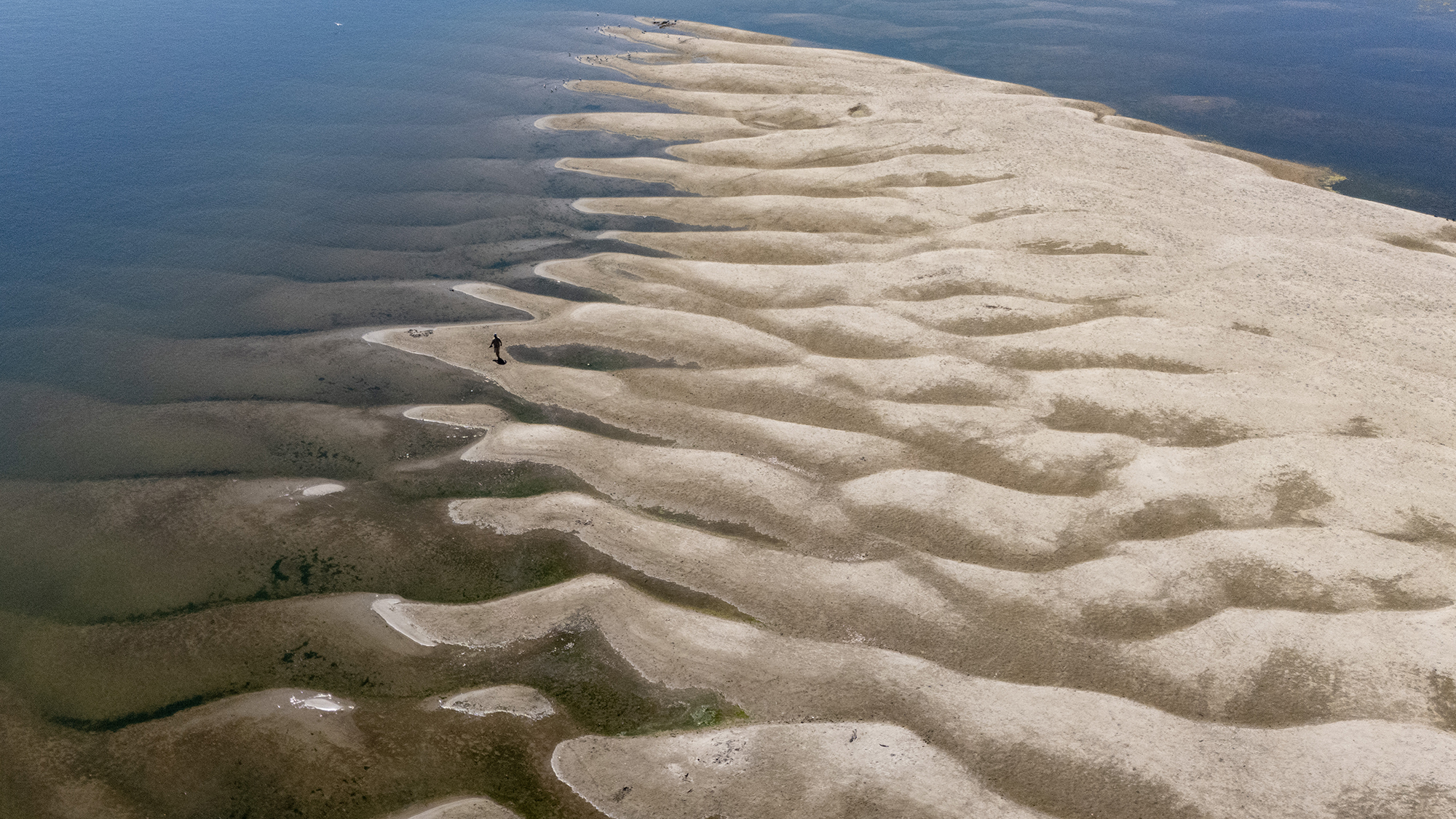
    Bone-dry

    A man walks on sandbanks exposed by the receding waters of the Danube in Batina, Croatia. The river’s “water levels have fallen as extreme heat” ravages Europe, said The New York Times, exposing “sunken German vessels from World War II” and “impeding navigation.”
    Marko Perkov / Getty Images


    Puzzles

    Daily sudoku

    Challenge yourself with The Week’s daily sudoku, part of our puzzles section, which also includes guess the number

    Play here


    The Week recommends

    The best movies of the 1990s

    The ’90s were a period of transition for the film industry, seeing the rise of both smaller, independent studios and the spectacular growth of home movie watching. Despite this tumult, the decade produced countless films of enduring artistic and commercial significance, including these memorable classics.

    ‘Big Night’ (1996)
    Tony Shalhoub and Stanley Tucci are brothers Primo and Secundo, immigrants operating a failing Jersey Shore restaurant during the 1950s. This film of “great wisdom and delight” is about “food not as a subject but as a language — the language by which one can speak to gods, can create, can seduce, can aspire to perfection,” said Roger Ebert at the time. (Paramount+)

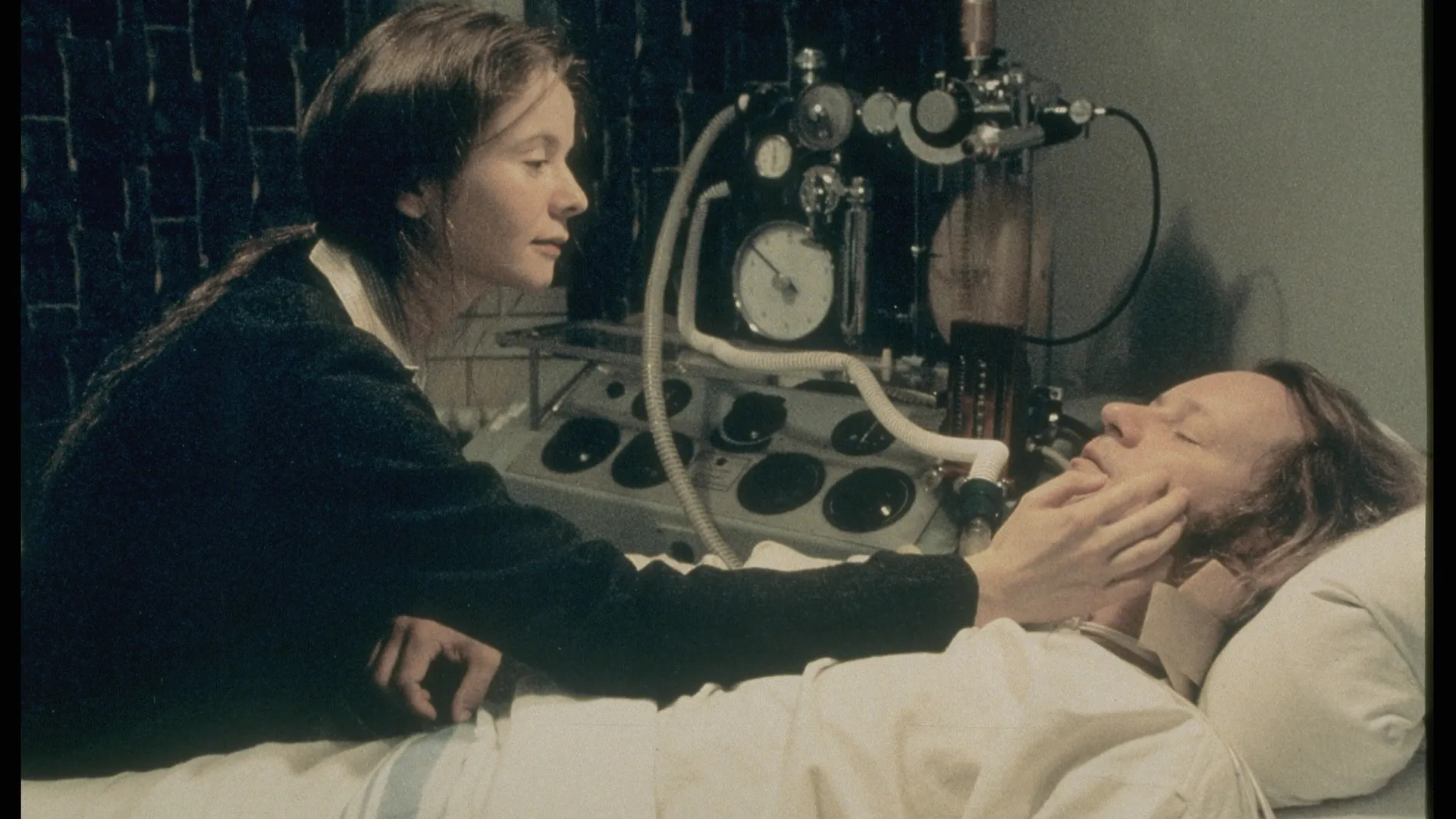
    ‘Breaking the Waves’ (1996)
    A film that was a kind of spiritual precursor to the aesthetically austere and hugely influential Dogme 95 film movement, Danish director Lars von Trier’s haunting masterpiece (pictured above) also shaped a generation of independent filmmakers. A “raw, crazy tour-de-force,” it dares to “fuse true love with lurid exploitation and pure religious faith,” said Janet Maslin at The New York Times. (Mubi)

    ‘The Matrix’ (1999)
    The brilliance of directors Lilly and Lana Wachowski’s “The Matrix” has been diluted over time by its inferior sequels and many imitators, but its inventively choreographed action sequences and dystopian narrative endure. It’s a movie of “immense scale and complexity” that “understood where things were headed far better than any film did at the time,” said Scott Tobias at The Guardian. (Peacock)

    Read more


    Poll watch

    More Americans are being impacted by extreme heat, with 50% facing a “major impact” or “minor impact” on their sleep due to extreme heat in the last year, according to an Associated Press / NORC Center for Public Affairs Research survey of 1,165 adults. This is an increase from 2024, when 39% said the same.


    INSTANT OPINION

    Today’s best commentary

    ‘Should an insurer or a doctor decide where your care takes place?’
    Edmund Pribitkin at The Philadelphia Inquirer
    “Every day, physicians, patients and the families who care for them make hundreds of decisions together about where and how care should be delivered,” says Edmund Pribitkin. “Increasingly, however, these collective judgments are being second-guessed and often overruled by large insurance companies through policies that prioritize administrative convenience and cost-shifting over clinical judgment.” Healthcare decisions “should be made by patients, their families and their care teams, not by insurance company policies.”

    ‘A “Free Palestine” T-shirt at a Holocaust memorial is no contradiction’
    Gideon Levy at Haaretz
    “Teenagers from an international anti-fascist youth camp visited Austria’s Mauthausen Concentration Camp Memorial last week,” and a “number of them wore T-shirts with slogans calling for the liberation of Palestine,” says Gideon Levy. The “notion that there’s no better place than the ruins of a concentration camp to fight for the liberation of 2 million human beings who are currently incarcerated in the Gaza Strip is beyond the grasp of Israelis.” The “call to free Palestine is not antisemitic.”

    ‘What should a 21st-century central bank look like?’
    Daniel Moss at Bloomberg
    Central banks have “done a sterling job in responding to swings in prices and employment, and severe gyrations in capital markets,” says Daniel Moss. Still, they “haven’t always gotten everything right.” Then there’s the “perceived overreach.” Politicians “might insist that they support central bank independence but now want to peel back what policymakers can do, how they can do it, and when they can do it.” The “case for freedom to implement policy has never been stronger.”


    WORD OF THE DAY

    olo

    A new color that describes the greenest green. Olo has been discovered in an experiment by a University of California computer scientist and professor of vision science and optometry who developed a technology to “see a color that had never been seen before,” said The New Yorker. No printer can print olo, and “no camera can photograph it.” 


    Evening Review was written and edited by Theara Coleman, Nadia Croes, David Faris, Scott Hocker, Anya Jaremko-Greenwold, and Justin Klawans, with illustrations by Stephen Kelly.

    Image credits, from top: Illustration by Stephen P. Kelly / Getty Images; Business Wire / AP Photo; Bloomberg / Contributor / Getty Images; Rolf Konow / Sygma / Getty Images
     

    Recent editions

    • Morning Report

      Trump gets his attorney general

    • Sunday Shortlist

      A sapphic slasher with soul

    • Saturday Wrap

      Learning to love the Left?

    VIEW ALL
    TheWeek
    • About Us
    • Contact Future's experts
    • Terms and Conditions
    • Privacy Policy
    • Cookie Policy
    • Advertise With Us
    • FAQ
    Add as a preferred source on Google Add as a preferred source on Google

    The Week is part of Future US Inc, an international media group and leading digital publisher. Visit our corporate site.

    © Future US, Inc. Full 7th Floor, 130 West 42nd Street, New York, NY 10036.