
Since it swept to power in 2014, little has stood in the way of India's ruling Bharatiya Janata Party (BJP), the party of Prime Minister Narendra Modi.
But West Bengal – India's fourth-most populous state – was a rare exception, said Nadim Asrar in Al Jazeera (Doha). Well over 25% of its some 105 million population is Muslim, and for the past 15 years its voters have spurned the Hindu nationalist BJP in favour of the centrist Trinamool Congress (TMC), whose leader, Mamata Banerjee, has sought to appeal to Muslims and Hindus alike.
The Week
Escape your echo chamber. Get the facts behind the news, plus analysis from multiple perspectives.

Sign up for The Week's Free Newsletters
Join more than 350,000 subscribers and keep yourself informed with a selection of The Week’s most interesting, enlightening and entertaining stories - plus daily puzzles.
Join more than 350,000 subscribers and keep yourself informed with a selection of The Week’s most interesting, enlightening and entertaining stories - plus daily puzzles.
Dislodging ‘Didi’
‘Ferrari and a bicycle’
-
-
 talking pointsLivestreaming an execution: cruelty or added deterrent?
 -
 QUOTE OF THE DAY‘You don’t get to take a man from his family. You don’t get to take his very life, his whole future from him, and just walk away from it. Especially when that man is Tupac Shakur.’
 -
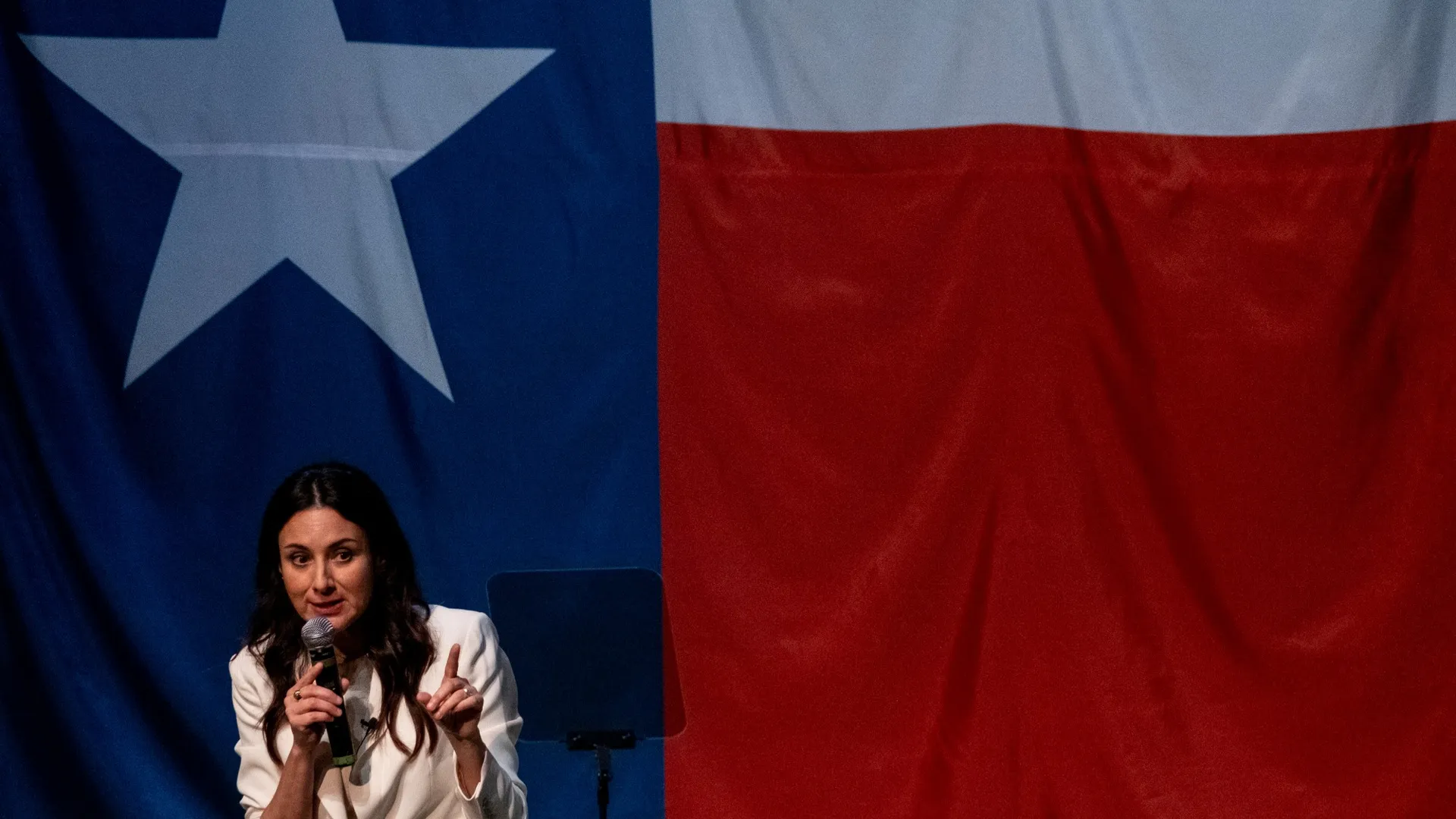 today’s big questionCan a Democrat win the Texas governor’s race?
-
-
-
talking pointsLivestreaming an execution: cruelty or added deterrent?
-
QUOTE OF THE DAY‘You don’t get to take a man from his family. You don’t get to take his very life, his whole future from him, and just walk away from it. Especially when that man is Tupac Shakur.’
-
today’s big questionCan a Democrat win the Texas governor’s race?
-