Sign up to get Today’s Best Articles in your inbox
Join 350,000+ subscribers and keep yourself informed with a selection of
The Week’s most interesting, enlightening and entertaining stories - plus daily puzzles.
You are now subscribed
Your newsletter sign-up was successful
Want to add more newsletters?
An account already exists for this email address, please log in.
What is China doing in Latin America?
Beijing offers itself as an alternative to US dominance
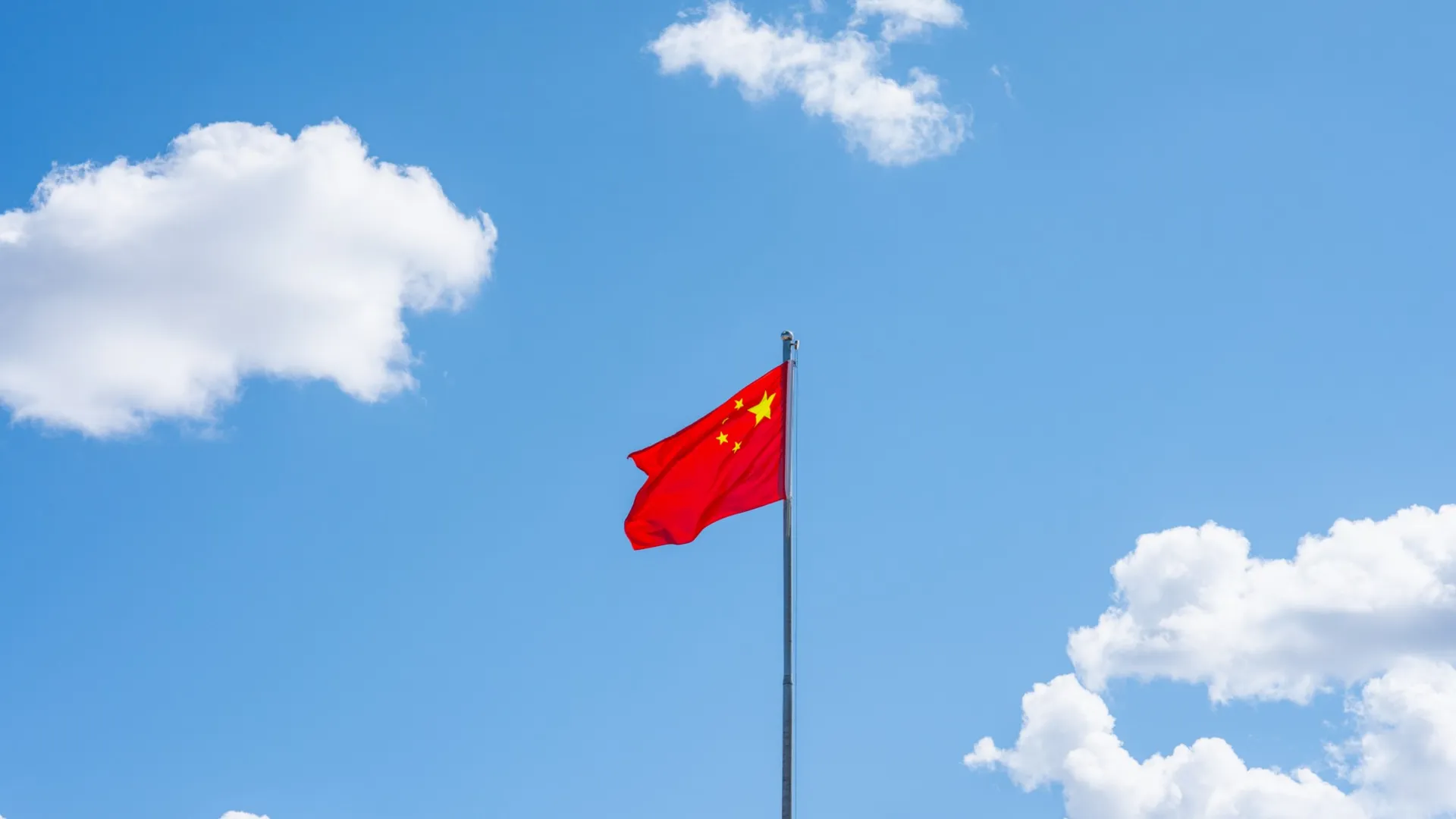
The United States intends to dominate Latin America. That is clear following the weekend’s operation to remove Venezuelan leader Nicolás Maduro from power. But the U.S. has competition. China is expanding its influence in the region, offering itself as an alternative to governments leery of American power.
China is Venezuela’s “largest creditor and biggest oil customer,” said The Wall Street Journal. That status is part of a larger push into Latin America, in which Beijing has “displaced the U.S. as the biggest trading partner” for a number of countries. The challenge to American regional preeminence is clear: A recent state television program depicted a “wargame simulation” showing Chinese confronting unnamed Western forces “around Cuba and Mexico.” The U.S.-China competition in the region has “only just begun,” said the Center for Strategic and International Studies in an analysis.
It is Beijing’s economic might that is taking center stage, however. China is ramping up imports of Latin American crops as it “pivots away from U.S. farmers” in the wake of Trump’s tariff hikes, said Investigate Midwest. Brazil has “stepped in as China’s biggest supplier of soybeans” while Chinese firms build “ports, railways, roads, bridges, metro lines” and more in places like Peru to cement the economic cooperation, said Henry Ziemer of the Center for Strategic and International Studies. “These are long-term projects.”
The Week
Escape your echo chamber. Get the facts behind the news, plus analysis from multiple perspectives.
Join more than 350,000 subscribers and keep yourself informed with a selection of The Week’s most interesting, enlightening and entertaining stories - plus daily puzzles.
Join more than 350,000 subscribers and keep yourself informed with a selection of The Week’s most interesting, enlightening and entertaining stories - plus daily puzzles.
China’sLatin America strategy is “alarming,” said Jianli Yang at the National Review. A new strategy paper from Beijing portrays China as a “champion of the Global South” in contrast to American “bullying,” but its intentions are not purely altruistic. China aims to “impose opportunity costs” on Washington by forcing the U.S. to “devote greater attention and resources to its own hemisphere” instead of Taiwan and the Indo-Pacific region. U.S. leaders must build a smart response or “risk strategic overextension.”
Washington’s “obsession” with China’s moves in Latin America is a “familiar hysteria,” Leon Hadar said at Asia Times. But Beijing’s activities may not “actually threaten core American interests” in the region. China’s trade with Latin America has “increased tenfold” over the last 20 years, but that reflects China’s “massive demand for agricultural goods and minerals.” That is basic economics, “not geopolitical conspiracy.”
President Donald Trump’s return to the White House has actually “reduced and reversed” China’s influence among Latin American countries, said Arturo McFields at The Hill. Beijing has lost sway over the Panama Canal, seen Peru draw closer to Taiwan, and had a diplomat expelled from Paraguay. In the political contest between global powers, then, the U.S. “seems to be one step ahead.”
What next?
Beijing’s Latin America strategy will be “significantly tested” by the Trump administration’s actions in Venezuela, said The South China Morning Post. The White House is “moving aggressively to roll back Chinese influence” in the Western Hemisphere. Some Latin American countries “may adopt a more cautious approach in managing their relations with Beijing when facing pressure from Washington,” said Zhao Minghao, the deputy director at Shanghai’s Center for American Studies, to the outlet.
Sign up to get Today’s Best Articles in your inbox
A free daily email with the day’s biggest news and analysis – and the best features from TheWeek.com
Joel Mathis is a writer with 30 years of newspaper and online journalism experience. His work also regularly appears in National Geographic and The Kansas City Star. His awards include best online commentary at the Online News Association and (twice) at the City and Regional Magazine Association.