Boris Johnson is 'desperate' to visit Ukraine, conservative leader says
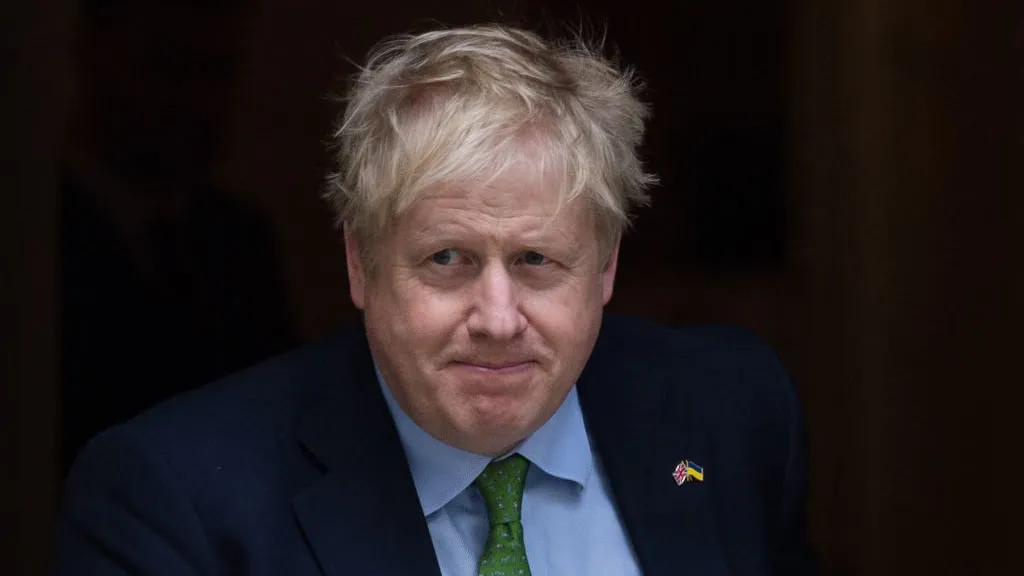
British Prime Minister Boris Johnson feels a "real emotional connection" with the people of Ukraine and is "desperate" to visit the country, Oliver Dowden, co-chairman of Britain's Conservative Party, said Monday night.
During an interview with LBC Radio, Dowden said all of Britain is experiencing "a real emotional connection with the suffering of the Ukrainian people and a need for the West to unite in standing up to this threat from Russia which has been exposed to Ukraine."
People close to the prime minister have said it's unlikely he will visit Ukraine, The Guardian reports, and Dowden was asked why Johnson would even consider traveling there amid the invasion.
The Week
Escape your echo chamber. Get the facts behind the news, plus analysis from multiple perspectives.
Sign up for The Week's Free Newsletters
From our morning news briefing to a weekly Good News Newsletter, get the best of The Week delivered directly to your inbox.
"Well, I think it's both to see what's going on the ground — because it's very different talking to somebody on the phone versus actually seeing it in practice," Dowden responded. "And by the way, I should say that no decisions have been taken in relation to this. But then secondly, it's actually to experience what is happening there, to see what is happening. To the people on the ground. I think that is very different to just speaking remotely."
A free daily email with the biggest news stories of the day – and the best features from TheWeek.com
Catherine Garcia has worked as a senior writer at The Week since 2014. Her writing and reporting have appeared in Entertainment Weekly, The New York Times, Wirecutter, NBC News and "The Book of Jezebel," among others. She's a graduate of the University of Redlands and the Columbia University Graduate School of Journalism.
-
Is Europe finally taking the war to Russia?Today's Big Question As Moscow’s drone buzzes and cyberattacks increase, European leaders are taking a more openly aggressive stance
-
How coupling up became cringeTalking Point For some younger women, going out with a man – or worse, marrying one – is distinctly uncool
-
The rapid-fire brilliance of Tom StoppardIn the Spotlight The 88-year-old was a playwright of dazzling wit and complex ideas
-
Is conscription the answer to Europe’s security woes?Today's Big Question How best to boost troop numbers to deal with Russian threat is ‘prompting fierce and soul-searching debates’
-
Trump peace deal: an offer Zelenskyy can’t refuse?Today’s Big Question ‘Unpalatable’ US plan may strengthen embattled Ukrainian president at home
-
The Baltic ‘bog belt’ plan to protect Europe from RussiaUnder the Radar Reviving lost wetland on Nato’s eastern flank would fuse ‘two European priorities that increasingly compete for attention and funding: defence and climate’
-
How should Nato respond to Putin’s incursions?Today’s big question Russia has breached Nato airspace regularly this month, and nations are primed to respond
-
What will bring Vladimir Putin to the negotiating table?Today’s Big Question With diplomatic efforts stalling, the US and EU turn again to sanctions as Russian drone strikes on Poland risk dramatically escalating conflict
-
The mission to demine UkraineThe Explainer An estimated quarter of the nation – an area the size of England – is contaminated with landmines and unexploded shells from the war
-
Ottawa Treaty: why are Russia's neighbours leaving anti-landmine agreement?Today's Big Question Ukraine to follow Poland, Finland, Lithuania, Latvia and Estonia as Nato looks to build a new ‘Iron Curtain' of millions of landmines
-
How drone warfare worksThe Explainer From Ukraine to Iran, it has become clear that unmanned aircraft are rapidly revolutionising modern warfare