Russian regulator warns media against posting new Zelensky interview
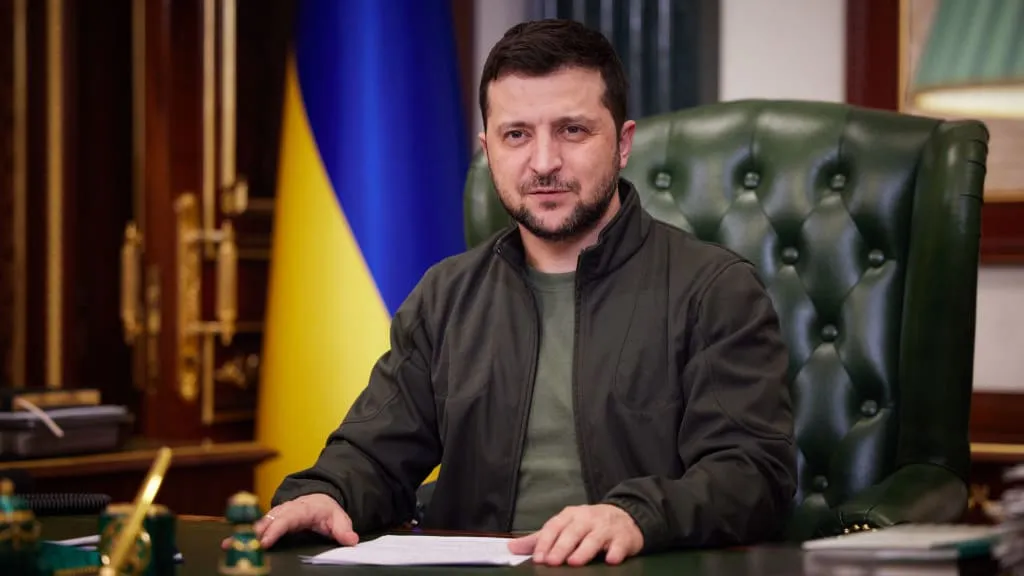
Roskomnadzor, Russia's communications regulator and Internet censor, is warning media outlets in the country not to publish a new interview between Ukrainian President Volodymyr Zelensky and several Russian journalists.
Roskomnadzor said it is already investigating the outlets that conducted the interview "to determine the extent of responsibility and the taking of measures of response," The Washington Post reports.
Zelensky shared the interview on his Telegram channel. He told the journalists that Russians need to "support the truth," and he wants to meet with Russian President Vladimir Putin in a neutral country so they can begin negotiating an end to the invasion of Ukraine.
The Week
Escape your echo chamber. Get the facts behind the news, plus analysis from multiple perspectives.
Sign up for The Week's Free Newsletters
From our morning news briefing to a weekly Good News Newsletter, get the best of The Week delivered directly to your inbox.
After Roskomnadzor delivered its warning, Zelensky responded, saying in a video that the threat "would be ridiculous if it wasn't so tragic. They themselves are afraid of a relatively short conversation with several journalists. Well, if there is such a reaction, then we are doing everything right, then they are nervous."
Earlier this month, Putin signed into law a measure that bans "fake news" about Russia's military. It prohibits people from referring to the conflict in Ukraine as an "invasion" or "war," and those found to violate the law could face 15 years in prison.
A free daily email with the biggest news stories of the day – and the best features from TheWeek.com
Catherine Garcia has worked as a senior writer at The Week since 2014. Her writing and reporting have appeared in Entertainment Weekly, The New York Times, Wirecutter, NBC News and "The Book of Jezebel," among others. She's a graduate of the University of Redlands and the Columbia University Graduate School of Journalism.
-
Ukraine, US and Russia: do rare trilateral talks mean peace is possible?Rush to meet signals potential agreement but scepticism of Russian motives remain
-
Syria’s Islamic State problemIn The Spotlight Fragile security in prison camps leads to escape of IS fighters
-
Quiz of The Week: 17 – 23 JanuaryQuiz Have you been paying attention to The Week’s news?
-
What is ‘Arctic Sentry’ and will it deter Russia and China?Today’s Big Question Nato considers joint operation and intelligence sharing in Arctic region, in face of Trump’s threats to seize Greenland for ‘protection’
-
New START: the final US-Russia nuclear treaty about to expireThe Explainer The last agreement between Washington and Moscow expires within weeks
-
What would a UK deployment to Ukraine look like?Today's Big Question Security agreement commits British and French forces in event of ceasefire
-
Would Europe defend Greenland from US aggression?Today’s Big Question ‘Mildness’ of EU pushback against Trump provocation ‘illustrates the bind Europe finds itself in’
-
Did Trump just end the US-Europe alliance?Today's Big Question New US national security policy drops ‘grenade’ on Europe and should serve as ‘the mother of all wake-up calls’
-
Is conscription the answer to Europe’s security woes?Today's Big Question How best to boost troop numbers to deal with Russian threat is ‘prompting fierce and soul-searching debates’
-
Trump peace deal: an offer Zelenskyy can’t refuse?Today’s Big Question ‘Unpalatable’ US plan may strengthen embattled Ukrainian president at home
-
Vladimir Putin’s ‘nuclear tsunami’ missileThe Explainer Russian president has boasted that there is no way to intercept the new weapon