How the quest for COVID-19 vaccine exemptions mirrors the Vietnam War draft

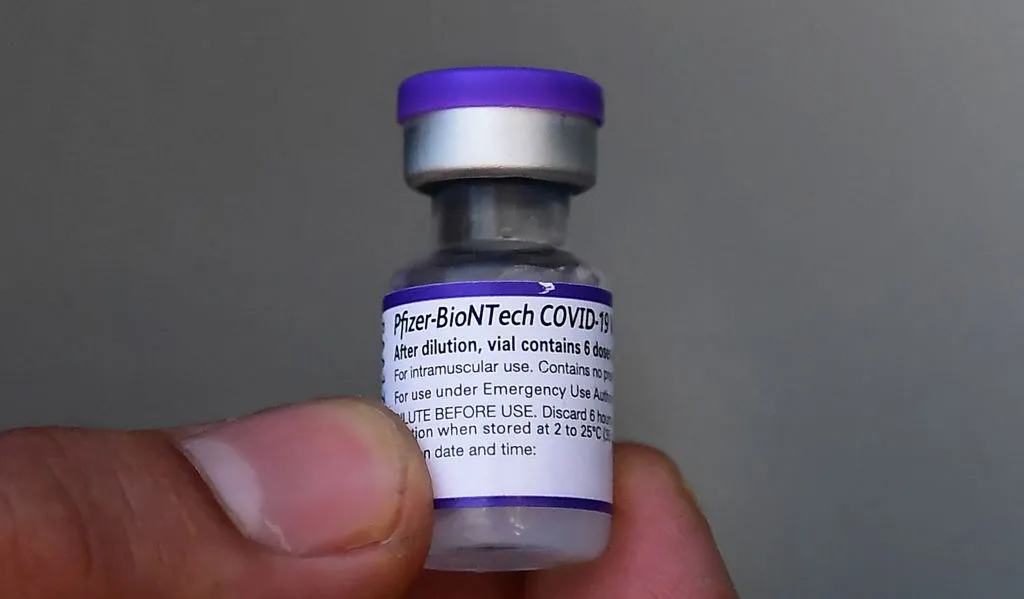
Last week, a Food and Drug Administration advisory panel voted on whether certain people should receive COVID-19 vaccine booster shots, ultimately landing on high-risk groups and people over the age of 65. On Wednesday, another advisory panel, this time for the Centers for Disease Control and Prevention, will gather to determine whom they think belongs to those at-risk groups. Arthur Caplan, a New York University bioethicist, writes in Stat News that a similar, albeit more localized, approach should be taken to determine who does not have to receive coronavirus vaccines, boosters or otherwise.
In his piece, Caplan compares the quest for vaccine exemptions to attempts to avoid the Vietnam War draft, noting the "uncanny" overlap in certain strategies, such as "sudden religiosity" — for example, back then, many people tried to join the Quakers or other anti-war faiths, although Caplan also notes that organized religion often didn't play as big a role as "individual claims of religious piety."
The Week
Escape your echo chamber. Get the facts behind the news, plus analysis from multiple perspectives.

Sign up for The Week's Free Newsletters
Join more than 350,000 subscribers and keep yourself informed with a selection of The Week’s most interesting, enlightening and entertaining stories - plus daily puzzles.
Join more than 350,000 subscribers and keep yourself informed with a selection of The Week’s most interesting, enlightening and entertaining stories - plus daily puzzles.